Master Coffee Cup Notes: Unlock 4 Core Flavor Elements
Understanding cup notes is like learning a secret language that unlocks the complex story behind every sip of specialty coffee.
Cup notes are much more than just descriptive words; they are a sensory roadmap of a coffee's terroir, processing methods, and roasting precision.
By mastering this vocabulary, you move beyond saying a coffee is "good" to specifically identifying its bright acidity, syrupy body, or delicate floral nuances.
* The Flavor Map: Learning to categorize tastes into profiles like fruit, nuts, or chocolate. * Sensory Synergy: Analyzing how acidity, sweetness, and body interact to create balance. * Professional Standards: Using the Specialty Coffee Association (SCA) protocols for evaluation. * Personal Refinement: Using flavor profiles to curate your own unique coffee preferences.

Why are cup notes more than just "flavor"?
When you drink coffee and think, "This is bright" or "This tastes nutty," you are experiencing a complex interaction between your taste buds and your olfactory system. Professional cup notes break this sensation down to explain the unique genetic traits and environmental factors of the bean.
For instance, a "jasmine" note in an Ethiopian Yirgacheffe is an artistic result of high altitude, specific soil chemistry, and a meticulous washed processing method. Conversely, a "roasted peanut" note from a Brazilian farm often signals lower acidity and a heavier, more comforting body.
Coffee profiles are rarely about a single note. It is the interplay between the intensity of acidity, the depth of sweetness, and the tactile sensation of the body that completes the profile. To truly appreciate this, you need to understand the specific terminology used in the specialty industry.

Breaking down the 4 pillars of coffee flavor
When I sat down to cup a rare Gesha variety last month, I realized that simply calling it "flowery" missed the point. It wasn't just flowers; it was the specific, elegant tension between bergamot citrus and jasmine. That level of detail is what makes specialty coffee so addictive.
According to the Specialty Coffee Association's 2025 analysis guidelines, high-quality light roasts often exhibit a 20–30% acidity range, which serves as a key indicator of the coffee's vibrant "brightness."
1. Acidity: The Brightness and Texture Acidity provides the "life" of the coffee. It isn't just "sourness"; you want to distinguish between a sharp, citric acidity (like a lemon) and a soft, malic acidity (like a ripe apple).
2. Sweetness: The Flavor Anchor Sweetness provides the balance. In specialty coffee, we rarely talk about "sugar" sweetness; instead, we look for complex profiles like caramel, dark chocolate, or the natural sugars found in stone fruits.
3. Body & Mouthfeel: The Tactile Experience Taste isn't just about the tongue; it's about how the liquid feels in your mouth. This can range from a light, tea-like consistency to a heavy, syrupy, or creamy texture.
4. Aftertaste: The Lingering Finish This is the flavor that remains after you swallow. A high-scoring specialty coffee is characterized by a "clean finish," meaning the flavors linger pleasantly without leaving a bitter or astringent film.
| Category | Common Descriptors | Sensory Experience |
|---|---|---|
| Fruity | Citrus, Berry, Stone fruit | Bright acidity and refreshment |
| Floral | Jasmine, Rose, Lavender | Elegant and aromatic |
| Sweet | Caramel, Chocolate, Brown sugar | Smooth balance and weight |
| Nutty/Grainy | Roasted almond, Hazelnut, Oat | Nutty richness and stable body |
How to taste coffee like a pro: A 5-step protocol
To analyze coffee objectively, professionals use a standardized method. You can actually replicate this "cupping" process at home to sharpen your palate.
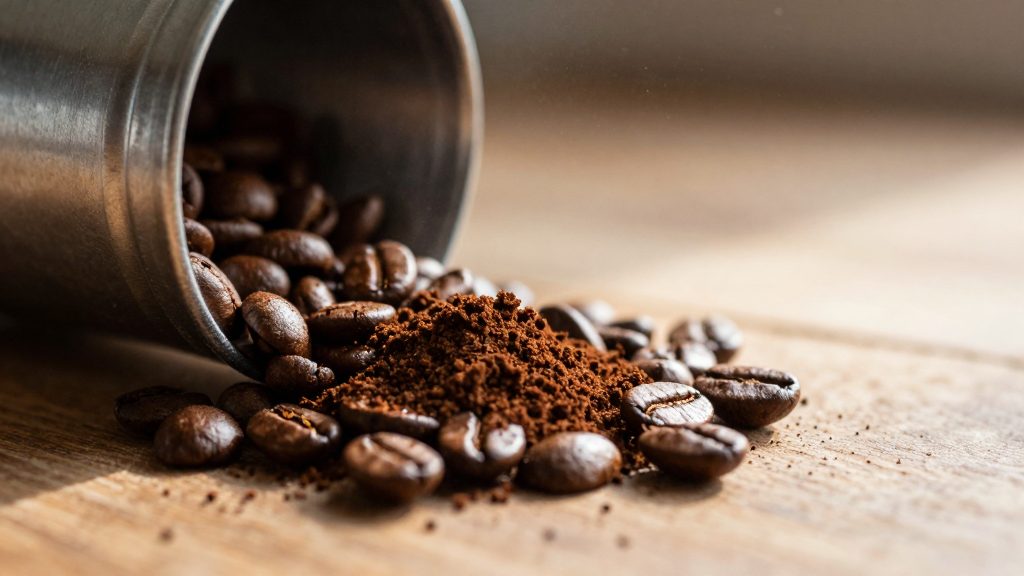
- Dry Fragrance Assessment: Grind your fresh beans and inhale the dry grounds. This helps you identify the primary scent profiles, such as floral or nutty, before water is even added.
- Wet Aroma Assessment: Pour hot water (ideally between 176–185°F) over the grounds. As steam rises, evaluate how the scent evolves as volatile compounds are released.
- The Slurping Technique: Use a deep spoon to loudly slurp the coffee into your mouth. This aerates the liquid, spreading it across every taste bud and the back of your palate simultaneously.
- Flavor Identification: Categorize what you taste. Is it fruity (citrus/berry), sweet (caramel/chocolate), floral (jasmine), or nutty?
- Aftertaste Analysis: Observe the "finish." How long does the flavor stay with you, and is the sensation clean or muddy?

The limits of tasting and the importance of preference
It is important to remember that cup note analysis has limitations. Everyone's olfactory sensitivity is different, meaning two people might describe the same bean differently. Furthermore, external variables like water hardness or brewing temperature can drastically alter the perceived notes.
For example, if you exceed the standard brewing temperature of 85°C (185°F), you might drown out those delicate floral notes in favor of unpleasant bitterness. Therefore, think of cup notes as a guide to a bean's "potential" rather than an absolute truth.



Comments 0