Avoid Stale Coffee: Implement These 5 Storage Steps Now
"I bought these expensive beans just last week, so why does my morning brew taste like cardboard?"
If you've ever asked yourself that, the problem isn't your brewer—it's your storage. To keep your coffee tasting like a high-end cafe rather than stale pantry dust, you must shield it from the "four enemies": oxygen, light, humidity, and temperature.
* Oxygen is the enemy: Use vacuum-sealed or airtight containers to slow down oxidation. * Climate control is key: Aim for a cool, dry space between 59–77°F (15–25°C). * Block the light: Always use opaque containers to prevent UV rays from degrading coffee oils. * Stay whole: Keep your beans in whole-bean form and only grind them immediately before brewing.

What are the "Four Enemies" destroying your coffee?
Coffee beans are complex organic compounds. The aromatic profiles created during roasting are incredibly volatile; the moment they are exposed to the environment, they begin to break down.
First, oxygen triggers oxidation. This process turns bright, acidic notes into flat, bitter, or "stale" flavors. Once you grind your beans, the surface area increases exponentially, causing oxidation to happen dozens of times faster.
Second, humidity is a major threat. Coffee is hygroscopic, meaning it actively absorbs moisture from the air. High humidity can change the internal structure of the bean, potentially leading to mold growth and a diluted flavor profile.
Third, light (UV rays) accelerates the chemical breakdown of the delicate oils within the bean. Storing your beans in a clear glass jar on a sunny kitchen counter is essentially a death sentence for their flavor.
Finally, temperature dictates the speed of chemical reactions. High heat accelerates degradation. I learned this the hard way last month when I stored a bag of Ethiopian Yirgacheffe near my toaster; within just seven days, that vibrant floral aroma had completely vanished.
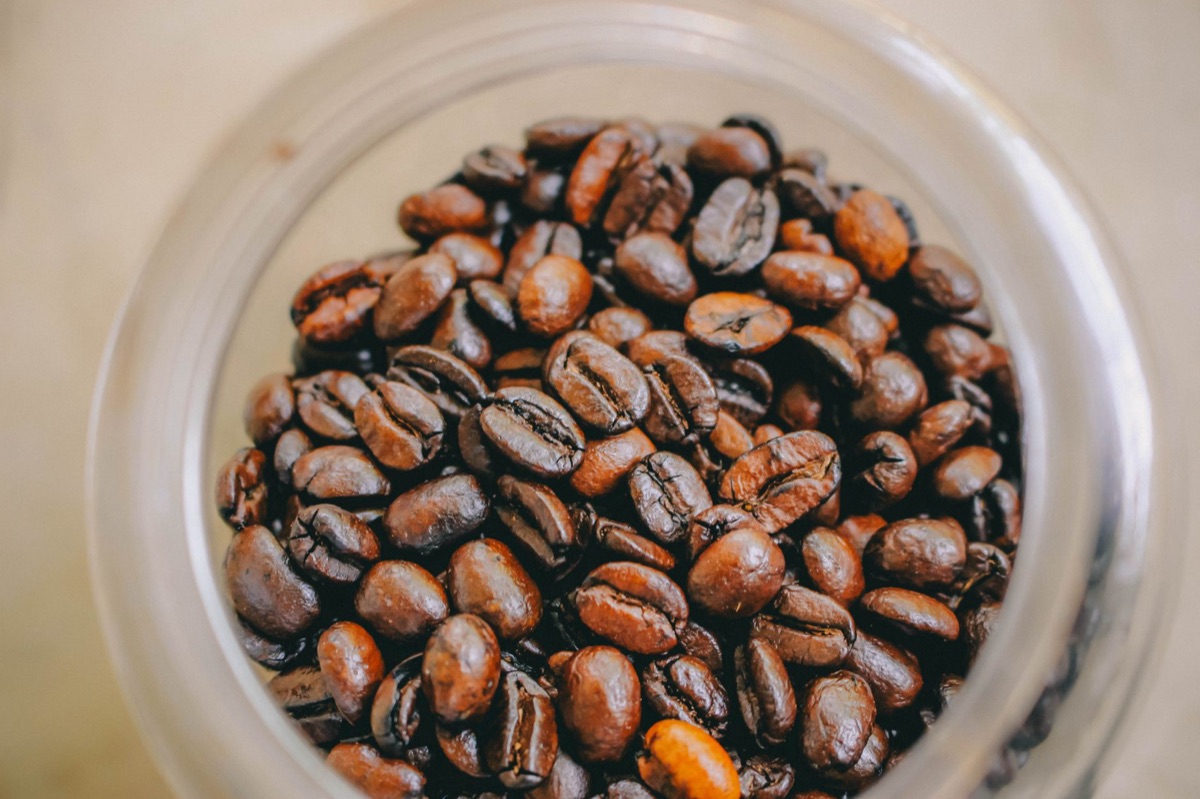
Storage strategies for different coffee types
Not all coffee should be treated the same. Your strategy should depend on whether you are dealing with whole beans or pre-ground coffee.
According to the Specialty Coffee Association's (SCA) general guidelines on freshness, coffee typically hits its peak flavor window about 2 to 4 weeks after roasting before oxidation begins to dominate.
| Coffee State | Recommended Storage | Expected Peak Window | Key Caution |
|---|---|---|---|
| Whole Bean | Opaque, airtight/vacuum container | 2–4 weeks (Peak) | Keep away from light |
| Ground Coffee | Small, airtight portions | 1–2 weeks | Rapid oxidation risk |
| Cold Brew Blend | Vacuum-sealed container | ~2 weeks | Prevent moisture ingress |
For high-scoring specialty coffees (those rated 80+ points), the stakes are even higher. These beans often have delicate nuances like jasmine or stone fruit that disappear almost instantly if the environment isn't strictly controlled.
A 5-step guide to professional-grade storage
If you want to level up your home barista game, don't just "close the bag." Follow this systematic approach to ensure every cup is as fresh as the first.
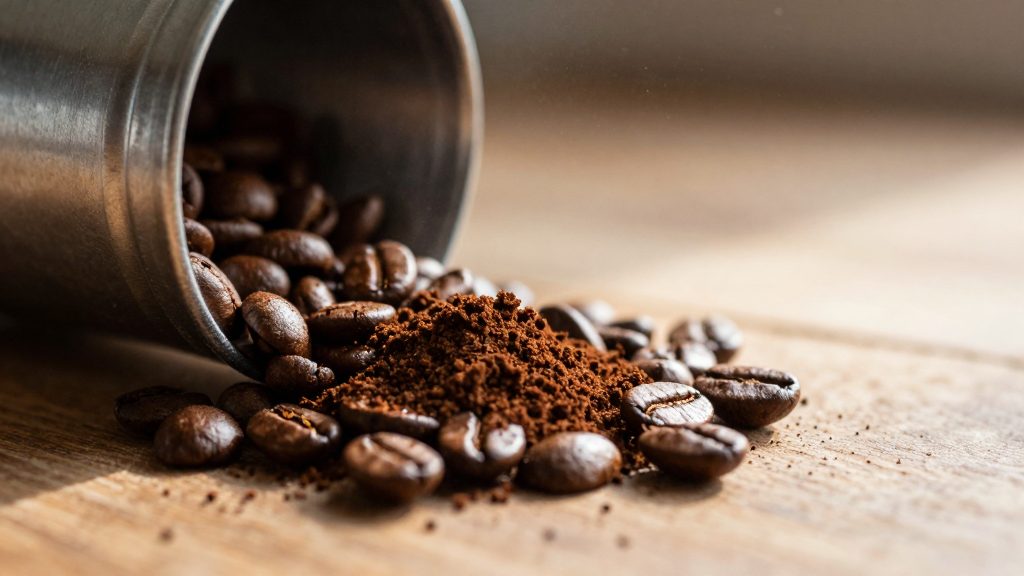
- Select an Opaque, Airtight Container: Opt for ceramic, stainless steel, or dark-tinted glass. Avoid clear glass, as UV light is a silent flavor killer. 2. Control the Environment: Find a "dead zone" in your kitchen—somewhere cool, dry, and far from heat sources like ovens, stoves, or even the top of the refrigerator. 3. Minimize Air Exposure: Every time you open a large bag, you let in fresh oxygen. If you buy large quantities, divide them into smaller, single-use containers to minimize "air time."
- Avoid the Fridge (Unless Specialized): A standard refrigerator is a nightmare for coffee due to high humidity and the tendency to absorb food odors. Only use the freezer if the beans are professionally vacuum-sealed to prevent moisture and smell contamination. 5. Grind Just Before Brewing: This is the golden rule. Keep your beans whole for as long as possible and only grind the exact amount you need right before you start your extraction.
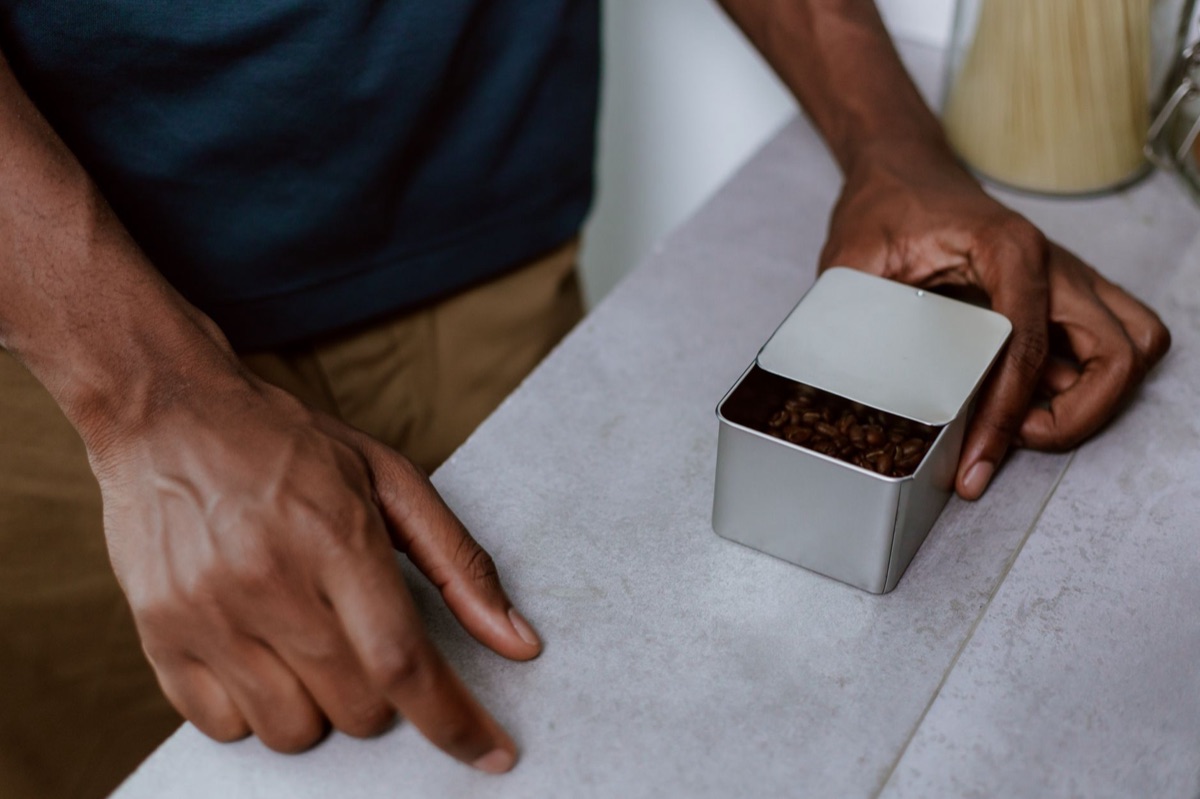
Vacuum vs. Airtight: Which container wins?
When shopping for gear, you'll often see a choice between "airtight" and "vacuum" containers. It's a subtle but crucial distinction for long-term freshness.
An airtight container simply creates a barrier that prevents new air from entering. However, it doesn't address the oxygen that is already trapped inside the container when you seal it.
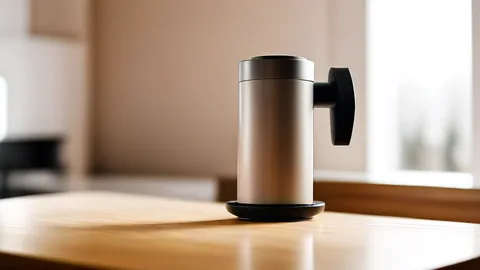
A vacuum container, on the other hand, actively removes the air from the vessel. By lowering the oxygen concentration, you physically slow down the oxidation process.
If you are investing in high-quality beans, the extra cost of a vacuum-sealed container is well worth the preservation of those expensive flavor profiles.

Comments 0