Top 10 Coffee Producers: Peru's Specialty Beans Shine Bright
High-altitude magic meets chocolatey depth in every sip of premium Peruvian beans.
Peruvian coffee is a premium specialty product characterized by a clean, bright acidity and a heavy, chocolate-like body. Grown primarily at altitudes between 1,200 and 2,000 meters, these beans undergo traditional washed processing to maximize their pure, sophisticated flavor profiles.
* High-Altitude Density: The cool climate at 1,200–2,000m creates dense, high-quality beans. * Varietal Heritage: Historical Arabica varieties like Typica and Bourbon define the region's character. * Flavor Profile: Expect a harmonious blend of citrus brightness, dark chocolate sweetness, and nutty undertones. * Global Standing: Peru remains a powerhouse in the global market, consistently ranking as a top producer.

What Makes the Peruvian Terroir So Unique?
The flavor of coffee isn't just about the seed; it's about the "terroir"—the perfect marriage of soil, climate, and altitude. Peru possesses one of the most powerful terroir profiles in the coffee world.
The rugged landscape of the Andes Mountains meeting the humid air of the Amazon Basin creates microclimates found nowhere else on Earth. This unique geography provides the ideal environment for coffee cherries to ripen slowly, concentrating their sugars.
I remember visiting a high-altitude farm in the Andes last season. At about 1,800 meters, the air was crisp and thin, and you could practically feel the density of the beans just by being there.
The intense daytime sun followed by sharp nighttime temperature drops forces the cherries to mature at a snail's pace, resulting in incredible complexity.
This slow maturation ensures the acidity is smooth rather than sharp. According to the International Coffee Organization (2025), Peru consistently maintains its position within the top 10 coffee-producing nations globally, proving both its production stability and high quality.
Which Varieties Define the Peruvian Taste?
To truly appreciate Peruvian coffee, you have to look at the genetic heritage of the beans. Peru is a sanctuary for traditional Arabica varieties that offer unmatched elegance.
While Typica and Bourbon are the legends of the region, they are often harder to farm and produce lower yields. However, they are the gold standard for clean acidity and floral nuances. Recently, farmers have also embraced Caturra to balance high-quality flavor with better productivity.
| Variety | Primary Characteristics | Typical Cup Notes | Cultivation Difficulty |
|---|---|---|---|
| Typica | Clean acidity, elegant aroma | Citrus, Floral | High |
| Bourbon | High sweetness, complex body | Chocolate, Caramel | Moderate |
| Caturra | High yield, well-balanced | Nutty, Mellow acidity | Low |
While each variety offers a different "vibe," they all share a common goal: achieving that signature Peruvian "balanced sweetness" that makes them so easy to drink.
How is the Flavor Refined Through Processing?
Great beans are only half the battle; the processing method determines how those flavors are expressed. Peruvian farmers use precise techniques to ensure their hard work isn't lost.
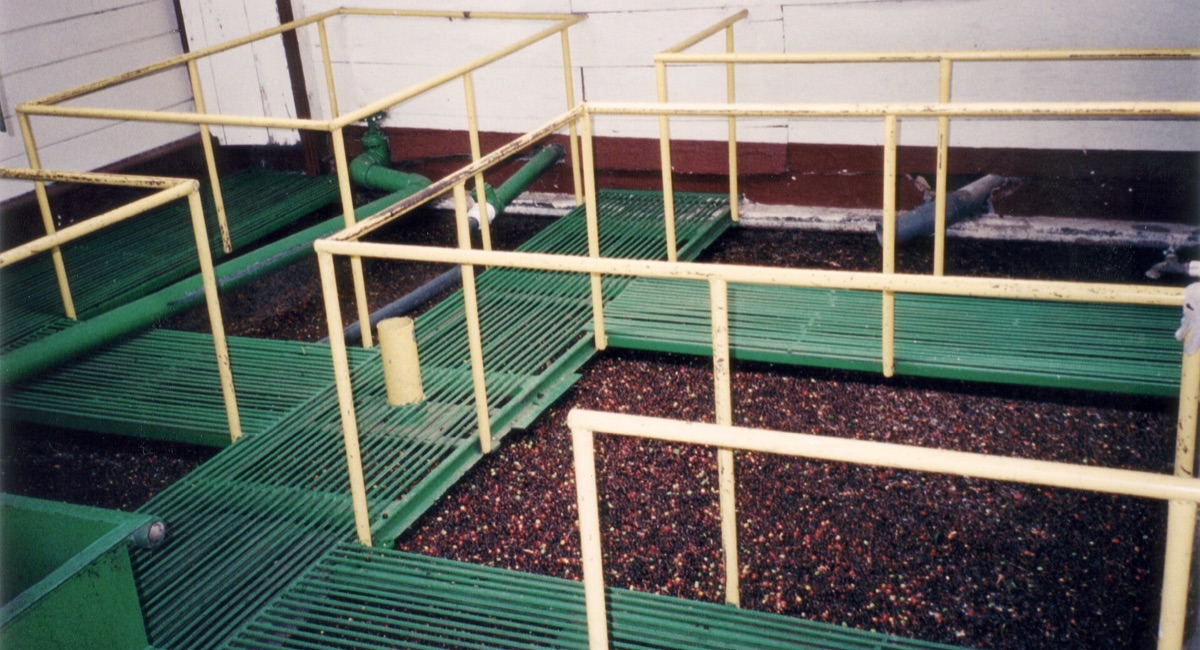
The most essential method is "Washed" processing. By removing the fruit and thoroughly washing the beans, farmers highlight the bright, clean acidity that Peru is famous for. It minimizes "muddy" flavors and lets the true terroir shine through.
Lately, as the specialty market grows, we've seen more "Honey" processing appearing. This method sits between washed and natural, offering a beautiful middle ground between acidity and body.
Here is the standard step-by-step journey from cherry to export:
- Microclimate Assessment: Analyzing the altitude (target 1,200–2,000m) to predict the flavor profile. 2. Varietal Selection: Choosing the right Arabica (like Typica or Caturra) for the specific soil. 3. Precision Harvesting: Hand-picking only the ripest cherries to ensure maximum sugar content. 4. Standardized Processing: Applying washed or honey methods to stabilize acidity and body. 5. Controlled Drying: Using precise environments to reach optimal moisture levels before shipping.
Peru's Role in the Global Specialty Market
Peruvian coffee is much more than a commodity; it is a cornerstone of the global supply chain. According to reports from the Food and Agriculture Organization of the United Nations (FAO, 2025), the coffee industry is a vital driver for rural income and economic development across Peru.
We are seeing a massive shift in how the world views these beans. While Peru was once seen primarily as a high-volume commercial supplier, it has pivoted hard into the "Specialty Coffee" sector. Roasters are now hunting for single-estate beans from specific high-altitude microclimates.
However, the industry does face challenges. Climate change is a real concern for high-altitude farming. That said, the adoption of sustainable farming practices and the use of diverse microclimates are helping the Peruvian coffee future look incredibly bright.




Comments 0