5 Steps to Cut Caffeine While Keeping Coffee Flavor
Love the ritual of a morning brew but hate the mid-day jitters? You can keep the complex flavors you crave while significantly lowering your caffeine intake through smarter beverage choices.
Navigating caffeine consumption doesn't mean giving up your favorite drinks; it's about choosing smarter alternatives like high-quality decaf, matcha, or herbal infusions.
By understanding how different beverages affect your nervous system, you can maintain focus without the anxiety or sleep disruption.
* Smart Decaf: Modern decaffeination processes retain about 97% of a coffee's original flavor profile. * Stable Energy: Tea-based drinks like matcha contain L-theanine to prevent the "caffeine crash." * Zero Caffeine: Herbal infusions (tisanes) are naturally caffeine-free and perfect for evening relaxation. * Gradual Transition: A step-by-step reduction is more effective than quitting cold turkey to avoid headaches.
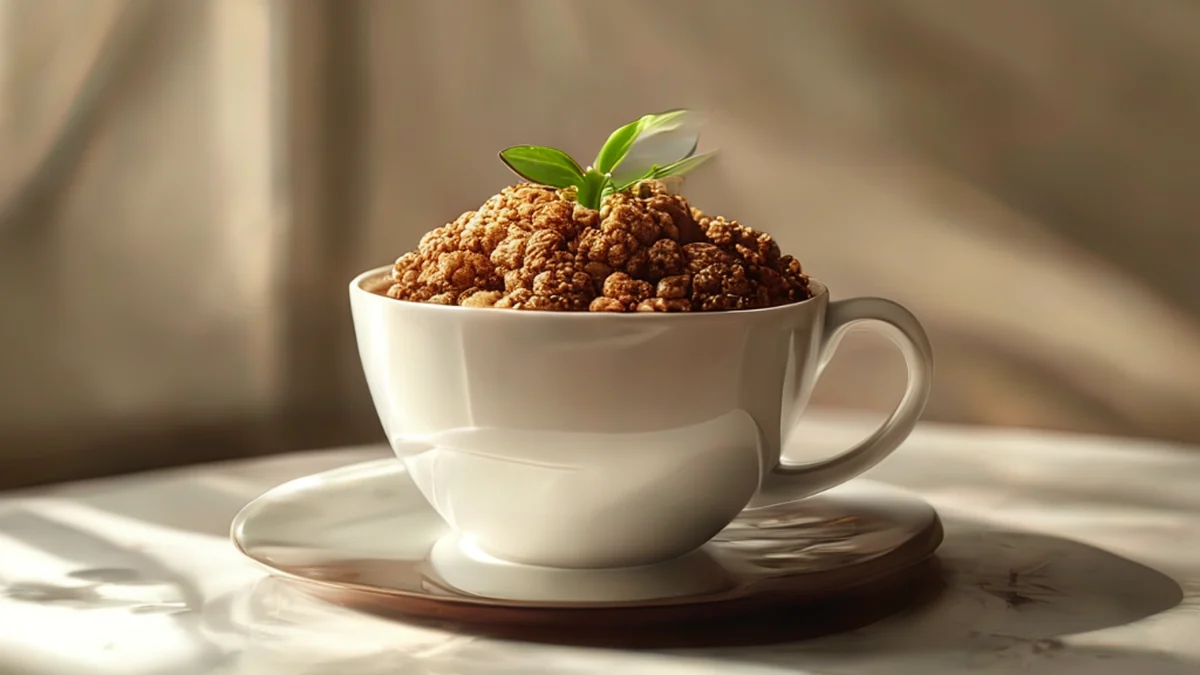
Why are we all looking for caffeine alternatives?
For most of us, coffee is more than just a drink; it's a morning ritual and a cultural cornerstone. However, that ritual often comes with a physiological cost that conflicts with our modern wellness goals.
Many people reach for a third cup of coffee to boost productivity, only to find themselves dealing with heart palpitations or restless nights. According to the FDA's current guidelines, healthy adults should aim to limit caffeine intake to about 400mg per day.
While that sounds like a lot, it's incredibly easy to overshoot this number when you factor in espresso, cold brews, energy drinks, and even dark chocolate.
In fact, as of 2026, the trend toward "functional beverages" has seen a massive surge as consumers prioritize sustained focus over jittery energy.
I remember a time, specifically during a high-stress project in early 2025, when I couldn't start my workday without a large, high-caffeine latte. By 2:00 PM, I would feel a massive energy slump and a sense of "wired but tired" anxiety.
Lately, I've been experimenting with functional beverages to see if I can achieve that same mental clarity without the physical toll. The rising popularity of this market reflects a shift: people want beverages that support emotional stability.
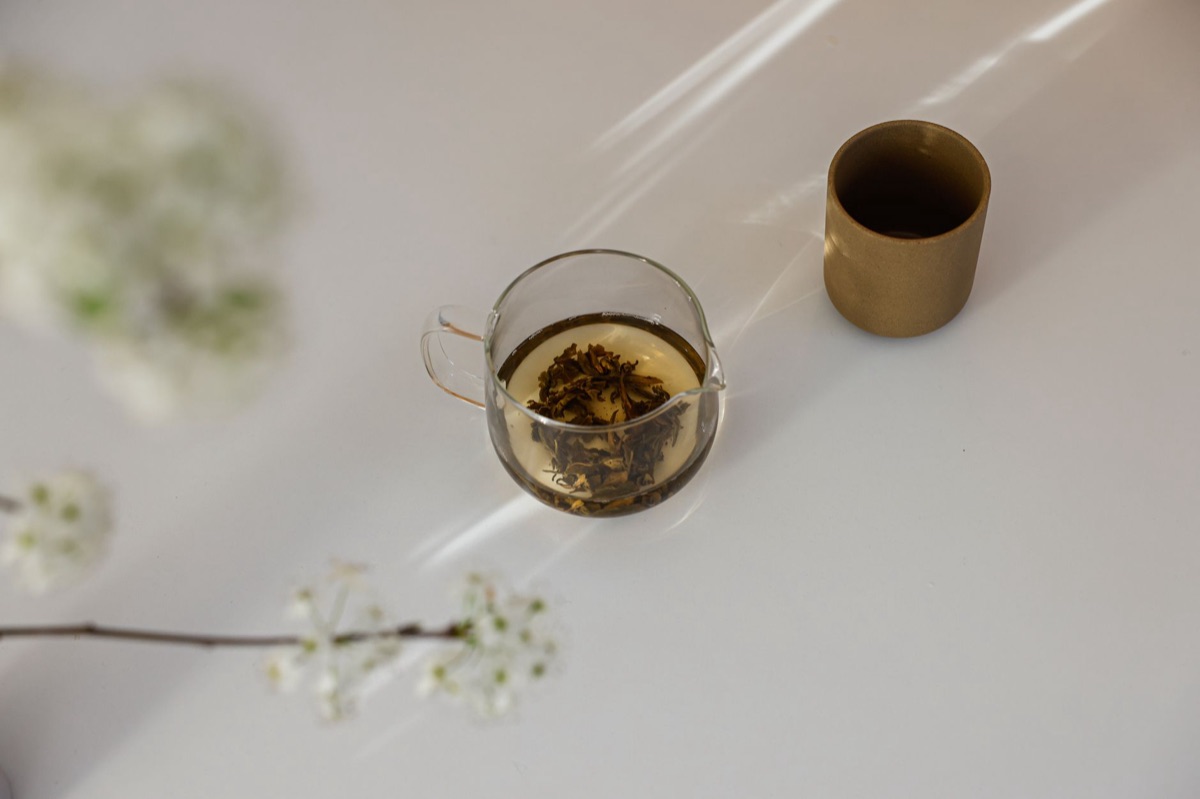
What are the best alternatives based on your sensitivity?
Not everyone reacts to caffeine the same way. Your "target" beverage should depend on whether you are sensitive to the taste, the energy spike, or the sleep disruption.
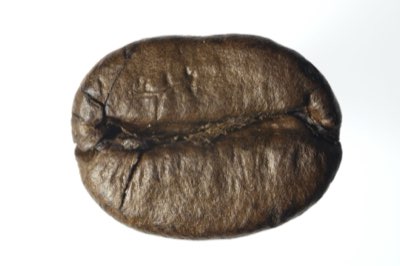
1. If you crave the coffee ritual: Decaf Coffee If you live for the acidity and body of a specialty roast, decaf is your best friend. Thanks to advanced processing methods, high-quality decaf beans retain nearly 97% of their original flavor. You can still enjoy a single-origin Ethiopian roast without the heavy stimulant load.
2. If you want steady focus: Tea-based beverages If the "caffeine crash" is your main enemy, look toward matcha. Unlike the jagged spike of coffee, matcha contains L-theanine, an amino acid that promotes relaxation without drowsiness. This helps the caffeine absorb more steadily, providing a "calm alertness."
3. If you need to wind down: Herbal Infusions (Tisanes) For a true zero-caffeine experience, especially in the evening, herbal infusions are the gold standard. Options like Rooibos or Chamomile are naturally free of caffeine and offer complex flavor profiles.
| Beverage Category | Primary Benefit | Key Component | Best Time of Day | Caffeine Level |
|---|---|---|---|---|
| Decaf Coffee | Maintains coffee ritual | Low caffeine content | Morning / Afternoon | Very Low |
| Matcha / Tea | Sustained energy | L-theanine | Focus sessions | Low to Medium |
| Herbal Infusion | Total relaxation | Plant-based botanicals | Evening / Night | Zero (0mg) |
How to reduce caffeine without the headache: A 5-step guide
Abruptly stopping caffeine can trigger withdrawal symptoms like headaches and irritability. I've found that a phased approach works much better for long-term success.
- Identify your triggers: Keep a quick log for three days. Note if you feel anxiety, heart palpitations, or sleep issues after specific drinks.
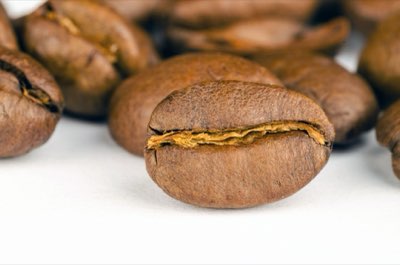
- Swap the beans first: If you love the taste of coffee, switch your standard beans to a high-quality decaf. This keeps the ritual intact while lowering the dose.
- Introduce tea transitions: Gradually replace one coffee per day with a tea like Rooibos or a light green tea to diversify your palate.
- Use functional boosters: When you really need a boost, opt for beverages containing adaptogens or L-theanine to ensure the energy lift is stable.
- Track cumulative intake: Remember that caffeine hides in sodas and chocolate. Monitor your total daily intake to ensure you stay within healthy boundaries.
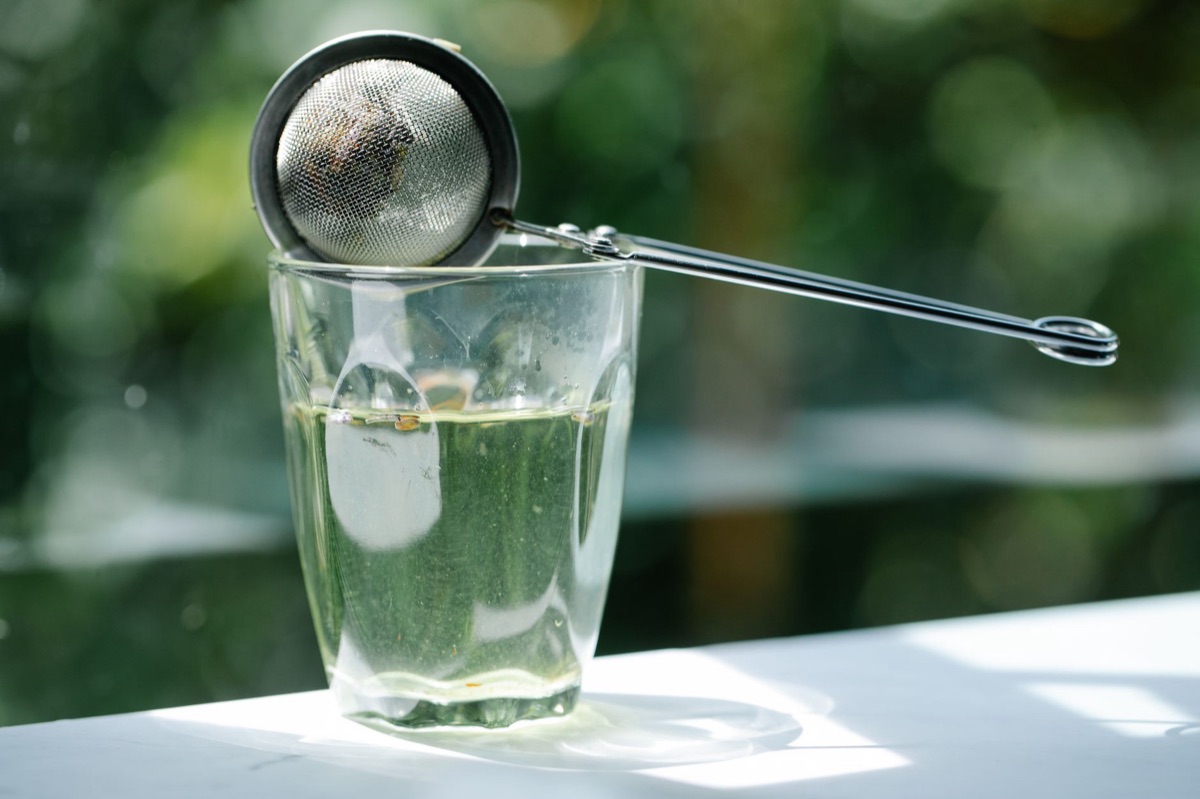
Are there any limitations to consider?
It is important to be realistic: no alternative is a "magic bullet." For instance, even decaf coffee contains trace amounts of caffeine, which might still affect extremely sensitive individuals.
Additionally, while herbal infusions are great for relaxation, they won't provide the "kick" you might be looking for during a high-pressure work afternoon. Finding the right balance between your sensory preferences and your body's physiological needs is a personal journey.
Comments 0