Arabica vs Robusta: 2 Coffee Beans Compared for Your Brew
Choosing the right bean is the secret to transforming a morning caffeine fix into a gourmet ritual.
The fundamental difference between coffee profiles lies in whether you choose Arabica or Robusta beans. If you crave bright acidity and complex floral notes, Arabica is your gold standard; if you want a heavy body and a massive caffeine kick, Robusta is the powerhouse you need.
* Arabica: Dominates about 60% to 70% of global production, offering sophisticated acidity and sweetness. * Robusta: Packs a punch with 2.2% to 4% caffeine content—nearly double that of Arabica—and thrives in rugged environments.
* Flavor Profiles: Arabica is characterized by nuanced, fruity tones, while Robusta delivers earthy, bitter, and bold profiles. * Best Uses: Reach for Arabica for pour-overs and single-origin tasting, or use Robusta for espresso blends that require a thick crema.
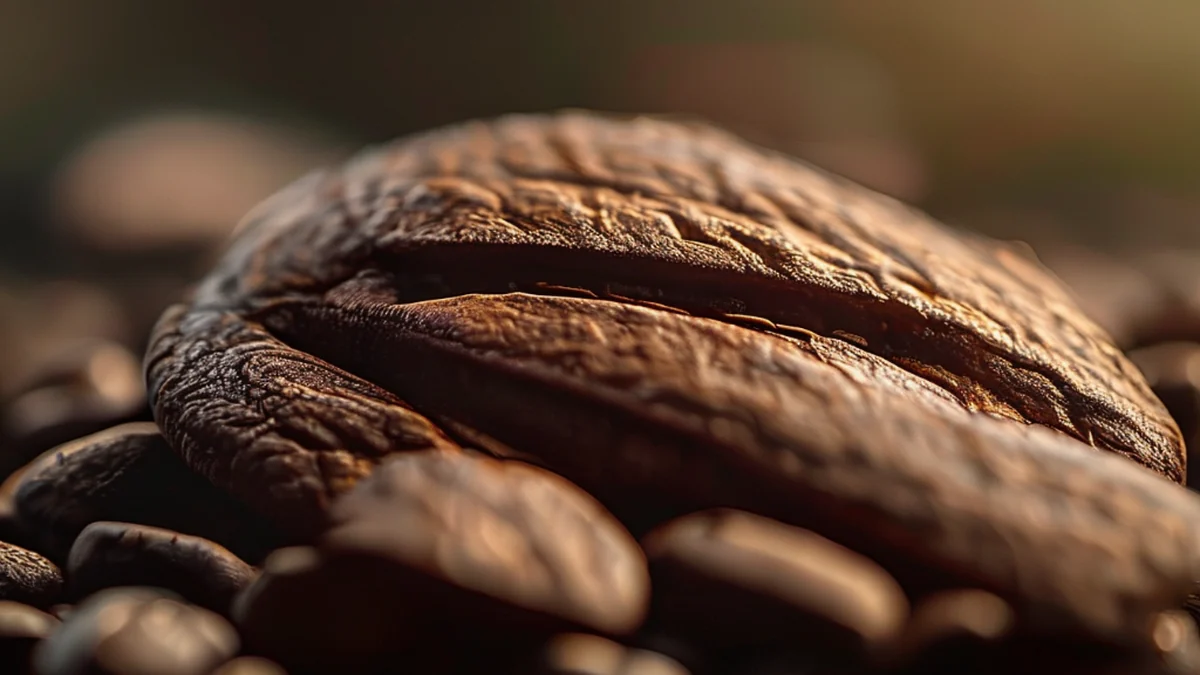
Why are Arabica and Robusta the Industry Standards?
The world of coffee is vast, but the commercial market is anchored by two distinct species: *Coffea arabica* and *Coffea canephora* (Robusta). These aren't just different flavors; they are biologically different plants with vastly different survival strategies.
According to industry standards in 2024, Arabica beans represent approximately 60% to 70% of the total global coffee production.
According to the International Coffee Organization's (ICO) 2025 annual report, Arabica continues to hold a steady market share of approximately 60% to 70%. This high demand reflects the modern consumer's preference for the complex, "specialty" profiles that Arabica provides.
Robusta, on the other hand, serves the high-volume, commercial sector. While Arabica is often treated like a fine wine, grown in delicate high-altitude microclimates, Robusta is the "workhorse" of the industry, built to withstand pests and lower altitudes to ensure a consistent, affordable supply.
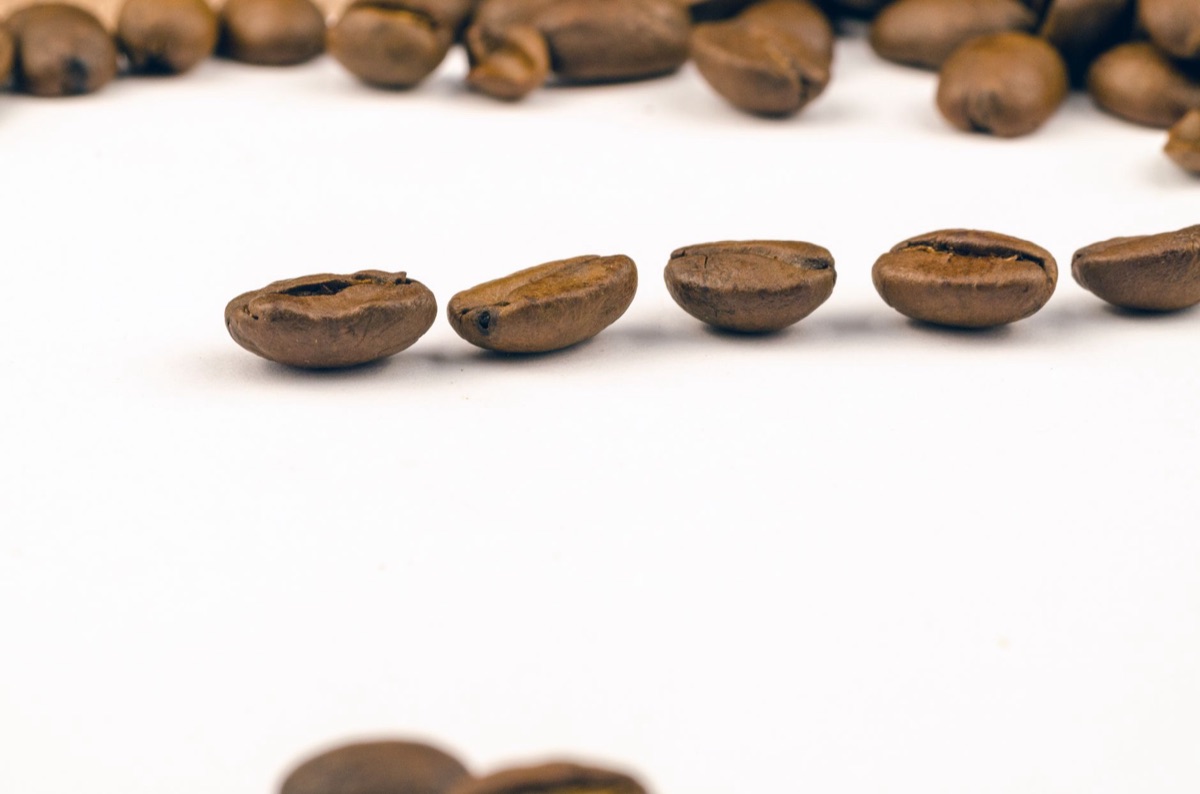
Arabica: The Art of Delicate Flavor
Arabica beans are often referred to as the "aristocrats" of the coffee world. They primarily grow at altitudes between 600 and 2,000 meters (roughly 2,000 to 6,500 feet). The cooler temperatures at these heights slow the maturation of the coffee cherry, allowing complex sugars to develop.
I remember sitting in a small café this past June 2026, sipping a light-roast Ethiopian Yirgacheffe. The jasmine aroma and the bright, lemon-like acidity were so pronounced they practically danced on my palate.
That level of nuance is only possible because Arabica has a higher sugar content and lower levels of chlorogenic acid compared to Robusta.
Since chlorogenic acid contributes to bitterness, the lower levels in Arabica allow those bright, acidic, and floral notes to shine through. This is why the high-end specialty coffee movement in the U.S. is almost exclusively centered around Arabica varieties.
Robusta: Strength, Body, and Economic Value
Robusta brings a completely different energy to the cup. It is a hardy plant that thrives at much lower altitudes (0–800 meters) and is naturally resistant to many common coffee diseases. This resilience makes it much more cost-effective for large-scale production.
Based on a 2023 industry report, Robusta typically maintains a caffeine content ranging from 2.2% to 4%.
The "2025 Global Coffee Trends Report" highlights that Robusta's caffeine content typically ranges from 2.2% to 4%. This is a significant jump from Arabica, making it the go-to choice for those needing a serious physiological boost.
While some purists critique its flavor, Robusta has undeniable strengths. It offers a heavy, syrupy mouthfeel and earthy, chocolatey notes.
Most importantly, the high concentration of oils and solids helps produce a thick, persistent *crema*—that beautiful golden foam on top of a well-pulled espresso shot.
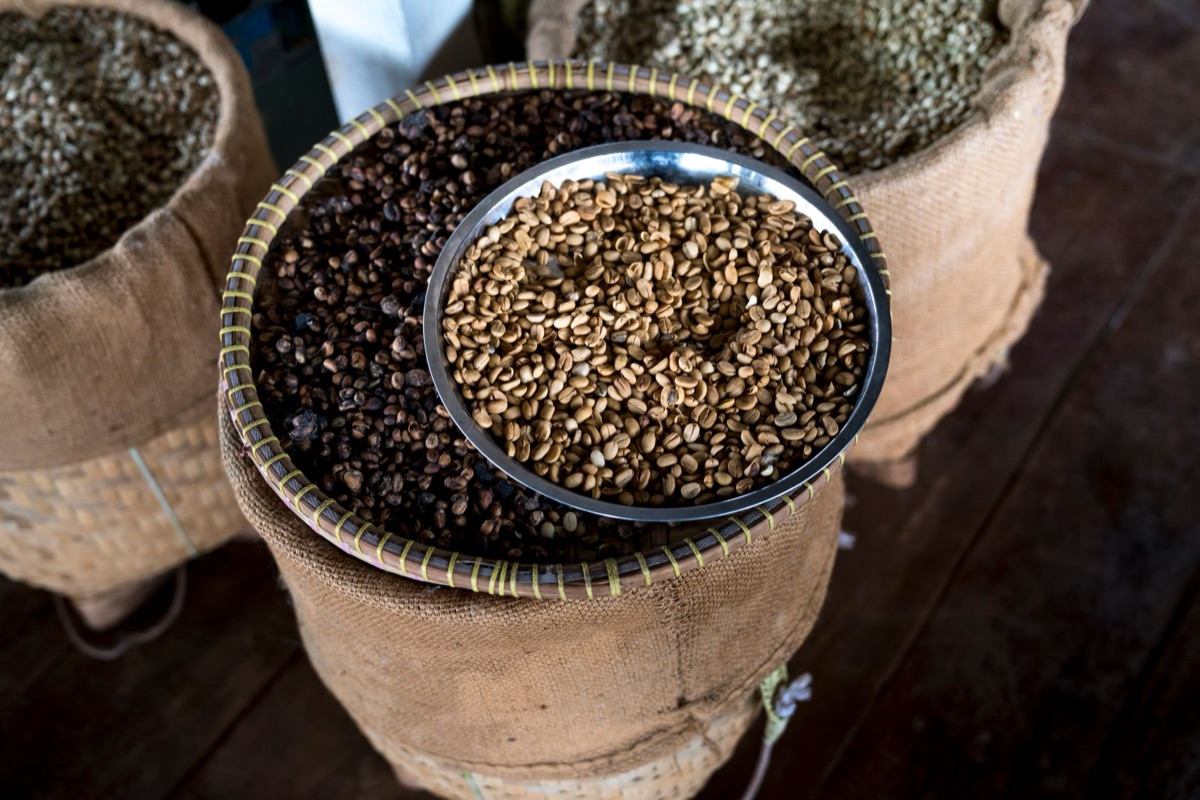
Arabica vs. Robusta: At-a-Glance Comparison
To help you decide what to add to your cart, I've broken down the technical differences. It's worth noting that many premium commercial blends use a "hybrid" approach, often employing a 70:30 or 80:20 (Arabica to Robusta) ratio to balance high-end flavor with a robust crema and better pricing.
| Feature | Arabica (The Specialist) | Robusta (The Powerhouse) |
|---|---|---|
| Primary Flavor | Acidity, Sweetness, Floral/Fruity | Bitterness, Nutty, Earthy/Bold |
| Caffeine Content | Lower | Higher (approx. 2.2%–4%) |
| Growing Altitude | 600m – 2,000m+ (Highland) | 0m – 800m (Lowland) |
| Sugar & Acid | High Sugar / High Acidity | Low Sugar / Low Acidity |
| Best For | Pour-over, Black Coffee, Specialty | Espresso Blends, Instant, Lattes |
*Note: Due to shifting climate patterns reported in recent 2025/2026 agricultural studies, exact production yields and altitude requirements may fluctuate annually.*
How to Choose the Perfect Bean: A 5-Step Guide
Finding your "signature" bean doesn't have to be guesswork. Based on my years of home brewing and tasting, here is the foolproof process I use to select my weekly beans:
- Identify Your Flavor Preference: Do you gravitate toward "bright" and "citrusy" (Acidity) or "dark" and "strong" (Bitterness)? 2. Evaluate Desired Body: Decide if you want a tea-like, clean mouthfeel (Arabica) or a heavy, creamy texture (Robusta). 3.
Check the Altitude on the Bag: Look for high-altitude markings (e.g., 1,500m+). This is a reliable indicator of high-quality Arabica. 4. Match the Bean to Your Method: If you use a Chemex or V60, choose Arabica.
If you are using a Moka pot or Espresso machine, consider a blend containing Robusta. 5. Analyze the Roast Level: Light roasts highlight Arabica's acidity, while dark roasts lean into the heavy, bitter body of Robusta.


Comments 0