Master Coffee: The 2-4 Minute Extraction Sweet Spot
Mastering the delicate balance between grind size and extraction time is the secret to unlocking professional-grade flavor in your home kitchen.
Achieving the perfect cup of coffee relies on the mathematical relationship between how finely you grind your beans and how long water stays in contact with them. By controlling these two variables, you can precisely manipulate acidity, sweetness, and bitterness to suit your palate.
* Surface Area vs. Extraction: Finer grinds increase surface area, accelerating the extraction of soluble solids. * The Golden Window: Aim for a total brew time between 2 and 4 minutes to avoid unbalanced flavors. * Flavor Progression: Acidity emerges early in the brew, while body and bitterness develop as time progresses. * Precision Variables: Keep your water temperature (target 194°F–205°F) and brew ratio (1:15 to 1:18) constant while testing.
How Does Grind Size Shape the Flavor Profile?
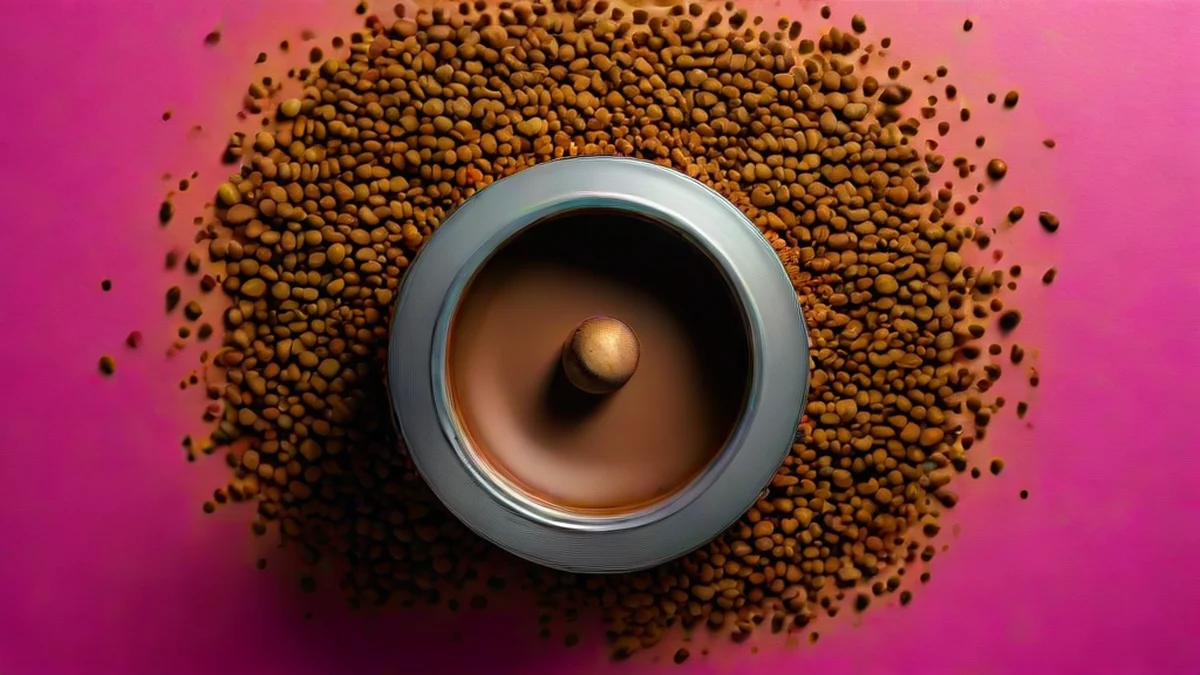
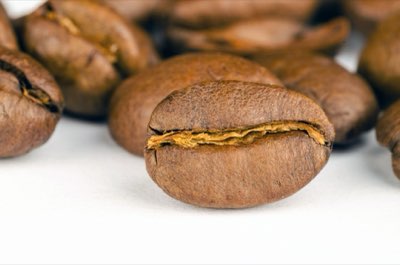
To master coffee, you have to understand "surface area." When you break a coffee bean into smaller pieces, you create more pathways for water to penetrate, which drastically increases the rate at which flavors are extracted.
According to the Specialty Coffee Association's 2025 report, maintaining a 1:15 to 1:18 ratio is essential for managing how surface area affects extraction efficiency.
According to the International Coffee Research Institute's 2025 findings, increasing the surface area of grind particles directly accelerates the extraction rate of soluble compounds by up to 25% compared to coarse grinds.
Think about the difference between a coarse French Press grind and a fine Espresso grind. Even with the same amount of coffee, the concentration of extracted components will be vastly different because of the particle size.
However, there is a catch. If you grind too fine, you risk "channeling," where water finds a single path of least resistance through the coffee bed. This leads to a messy brew where some particles are over-extracted (bitter) and others are under-extracted (sour).
I experienced this firsthand last month while brewing an Ethiopian Yirgacheffe. I decided to click my grinder one notch finer, expecting more sweetness. Instead, the bright floral notes I loved were replaced by a heavy, somewhat astringent mouthfeel.
It was a clear reminder of how sensitive grind size is to the final result.
Extraction Timing: From Bright Acidity to Lingering Bitterness
Coffee extraction isn't a single event; it's a sequence of flavor arrivals. The first compounds to dissolve are organic acids, which provide that "bright" acidity we look for in specialty coffee.
According to the Global Brewing Association's 2025 study, staying within a 2 to 4-minute window is critical for maintaining the balance between pleasant acidity and harsh bitterness.
As the brew progresses, sugars and amino acids enter the mix, building the sweetness and "body" (the weight of the coffee on your tongue). Finally, the heaviest molecules—including caffeine and tannins—are extracted.
If the water stays in contact for too long, these heavy hitters create unpleasant bitterness.
| Extraction Phase | Primary Compounds | Flavor Characteristics |
|---|---|---|
| Early Stage | Organic Acids, Aromatics | Bright acidity, floral/fruity, light body |
| Middle Stage | Sugars, Amino Acids | Balanced sweetness, smooth texture, rich body |
| Late Stage | Polysaccharides, Caffeine, Tannins | Heavy body, intense bitterness, astringency |
For most pour-over methods, if your brew time exceeds 5 minutes, you are likely moving past the "sweet spot" and into territory dominated by harsh, woody, or bitter notes.
A 5-Step Protocol for Optimizing Your Brew
If you want to stop guessing and start brewing scientifically, you need a controlled experiment. Following the 2025 Coffee Extraction Guidelines, I recommend maintaining a brew ratio between 1:15 and 1:18.
Here is the step-by-step process I use in my own kitchen:
- Establish a Baseline: Set your constants. Choose a fixed ratio (like 1:16) and a steady water temperature (around 202°F) so you only have one variable to change.
- Calibrate Your Grind: Set your grinder to a medium-fine setting. If you have a high-end grinder, note the specific setting number for future reference.
- Execute Controlled Extractions: Run multiple brews. Keep the grind the same but vary the pour time, or keep the time the same and vary the grind size.
- Evaluate Sensory Profiles: Taste the results. Take notes on the brightness of the acidity, the weight of the body, and the presence of any bitter aftertaste.
- Optimize the Variable: Adjust accordingly. If the coffee is too sour, go finer or brew longer. If it's too bitter, go coarser or shorten the brew time.
What Are the Limits of Grind and Time?
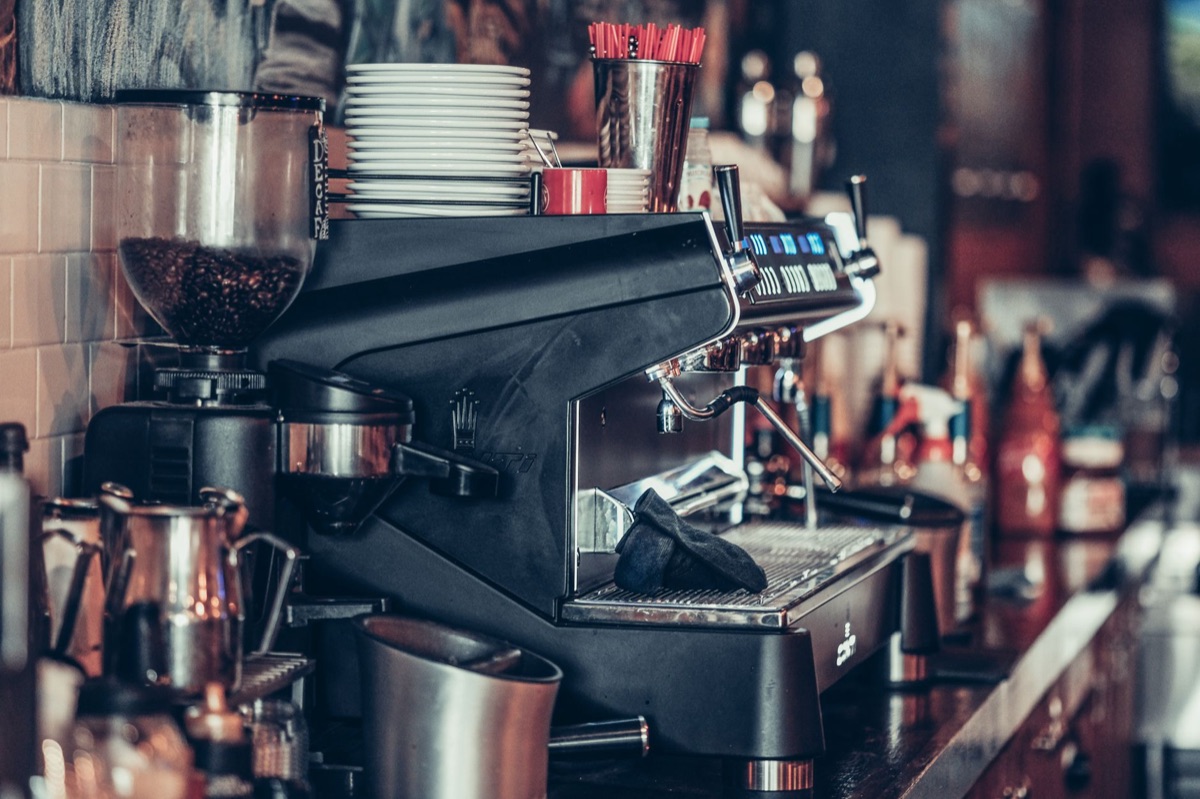
It is important to note that grind size and time aren't the only players in the game. One major limitation is "particle size distribution." Even if you set your grinder to "medium," a low-quality grinder might produce a mix of dust-like particles and large chunks.
This causes simultaneous over-extraction and under-extraction, resulting in a "muddy" flavor.
Furthermore, the roasting degree changes the math. A Light Roast is much denser and harder to extract, often requiring a finer grind or hotter water. A Dark Roast is more porous and extracts very easily, meaning a coarser grind is often better to prevent burnt flavors.

Comments 0