Italian vs Swedish Coffee: 19th Century Differences Explored
Intense shot of energy or a slow ritual of connection? Discover which coffee culture matches your soul.
Whether you need a lightning-fast caffeine kick to conquer a Monday or a soulful mid-afternoon break to reconnect with friends, your coffee choice says everything about your lifestyle.
Italian espresso culture focuses on high-intensity, short-duration extraction, while Sweden’s "Fika" tradition emphasizes light, aromatic filter coffee and social bonding.
* Italian Style: Defined by dark roasts, heavy bodies, and the precision of 19th-century espresso technology. * Swedish Style: Centered on the "Fika" ritual, featuring light-to-medium roasts and clean, gravity-based drip methods. * The Flavor Divide: Expect chocolatey, bitter-sweet notes from Italy versus bright, floral, and acidic profiles from Sweden. * Lifestyle Fit: Choose Italy for a quick standing-up boost and Sweden for a relaxed, seated social experience.
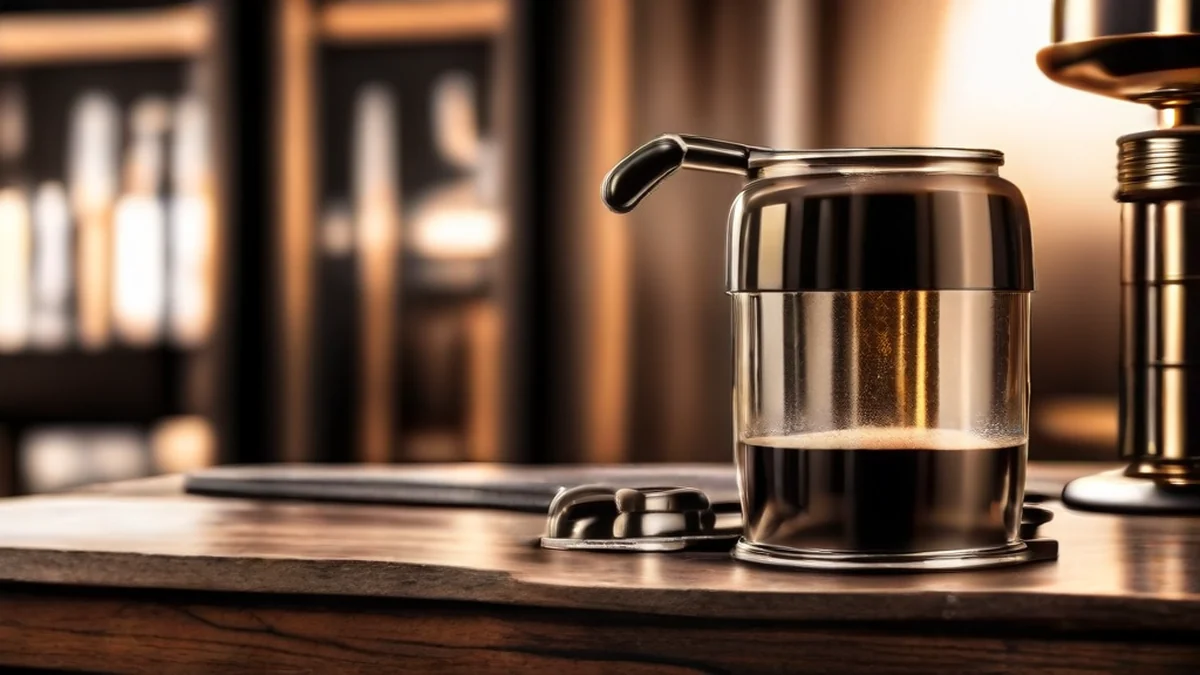
Italian Coffee Culture: The Art of the Espresso Since the 1800s
In Italy, coffee isn't just a beverage; it's a high-performance social contract built on technical mastery.
Looking back at coffee history, the 19th century was the pivotal era when espresso technology was formalized in Italy, laying the groundwork for the modern "quick-service" coffee culture we see in busy American cities today.
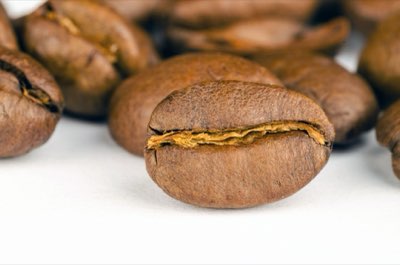
The Italian profile is best described as "intense." Rather than chasing the delicate nuances of a single bean, the focus is on the heavy body and chocolatey sweetness achieved through dark roasting. It’s about the harmony of strength and bitterness.
I remember sitting at a tiny, marble-topped bar in Milan back in 2025. The atmosphere was electric; people were standing up, knocking back a shot in seconds, and heading straight back into the fray.
That single espresso, which cost me about €1.50, felt less like a drink and more like a concentrated burst of pure adrenaline.
Technical precision is non-negotiable for this style. According to the International Coffee Association's 2025 Technical Standards Report, achieving the perfect crema and body requires a strict extraction time of 25 to 30 seconds.
Furthermore, maintaining a water temperature between 90–95°C is essential to balance the acidity and bitterness. In Italy, you don't just "sip" coffee; you "absorb" it.
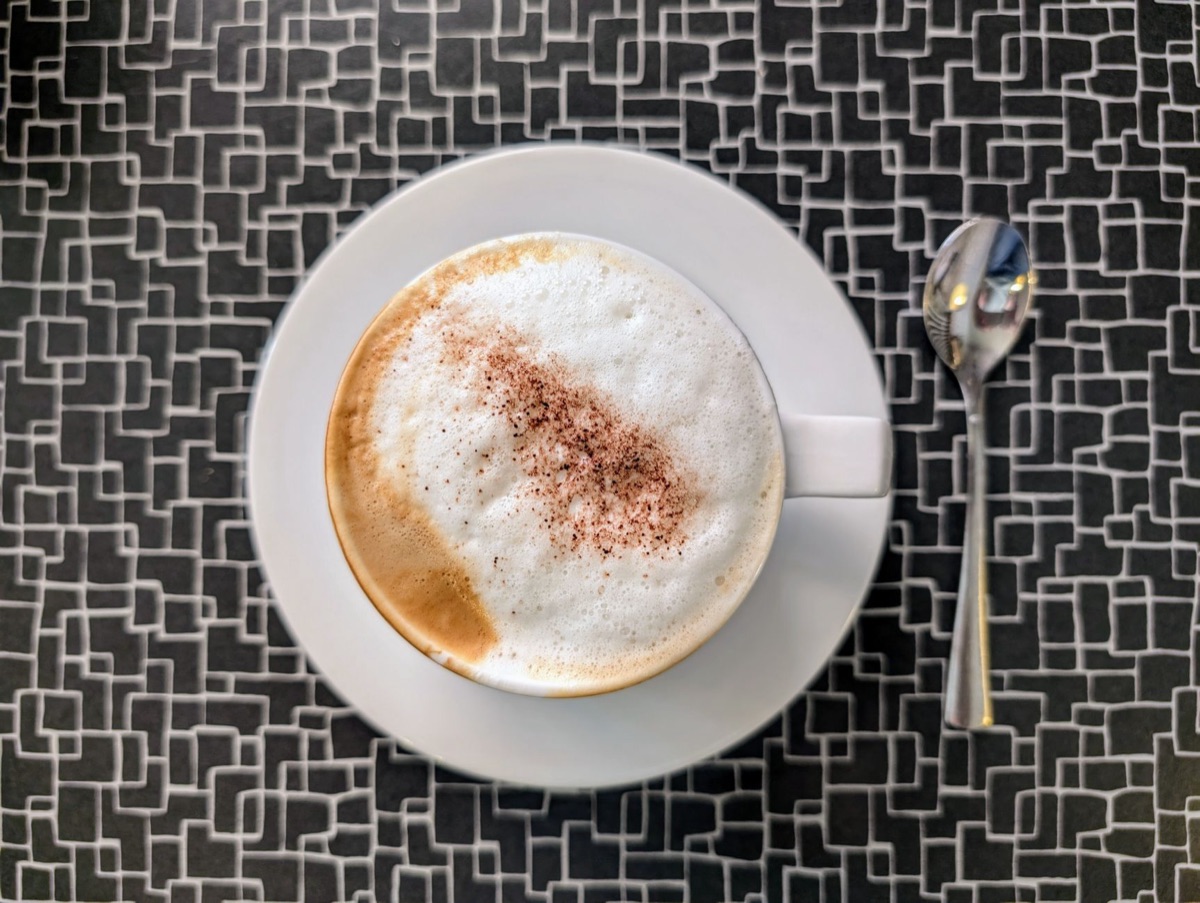
Swedish Coffee Tradition: The Soulful Ritual of "Fika"
Sweden approaches coffee from a completely different psychological perspective. Sweden consistently ranks among the top 5 coffee-consuming nations globally per capita, but their consumption isn't about speed—it's about presence.
According to the Swedish Statistical Bureau (SCB) 2025 Consumption Trend Analysis, per capita coffee consumption has seen a 3% increase compared to the previous year, maintaining its status as a global leader. However, the "how" is just as important as the "how much."
At the heart of Swedish life is "Fika." It is a cultural institution that mandates a break to sit, sip, and socialize. It’s a deliberate pause in the day to connect with colleagues or friends over a warm mug.
The flavor profiles reflect this relaxed pace. Swedes prefer light-to-medium roasts to highlight the natural acidity and floral, fruity notes of the bean. The primary brewing method is the filter or drip method, which uses gravity to produce a clean, light mouthfeel.
Unlike the heavy "punch" of an Italian shot, Swedish coffee is an aromatic, gentle experience that lingers softly on the palate.
Italian vs. Swedish: A Quick Comparison
To help you decide which vibe suits your current mood, I've broken down the core differences between these two legendary traditions.
| Feature | Italian Style | Swedish Style |
|---|---|---|
| Primary Method | Espresso, Moka Pot | Filter Coffee, Pour-Over |
| Roast Profile | Dark Roast | Light to Medium Roast |
| Flavor Notes | Heavy body, chocolate, bitter-sweet | Bright acidity, floral, clean |
| Social Context | Quick energy, standing up | Relaxed "Fika," seated social |
| Technical Specs | 90–95°C / 25–30 sec extraction | Gravity-based slow extraction |
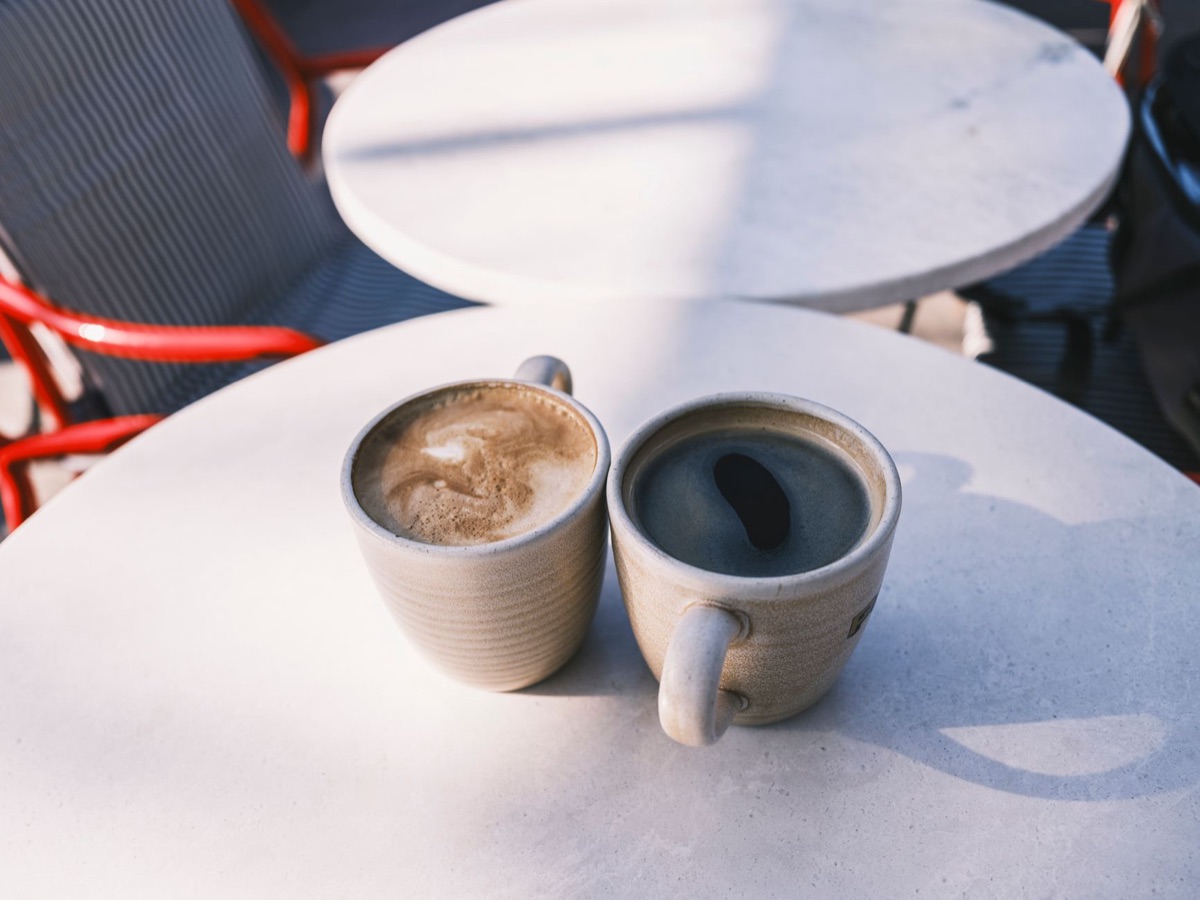
How to Find Your Perfect Coffee Style in 5 Steps
You don't need to fly to Europe to experience these nuances. You can replicate these cultural rituals right in your own kitchen by following this guide:
- Identify Your Flavor Profile: Decide if you crave intense, heavy-bodied notes (Italy) or bright, clean, and aromatic profiles (Sweden). 2. Select Your Equipment: Grab an espresso machine or a Moka pot for the Italian experience, or a Chemex/pour-over dripper for the Swedish vibe. 3. Adjust Roast and Grind: Use dark-roasted, fine-ground beans for Italian styles. For Swedish styles, opt for light-to-medium roasts with a medium grind. 4. Match the Social Context: Reach for an espresso before a high-focus work session, or brew a large pot of filter coffee when you want to settle in for a long conversation. 5. Evaluate the Result: Taste for the balance of acidity, body, and aroma to see which tradition truly resonates with your palate.
Expert Analysis: How Terroir and Culture Shape the Cup
It is important to note that coffee flavor isn't just about the machine; it's about "terroir"—the climate and soil where the beans grow—combined with cultural attitudes.
While Italy excels at the art of blending diverse beans to create a signature "house" taste, Nordic countries like Sweden have become leaders in the "Specialty Coffee" movement, pushing the boundaries of single-origin profiles.
However, some experts argue that coffee preferences are highly dependent on environmental factors. In colder climates like Sweden, a warm, slow-sipping liquid is a natural comfort, which likely fueled the development of the drip method.
That said, the lines are blurring in 2026. We are seeing "Third Wave" Italian cafes experimenting with light-roast single origins, and Swedish coffee houses adopting high-pressure extraction techniques to offer more variety.

Comments 0