Coffee Processing Secrets: Achieving 80+ Flavor Scores
"The flavor of your coffee isn't just decided by the soil it grows in, but by the precise science of how it's processed right after harvest."
Coffee flavor is primarily driven by the "processing" method used to remove the fruit from the bean. While a washed process yields a crisp, acidic profile, a natural process creates intense, fruity sweetness, meaning the method often dictates the entire sensory experience.
* The Core of Flavor: Processing is the deliberate design of acidity and aroma through moisture and fermentation control. * Washed vs. Natural: Choose Washed for clean acidity and consistency, or Natural for heavy sweetness and complex fruit notes. * The Quality Benchmark: Specialty coffee aims for a score of 80+ on a 100-point scale, achieved through rigorous processing precision. * Critical Variables: Success relies on maintaining fermentation temperatures between 68°F and 86°F (20°C–30°C) and stabilizing moisture at 10%–12%.

Why Does Processing Determine the Flavor Profile?
The taste of your morning brew doesn't come solely from the coffee plant itself. It emerges from the chemical transformations that occur once the coffee cherry is harvested and the seed (the bean) is separated from the surrounding fruit and mucilage.
Processing methods focus on how to manage the breakdown of organic matter and how to induce specific types of fermentation. This movement of sugars and organic acids forms the foundation of what we perceive as "flavor profiles."
The stakes for this process are incredibly high. According to the Specialty Coffee Association's (SCA) 2025 Quality Control Guidelines, even a minute error during fermentation can result in a difference of up to 5 points in the final cupping score.
For instance, removing the fruit entirely and washing the beans emphasizes the bean's inherent, clean characteristics. Conversely, drying the beans while the fruit is still attached allows sugars to seep into the seed, creating a much deeper, more complex sweetness.

Washed vs. Natural: A Head-to-Head Comparison
In the coffee industry, the two most distinct paths are the Washed and Natural processes. Because they aim for completely different sensory goals, understanding them is essential for any enthusiast.
1. Washed Processing: The Aesthetic of Clarity As the name suggests, this method uses water to thoroughly strip away the mucilage. This often results in a higher bean density, which leads to a more uniform roast profile.
* Flavor Profile: Bright acidity, a "clean cup" finish, and clear expression of terroir. * Key Advantage: High consistency and easier identification of defective beans.
2. Natural Processing: A Symphony of Fruit In the natural method, the whole cherries are spread out to dry in the sun. As the fruit decomposes around the bean, it imparts deep, funky, and fruity flavors.
* Flavor Profile: Intense sweetness, heavy body, and notes of berries or tropical fruits. * Key Advantage: The ability to create highly unique and characterful flavor profiles.
| Feature | Washed Process | Natural Process |
|---|---|---|
| Primary Characteristic | Clean acidity and clarity | High sugar and complex fruit |
| Core Method | Mucilage removal & water washing | Drying with whole fruit & fermentation |
| Taste Notes | Citrus, floral, crisp | Berry, chocolate, heavy body |
| Bean Density | Relatively high and uniform | Variable due to sugar absorption |
The 5-Step Journey from Cherry to Green Bean
High-quality coffee isn't a matter of luck; it's the result of a calculated, multi-step engineering process.
When I received a shipment of direct-trade Ethiopian beans last month, I was struck by how perfectly they had been stabilized at an 11% moisture content—a testament to the power of precise processing.
Here is the standard professional workflow:
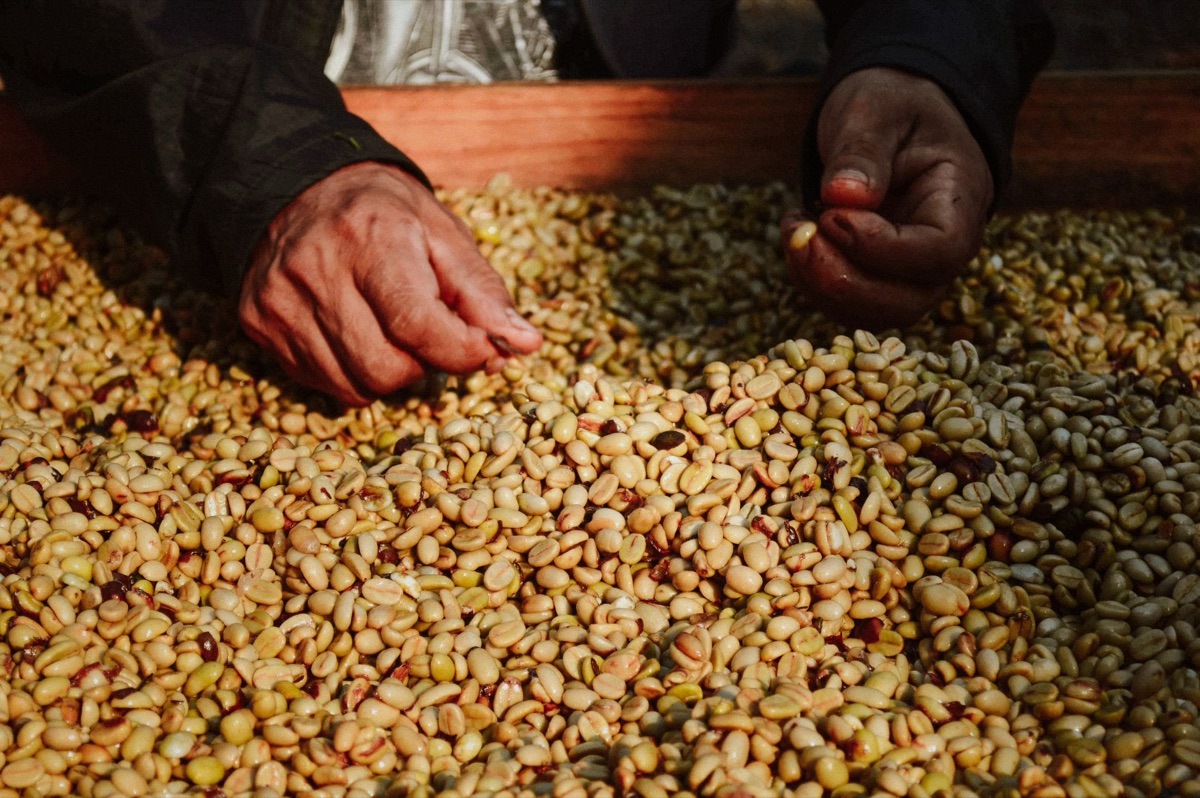
- Harvesting: Only the ripest cherries are selected to ensure maximum sugar content, the essential precursor to flavor. 2. Depulping (Washed Method): A mechanical pulper removes the skin and mucilage, followed by thorough washing in water tanks to clean the parchment. 3. Drying (Natural Method): Whole cherries are spread on raised beds or patios to dry in the sun, allowing the bean to absorb flavors from the decomposing fruit. 4. Fermentation Control: Organic breakdown is managed via water tanks (washed) or ambient air (natural). It is critical to keep fermentation temperatures between 68°F and 86°F. 5. Hulling and Sorting: Once dried, the parchment is removed, and beans are strictly graded by size and quality.
Variables, Risks, and Economic Realities
It is important to note that no processing method is foolproof. Because processing relies heavily on environmental factors, there are significant variables at play.
The natural process, for example, involves a fermentation window that can last anywhere from 7 to 21 days depending on humidity. If temperature control fails during this time, the coffee can develop "off" flavors or rot.
Additionally, because the fruit dries along with the bean, the yield (the amount of dried coffee produced per kilogram of cherry) is often lower in natural processing compared to washed processing.
These risks are becoming more pronounced.
According to the International Coffee Organization's (ICO) 2025 Market Analysis Report, extreme temperature fluctuations caused by climate change have led to a roughly 12% increase in production failures for natural processed coffees compared to the previous year.
To mitigate this, producers must constantly monitor moisture levels to ensure they stay within the industry standard of 10% to 12% for optimal storage.





Comments 0