Coffee's 20 Billion Cups: A Global Economic Engine
From a mythical goat herder's discovery to a multi-billion dollar global industry, coffee has fundamentally reshaped how humans socialize, think, and trade.
Coffee is far more than a morning caffeine fix; it is a cultural engine that has driven intellectual revolutions and global economic shifts for centuries.
Whether it's fueling the "Penny Universities" of the 17th century or driving the modern "Third Wave" craft movement, coffee remains a central pillar of human connection.
* Intellectual Catalyst: Historical coffeehouses served as democratic hubs for debate and news exchange. * Technological Revolution: Innovations like the espresso machine transformed coffee from a slow brew to a high-speed urban staple. * Economic Powerhouse: With over 20 billion cups consumed annually, coffee is a cornerstone of international commodity markets. * Artisanal Evolution: The industry has shifted from mass-produced instant coffee to a sophisticated focus on terroir and precision brewing.

From Ethiopian Highlands to Global Mainstays: The Origin Story
The legend of coffee begins not in a lab, but in the wild highlands of Ethiopia. Folklore tells of Kaldi, a 9th-century goat herder, who noticed his flock became unusually energetic after eating bright red berries from a certain shrub.
This accidental discovery set off a chain reaction that would carry the bean from the African highlands to the Arabian Peninsula, and eventually to every corner of the globe.
The migration of coffee was never just about the plant; it was about the migration of culture. As coffee moved through Islamic trade routes, it evolved into a sophisticated ritual of hospitality. By the time it reached Europe via maritime trade routes, it had become a transformative social tool.
I remember sitting in a small, sun-drenched café in the Yirgacheffe region of Ethiopia back in 2025. Watching the local farmers harvest cherries with such rhythmic, communal energy made me realize that for them, coffee isn't just a commodity—it's the very heartbeat of their social fabric.

How Coffeehouses Became "Penny Universities"
The true social power of coffee was unleashed in the 1650s when coffeehouses began popping up across London. These weren't just places to grab a drink; they were the "information plazas" of their time. In an era of rigid social hierarchies, the coffeehouse offered a rare space for free thought.
In 17th-century Europe, these establishments were famously dubbed "Penny Universities." For the mere price of a penny, anyone could enter, sit near intellectuals, and join debates on politics, science, and philosophy. It was a democratization of knowledge that predated modern news media.
The role of the coffeehouse has evolved through several distinct stages:
- The Intellectual Era (17th Century): A hub for political discourse and the sharing of news. 2. The Commercial Era (Industrial Revolution): A center for business transactions, insurance (like Lloyd's of London), and trade deals. 3. The Modern Era (2026): A hybrid space serving as a remote workspace, a social lounge, and a destination for sensory exploration.
The Science and Tech Behind the Perfect Pour
The history of coffee is inextricably linked to the evolution of extraction technology. We've moved from boiling beans in a pot to using high-pressure steam and precision digital scales. One of the most significant turning points occurred in 1901, when Luigi Bezzera invented the espresso machine.
By using steam pressure to force water through finely-ground coffee, the espresso machine allowed for a concentrated, rapid extraction. This technological leap provided the foundation for the modern café culture that defines our fast-paced urban lives today.
Even for the home brewer, science is king. To achieve the perfect extraction, professionals aim for a precise temperature range of 90–96°C (195–205°F). This level of control has elevated coffee from a simple stimulant to a disciplined craft.
| Era / Technology | Primary Characteristic | Social Impact |
|---|---|---|
| Traditional Methods | Manual boiling, cloth filtration | Home-centered, slow-paced social interaction |
| The Espresso Era | Steam pressure, rapid extraction | Democratization of café culture, urban speed |
| The Specialty Era | Precision temperature/pressure, single-origin focus | Emphasis on individual palate and artisan craft |
A Global Economic Engine
Coffee is one of the most traded commodities on Earth. According to the International Coffee Organization (ICO) in their 2025 report, global coffee consumption has reached staggering levels, with over 20 billion cups consumed annually.
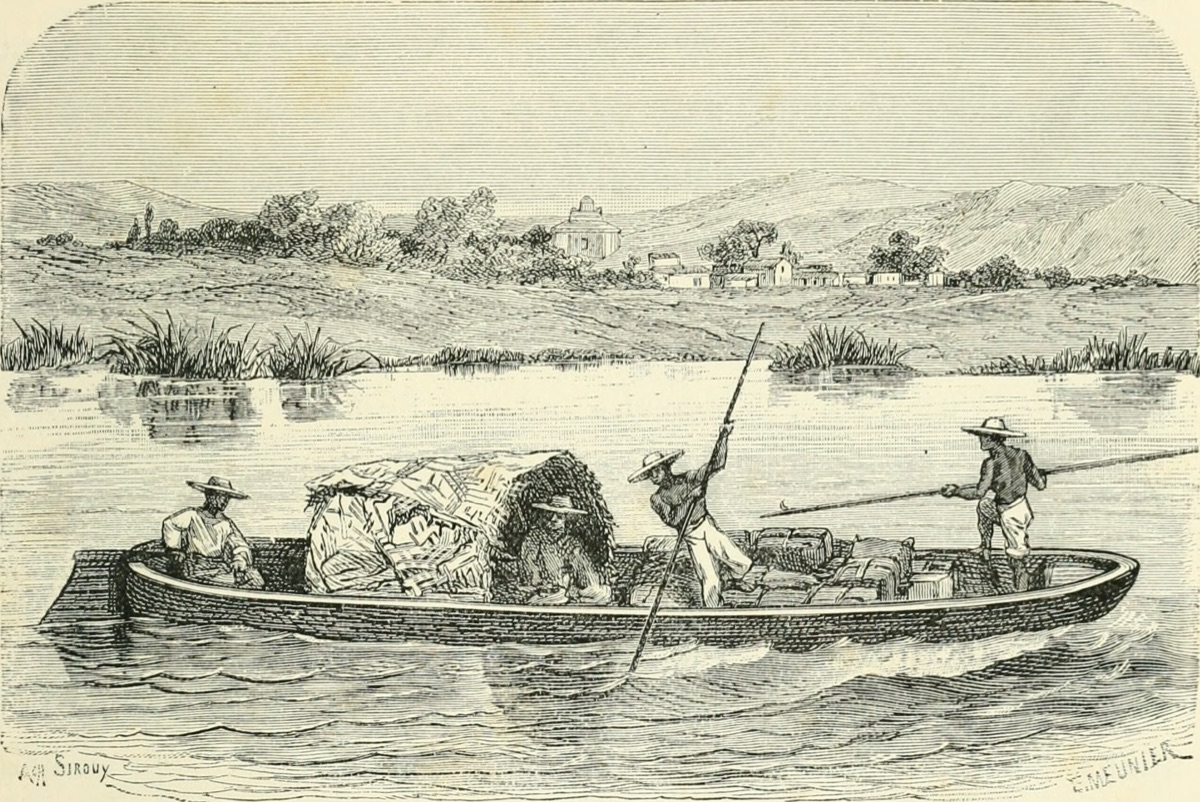
However, this economic impact is complex. The expansion of coffee cultivation was deeply intertwined with colonial history, shaping the trade routes and economic structures of many nations.
While this created the modern global market, it also left a legacy of economic disparity between producing and consuming nations.
Today, the industry is shifting toward high-value "specialty" models. Rather than just trading bulk beans, the focus is increasingly on traceability and direct trade, ensuring that the economic benefits reach the farmers who specialize in high-quality crops.
The Third Wave: Coffee as an Art Form
In 2026, we are firmly entrenched in the "Third Wave" of coffee. This movement views coffee much like fine wine, emphasizing "terroir"—the unique flavor profile imparted by the specific soil, altitude, and climate of a region.
While the "First Wave" was about mass accessibility (instant coffee) and the "Second Wave" brought us the era of large coffee chains and lattes, the "Third Wave" is about the artisan. It's about the roasting profile, the precise grind size, and the story of the farmer.
We are seeing incredible growth in niche markets. For instance, high-altitude coffee from regions like Nepal is gaining massive traction among American enthusiasts this year.
Even the nuances of single-origin cacao are being discussed in the same breath as specialty coffee, as the boundaries of the "flavor experience" continue to expand.



Comments 0