Specialty Coffee: Mastering the 80-Point Quality Standard
Exploring specialty coffee is about more than just a caffeine fix; it's about immersing yourself in the philosophy of a space and the true essence of the bean.
To master the art of coffee tasting, you need to look beyond the menu and understand a cafe's brewing techniques and flavor profiles. By focusing on bean origin, extraction precision, and sensory nuances, you can transform a simple drink into a profound sensory journey.
* Pre-Visit Research: Align your palate with the cafe's seasonal roast profiles and bean origins. * Technical Observation: Gauge a shop's professionalism by inspecting their brewing equipment and bar cleanliness. * Sensory Analysis: Evaluate the four pillars of flavor: aroma, acidity, body, and aftertaste. * Atmospheric Context: Consider how lighting, acoustics, and seating complement your tasting experience.
How Should You Prepare Before Visiting a Specialty Cafe?
The secret to a perfect coffee outing starts before you even step through the door. Because the specialty coffee market has become increasingly niche—growing significantly as consumers seek specific flavor profiles—knowing what a shop specializes in is essential.
For instance, do you crave the bright, floral acidity of a washed Ethiopian bean, or the heavy, chocolatey body of a natural process Indonesian coffee? Choosing the right destination based on these preferences ensures you aren't disappointed.
I remember visiting a high-end roastery in Seattle this past June. I checked their Instagram beforehand to see they were featuring a single-origin bean from Naples. Because I knew to expect those specific floral notes, I was able to fully appreciate the nuances rather than being surprised by them.
Furthermore, according to the International Coffee Organization's 2025 report, consumer literacy regarding coffee origins and processing methods has seen a massive uptick compared to previous years.
Modern coffee exploration is no longer about finding "good" coffee, but about discovering the unique "terroir" of a specific micro-lot.
What Is the Professional 5-Step Sensory Process?
Once you're seated, don't just sip and go. To truly understand what you're drinking, follow this structured approach used by professionals to analyze flavor depth.
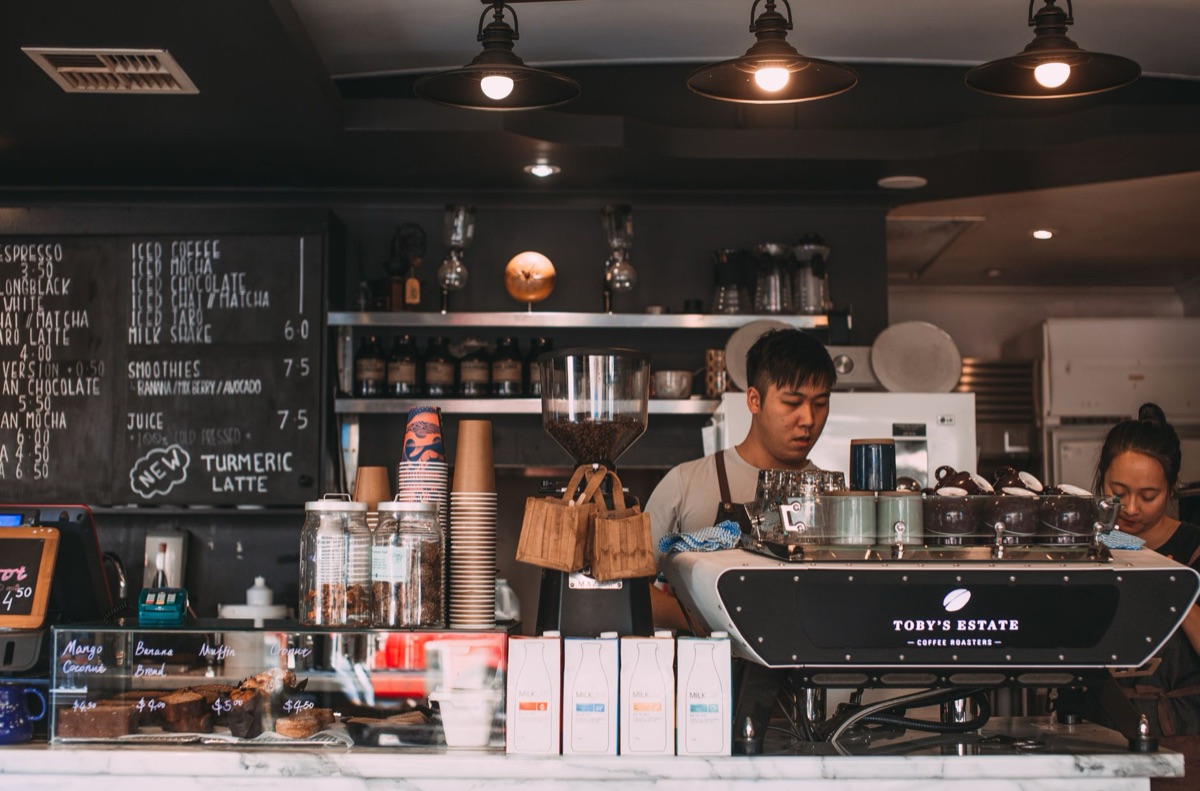
- Review the Specs: Check the menu for the roast level (light, medium, or dark) and the processing method (Washed vs. Natural). 2. Observe the Setup: Look at the espresso machine and pour-over tools. Well-maintained, clean equipment is a non-negotiable indicator of consistency. 3. Explore the Aroma: Before the first sip, take a deep breath of the steam. Try to visualize how the scent translates to the liquid. 4. Analyze the Structure: Take a sip and identify the brightness of the acidity, the weight of the body on your tongue, and the lingering aftertaste. 5. Evaluate the Environment: Assess how the music, lighting, and seating contribute to the overall "vibe" and your ability to focus on the coffee.
Specialty vs. Commodity: What’s the Real Difference?
It's easy to get lost in the terminology, but understanding the distinction between "Specialty" and "Traditional" coffee changes how you value your brew.
| Feature | Specialty Coffee | Traditional/Commodity Coffee |
|---|---|---|
| Quality Standard | SCA score of 80 points or higher | Mass-produced, standardized quality |
| Traceability | Clear link to specific farm and process | Often blended; origin is often vague |
| Flavor Profile | Complex, unique terroir nuances | Consistent, familiar bitterness/nutty tones |
| Price Point | Premium due to high quality control | Economical due to mass distribution |
Specialty coffee isn't just "expensive" coffee; it represents a rigorous chain of quality control from the farm to the cup. As of 2026, we are seeing incredible quality emerging from rising star regions like Nepal, which are capturing the attention of enthusiasts worldwide.
The Science Behind the Perfect Extraction
Great coffee is as much about physics as it is about art. While a barista's skill is vital, specific scientific variables dictate the final flavor profile.
For pour-over enthusiasts, temperature is everything. To ensure optimal extraction without scalding the beans, water should generally be between 90°C and 96°C. If the water is too cool, the coffee tastes thin; if it's too hot, you'll pull out unpleasant bitterness.
In the world of espresso, timing is the golden rule. A balanced shot typically requires an extraction window of 15 to 30 seconds. Additionally, specialty shops often use a precise coffee-to-water ratio, typically between 1:15 and 1:18, to highlight the bean's natural characteristics.
However, these numbers aren't etched in stone. A skilled barista must adjust for bean density, roast level, and even the day's humidity.
It's also worth noting that freshly roasted beans need time to "degas." Most professionals recommend a resting period of 20 to 30 minutes after roasting to allow CO2 to escape, ensuring a stable flavor.



Comments 0