An art form forged by intense pressure and precise timing, e
An art form forged by intense pressure and precise timing, espresso is the concentrated heartbeat of modern cafe culture.
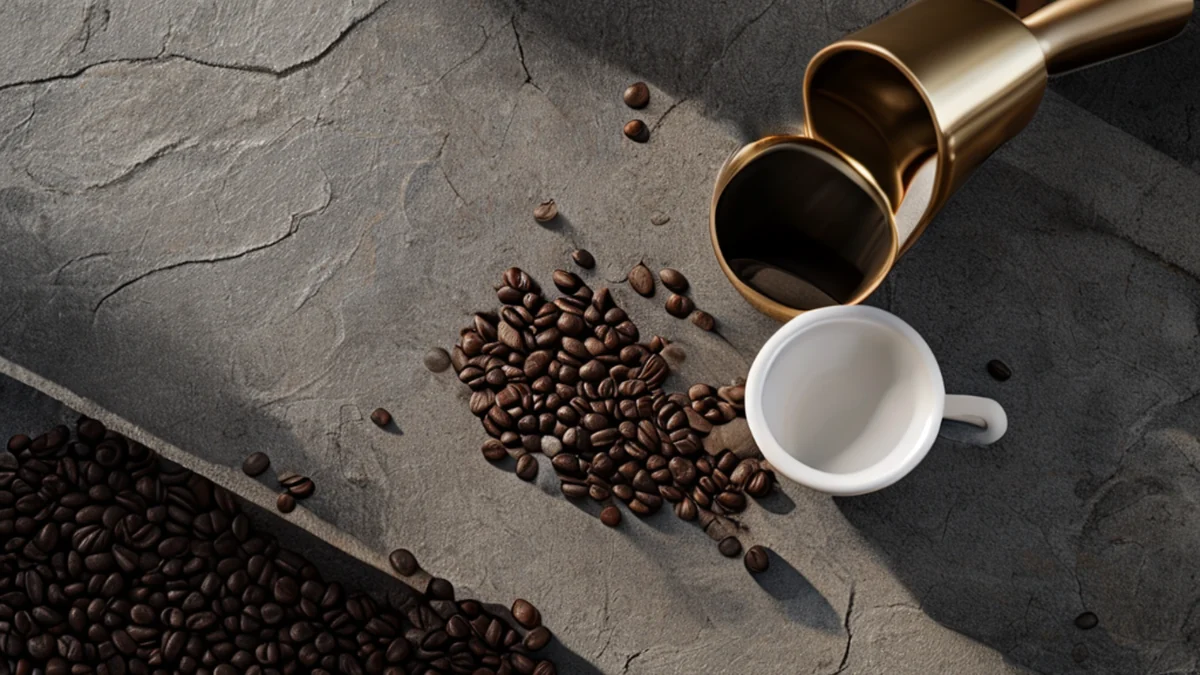
Espresso is a highly concentrated coffee shot produced by forcing hot water through finely-ground beans at high pressure—typically around 9 bars—over a very short duration. It serves as the essential foundation for almost every specialty beverage, from silky lattes to frothy cappuccinos.
* The Marriage of Pressure and Flavor: High-pressure extraction emulsifies coffee oils, creating a unique body and intensity. * Technical Precision Matters: Professional standards require strict control over temperature, pressure, and grind size. * Flavor Variations: Adjusting water volume and time allows for distinct styles like Ristretto or Lungo. * A Global Standard: Originally an Italian innovation for speed, it has evolved into a sophisticated global craft.
Why is espresso the gold standard of coffee worldwide?
The global dominance of espresso isn't just about caffeine; it’s about the unique sensory experience that only high-pressure extraction can provide. Historically, this method was perfected in early 20th-century Italy to meet the demand for "fast" service, a concept that perfectly aligns with the modern, fast-paced lifestyle. According to data from the International Coffee Organization (ICO) regarding global consumption trends, espresso-based beverages maintain a consistently high market share because of this concentrated intensity that single-origin drip coffee simply cannot replicate.
Beyond the commercial aspect, there is an increasing trend toward "home barista" culture. I remember the first time I invested in a dedicated espresso setup; the sheer tactile satisfaction of watching the thick, syrupy liquid hit the glass was incomparable to my morning pour-over. There is a specific sensory magic in that first sip—a heavy, velvety body that coats the palate before the complex notes even fully register.
What is the actual science behind an espresso shot?
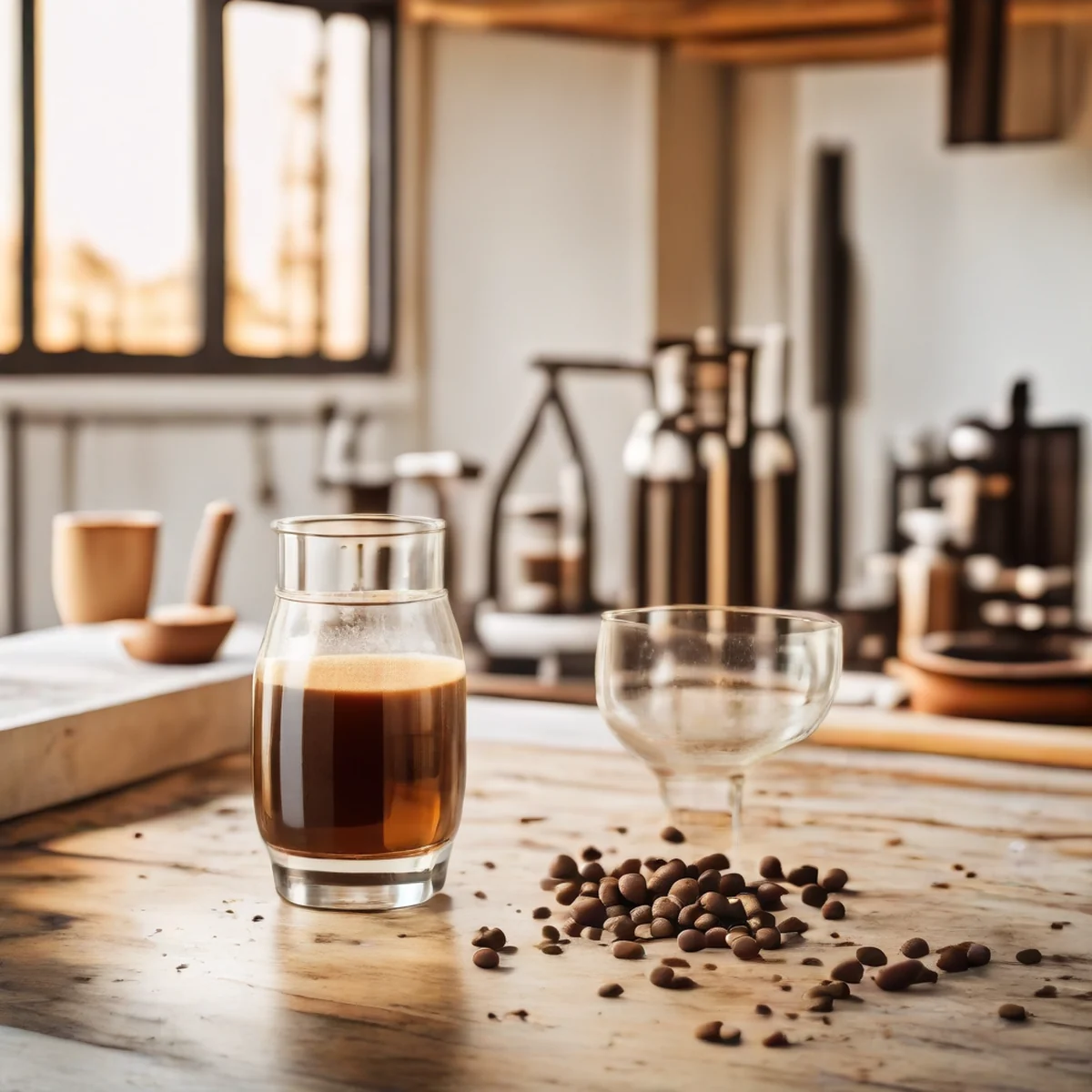
Achieving a perfect shot is a delicate balancing act between three critical variables: pressure, temperature, and time. The Specialty Coffee Association of America (SCA) provides rigorous guidelines for quality, noting that ideal extraction generally requires water temperatures between 90°C and 95°C (194°F–203°F). To get the chemistry right, you need roughly 9 bars of pressure to push the water through the puck in a window of 25 to 30 seconds.
During this process, high pressure does more than just wet the grounds; it forces water into the cellular structure of the coffee, aggressively extracting lipids (oils) and aromatic compounds. A major technical hurdle here is "channeling," where water finds a path of least resistance through the coffee puck rather than flowing evenly. If channeling occurs, you’ll end up with an unbalanced shot that tastes both sour and unpleasantly bitter. This is why professional baristas spend years mastering tamping techniques and grind adjustments—it's about controlling fluid dynamics as much as it is about flavor.
What exactly is crema and why does it matter?
That golden-brown, frothy layer sitting atop a fresh shot is called *crema*, and it serves as the visual calling card of a well-made espresso. Scientifically, crema is an emulsion created when carbon dioxide trapped inside the roasted beans meets high-pressure water, forming tiny bubbles that bind with the coffee's oils to create a creamy texture.
I once conducted a small experiment at home to see how much freshness actually impacted the shot. I compared beans roasted seven days prior against a bag that had been sitting in my pantry for over a month. The fresh beans produced a thick, tiger-striped crema that held its structure for several minutes, yielding a lingering sweetness. The older beans, however, produced a thin, dissipating layer that tasted flat and lacked any significant mouthfeel. This confirms that crema isn't just "pretty foam"—it is a real-time indicator of bean freshness and extraction success.
Ristretto vs. Lungo: How do variations change the taste?
Even within the world of espresso, you can drastically alter the flavor profile by simply changing how much water you use during the extraction process. The two most common variations are Ristretto and Lungo.
| Shot Type | Water Volume | Extraction Time | Flavor Profile |
|---|---|---|---|
| Ristretto | Low (Short) | Shorter | Intense, sweet, high acidity, syrupy texture |
| Espresso | Standard | 25-30 sec | Balanced acidity, sweetness, and bitterness |
| Lungo | High (Long) | Longer | More bitter, thinner body, more caffeine |
A Ristretto is a "restricted" shot. By using less water, you capture the initial, most flavorful part of the extraction—the bright acids and intense sugars—before the heavier, more bitter compounds can emerge. Conversely, a Lungo is a "long" shot. While it provides more volume, the extended contact with water often extracts more tannins and bitter elements, resulting in a more astringent experience. For example, if you are using a bright, floral Ethiopian bean, a Ristretto might highlight its complex acidity beautifully, whereas a Colombian bean might benefit from a slightly longer extraction to bring out its chocolatey richness.
Can you actually pull professional shots at home?
With the rapid advancement of consumer technology, high-end espresso is more accessible than ever. However, beginners often make the mistake of overspending on the machine while neglecting the most important tool: the grinder. To achieve consistency, you need a high-quality burr grinder capable of producing a very fine, uniform particle size.
While home setups are improving, there is a caveat to consider. Unlike commercial machines found in cafes, many home units struggle with thermal stability and pressure consistency. It is much harder to maintain a steady 9 bars of pressure when your machine hasn't fully preheated or if your water temperature fluctuates. Because the learning curve for espresso is significantly steeper than for drip coffee, it requires patience and a willingness to fail frequently before hitting that "sweet spot."



Comments 0