Grinder First: 5 Steps to Your Perfect Home Coffee Setup
"The secret to a perfect home cafe isn't about buying the most expensive machine; it's about choosing the right tools for the flavor you actually crave."
Building a home coffee station is a journey of precision, starting with understanding whether you want the heavy body of an espresso or the bright clarity of a pour-over.
To succeed, you must prioritize a high-quality burr grinder over a fancy brewer and invest in precision tools like a digital scale to ensure consistency.
* Define Your Profile: Decide between espresso (milk-based/heavy) or filter coffee (single-origin/acidic) before spending a dime. * Prioritize the Grinder: Allocate more of your budget to a high-quality burr grinder, as grind consistency is the single most important factor for flavor. * Essential Precision Tools: A digital scale and a temperature-controlled gooseneck kettle are non-negotiable for repeatable results. * Starter Budget: Aim for a range of $50 to $200 to secure a solid manual grinder and a reliable brewing device.
Why Should You Define Your Taste Profile First?
The biggest mistake I see beginners make is rushing to click "buy" on a shiny, expensive espresso machine.
When I first started my coffee journey, I spent hundreds of dollars on a machine because I thought I wanted lattes, only to realize later that I actually preferred the floral, acidic notes of single-origin pour-overs.
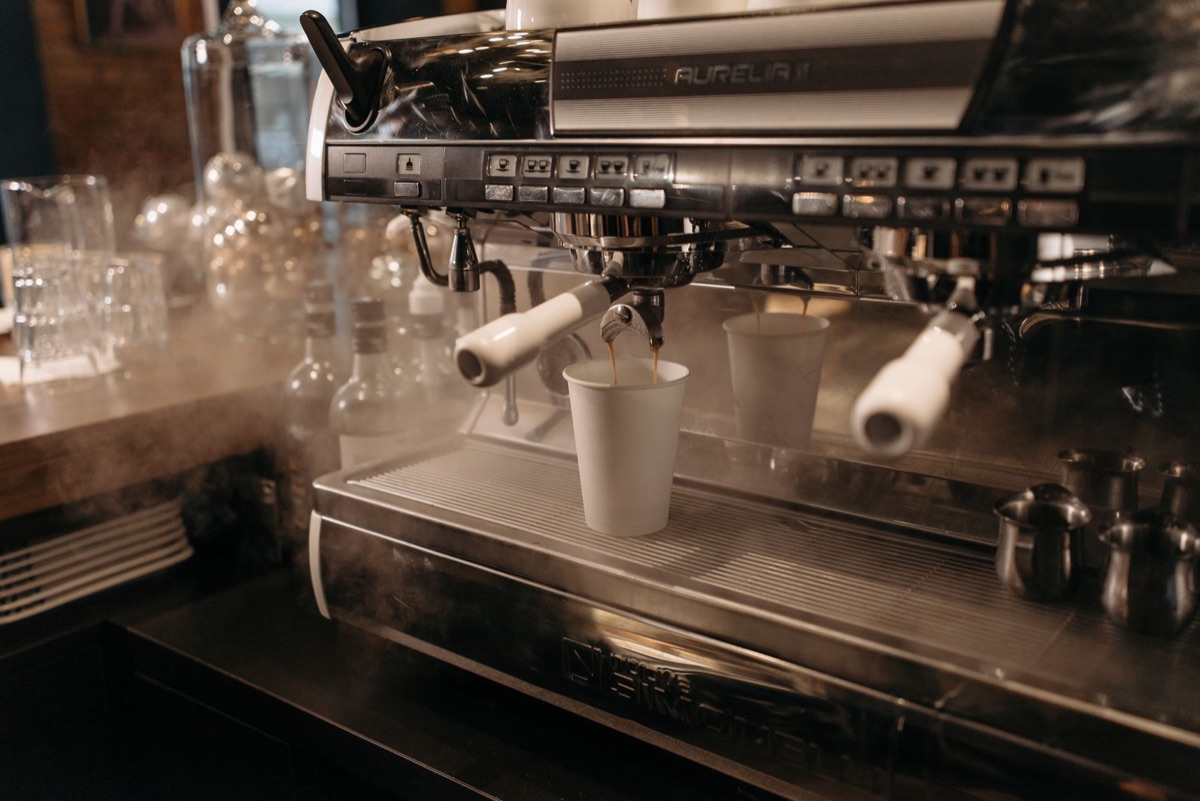
Coffee profiles generally split into two distinct paths. One involves high-pressure extraction to produce the oils and crema found in espresso, which is perfect for lattes and cappuccinos. The other relies on gravity and filtration to highlight the unique "terroir" and delicate nuances of the bean.
If you don't decide whether you want a heavy, creamy morning ritual or a light, tea-like afternoon brew, you'll likely end up with expensive equipment gathering dust in your kitchen. Knowing your "target flavor" dictates every subsequent purchase.
Comparing Extraction Methods and Equipment
To help you choose the right path, I've broken down the most common methods used by enthusiasts today.
| Feature | Espresso Method | Filter/Drip Method | French Press |
|---|---|---|---|
| Primary Characteristic | High pressure, heavy body, crema | Clean taste, highlights acidity | Rich texture, simple process |
| Required Gear | Machine, dedicated grinder, tamper | Dripper, paper filters, gooseneck kettle | French press carafe/plunger |
| Difficulty Level | High (requires pressure/tamp control) | Medium (requires pour control) | Low (very consistent) |
| Best For | Latte & Americano lovers | Specialty coffee enthusiasts | Busy professionals & beginners |
The market is shifting toward this kind of personalization.
According to Euromonitor International's 2025 market analysis, the premium home coffee segment is rapidly moving toward "customization," where consumers focus on mastering specific extraction recipes rather than just buying a convenient appliance.
A 5-Step Strategy to Build Your Home Cafe
Avoid the "budget creep" that happens when you buy tools haphazardly. Follow this sequence to ensure every dollar spent improves your cup.
- Identify Your Flavor Goal: Determine if you want "heavy body/creamy" or "light body/acidic." This dictates your entire gear list. 2. Set a Grinder-First Budget: This is crucial. Invest over 50% of your budget into a high-quality burr grinder. If your grind size is inconsistent, even the most expensive beans will taste bitter or sour. 3. Select Your Extraction Tool: If going the espresso route, ensure your machine can maintain 15 to 20 bars of pressure. For filter coffee, choose a dripper that suits your preferred flow rate. 4. Acquire Precision Accessories: You cannot brew scientifically without a digital scale and a temperature-control kettle. Aim for a water temperature between 92°C and 96°C (198°F to 205°F) for optimal extraction. 5. Evaluate Your Environment: Check your kitchen's space constraints and the maintenance requirements of the gear to ensure you'll actually use it daily.
Mastering the Data: The Numbers Behind the Brew
Once you have the gear, stop guessing and start measuring. Professional brewing is about controlling variables.
For example, when brewing pour-over, the "golden ratio" for specialty coffee is typically between 1:15 and 1:18 (coffee to water). You should aim for a total extraction time of 2 to 4 minutes.
If you are using medium-coarse settings for drip brewing, your grind size should fall within the 200 to 300 micron range.
I remember a specific morning when my pour-over tasted incredibly bitter. I thought it was the beans, but after using a scale to measure water to the single gram and a thermometer to hold my water at exactly 94°C, I realized my "guesswork" was the problem.
Once I stayed within the 3-minute extraction window, the clarity of the coffee changed instantly.
However, keep in mind that these numbers are guidelines, not laws. Environmental factors like humidity or the age of your beans can require you to tweak these variables slightly.
Comments 0