Caffeine Limits: How 400mg Affect Your Body's Health
Is that morning latte a productivity booster or a secret stress inducer for your body?
Navigating coffee consumption is about understanding how caffeine interacts with your unique biology to find your personal "sweet spot." To stay healthy, most adults should aim to keep their total daily caffeine intake under 400mg while timing their drinks to avoid disrupting sleep cycles.
* Daily Limit: Aim for a maximum of 400mg of caffeine per day for healthy adults. * Onset of Action: Expect to feel the effects within 15 to 45 minutes of drinking. * Metabolic Boost: Caffeine can temporarily increase your metabolic rate by 5% to 15%. * The Half-Life Rule: It takes about 3 to 6 hours for the concentration of caffeine in your system to drop by half.
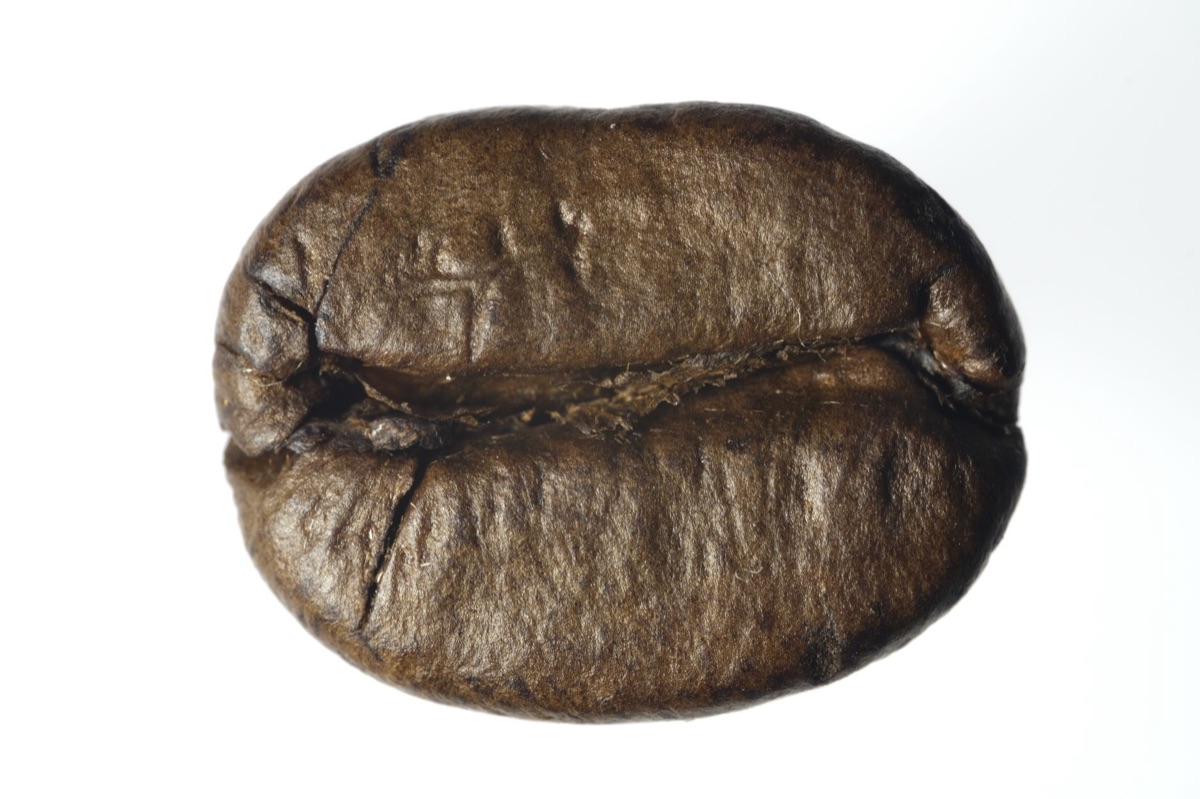
How Caffeine Actually Works (and Why You Crash)
We mostly reach for coffee to fight off that mid-afternoon slump, and there is real science behind that "jolt." Caffeine works by blocking adenosine receptors in your brain—adenosine is the chemical that tells your body it's tired.
According to the National Institutes of Health (2024), caffeine typically takes between 15 to 45 minutes to enter the bloodstream and begin stimulating the central nervous system.
By stepping in, caffeine effectively "tricks" your brain into feeling alert.
According to the U.S. Food and Drug Administration (FDA) 2023 guidelines, the upper limit for healthy adults is 400mg daily. While this provides a great energy lift, it's a double-edged sword.
I remember a Tuesday last month when I had an extra shot of espresso at 3:00 PM to power through a project. By 5:00 PM, I felt incredible, but by 8:00 PM, I hit a massive "caffeine crash" that left me feeling even more exhausted than before.
This happens because once the caffeine wears off, all that built-up adenosine hits your receptors at once.

The Science of Caffeine Metabolism
Understanding how caffeine moves through your bloodstream is the secret to avoiding jitters and insomnia. It doesn't just disappear the moment you finish your cup; it lingers. The U.S.
Food and Drug Administration (2023) notes that the standard daily upper limit for healthy adults is 400 mg of caffeine.
The National Institutes of Health (NIH) has noted in research data that caffeine consumption can lead to a temporary metabolic spike of about 5% to 15%. However, the "half-life" is what really dictates your energy levels.
Based on physiological data, the half-life of caffeine is generally between 3 and 6 hours. If you drink a large cup of coffee at 4:00 PM, half of that caffeine is still circulating in your system at 10:00 PM. This is why even if you fall asleep, the *quality* of that sleep often suffers.
Furthermore, standard brewed black coffee typically maintains a caffeine concentration between 0.1% and 0.5%. This concentration is what triggers the physiological responses like increased heart rate or heightened focus.
| Phase | Primary Mechanism | Physical Effect |
|---|---|---|
| Alertness Phase | Adenosine receptor blockade | Improved focus, reduced fatigue |
| Metabolic Phase | Metabolic rate increase (5–15%) | Increased energy expenditure |
| Overstimulation | Central Nervous System arousal | Rapid heart rate, anxiety, tremors |
| Residual Phase | Half-life decay (3–6 hours) | Potential sleep disruption |
My 5-Step Routine for Healthy Caffeine Habits
I've learned the hard way that mindless caffeine consumption leads to anxiety and restless nights. Now, I follow a specific protocol to ensure my coffee habit stays productive rather than destructive.
- Audit Your Sensitivity: Keep a quick note on your phone about how you feel after coffee. Do you get "the shakes" or feel anxious? This helps you find your personal threshold. 2. Time Your Intake Strategically: Schedule your coffee for your peak focus hours, but implement a "cutoff time" at least 6 to 8 hours before you plan to hit the pillow. 3. Track Total Sources: Remember that caffeine isn't just in coffee. You need to count the tea, sodas, and energy drinks in your daily total to stay under that 400mg mark. 4. Prioritize Hydration and Food: Caffeine is a diuretic. I always drink a full glass of water alongside my coffee, and I try to avoid drinking it on an empty stomach to prevent acid reflux. 5. Listen to Physical Feedback: If you feel palpitations or tremors, that is your body's "stop" sign. Immediately reduce your dosage or the strength of your brew.

Is Coffee Actually Safe for You?
The big question is often: "Is coffee actually healthy?" The short answer is yes, provided you are moderation-minded. The International Coffee Organization (ICO) reported in 2024 that standard black coffee concentrations (0.1% to 0.5%) are generally well-tolerated by the majority of the population.
Data from the International Coffee Organization (2022) indicates that standard brewed black coffee contains a concentration of caffeine ranging from 0.1% to 0.5%.
However, there are nuances. While the FDA suggests a 400mg limit, this isn't a "one size fits all" rule. Genetics play a massive role; some people metabolize caffeine incredibly quickly, while others can drink an espresso and fall asleep ten minutes later.
It is also worth noting that caffeine is a temporary fix, not a cure for exhaustion. It masks fatigue rather than resolving the underlying need for rest. Relying too heavily on it can actually interfere with your body's natural ability to recover from tiredness.





Comments 0