Middle East coffee ritual: Preserving cultural heritage
A steaming pot of coffee sits at the center of a mahogany table, its aroma filling the room as hands reach out in a choreographed dance of hospitality.
This guide explores the intricate traditions of the Middle East coffee ritual, where the act of serving is a profound expression of respect and community.
You will learn about the preparation of flavored beans, the social importance of coffeehouses, and the heritage recognized by global organizations.
This overview covers traditional roasting methods, the role of hospitality in families, and the significance of cultural heritage, though it does not cover the specific agricultural logistics of bean harvesting.
What defines the Middle East coffee ritual?
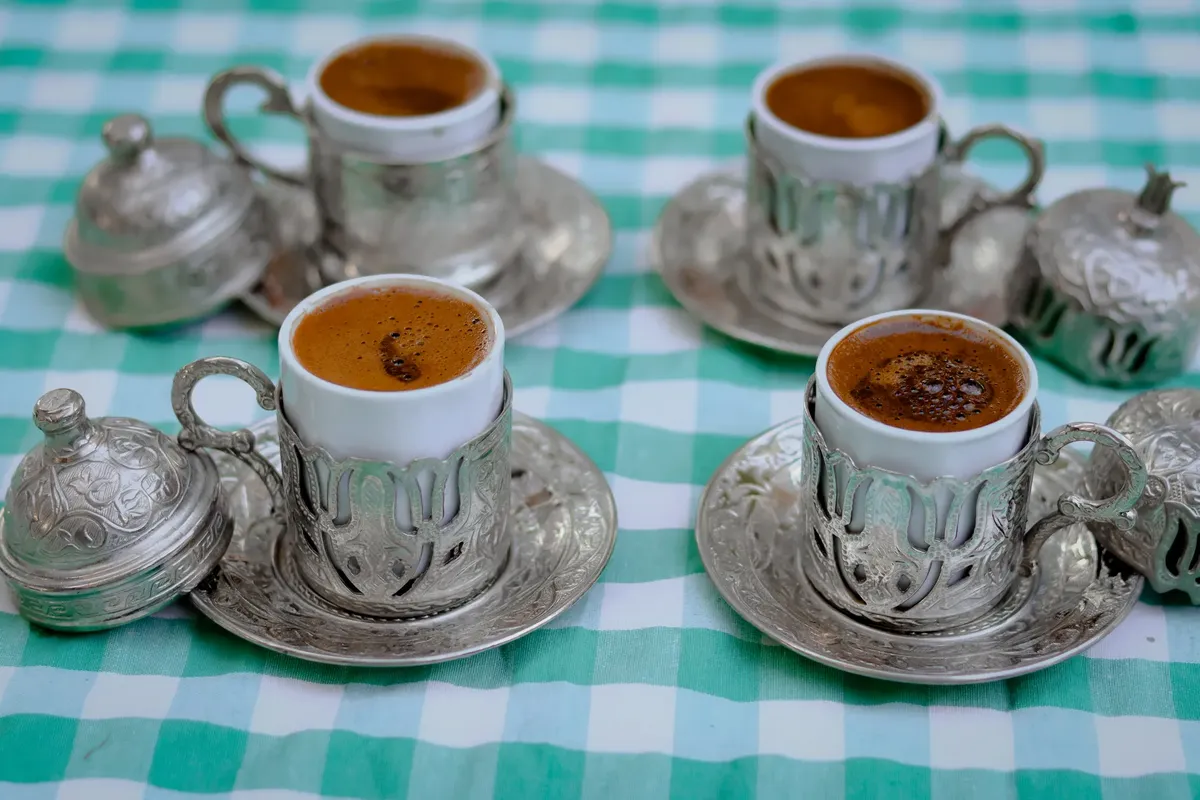
A host carefully pours dark, aromatic liquid into small cups, ensuring every guest receives their share with grace. The Middle East coffee ritual serves as a fundamental social pillar, blending sensory experience with deep-seated etiquette.
The preparation often involves lightly to heavily roasted Arabica beans, reaching temperatures between 165 to 210 °C (329 to 410 °F). These beans are frequently mixed with cardamom and sometimes flavored with cloves or saffron to create a unique profile.
This specific combination of flavors and techniques ensures that the beverage is not just a drink, but a sensory journey.
The ritual is defined by the specific sequence of pouring and serving to guests.
How does coffee hospitality impact the family?
At dusk, the elder reaches out to grasp the warm cup held in the middle of the crowded living room.
A young person enters a room and greets an elder, immediately accepting a small cup as a sign of mutual respect. Coffee hospitality is considered a moral duty by more than 94% of Saudi families.
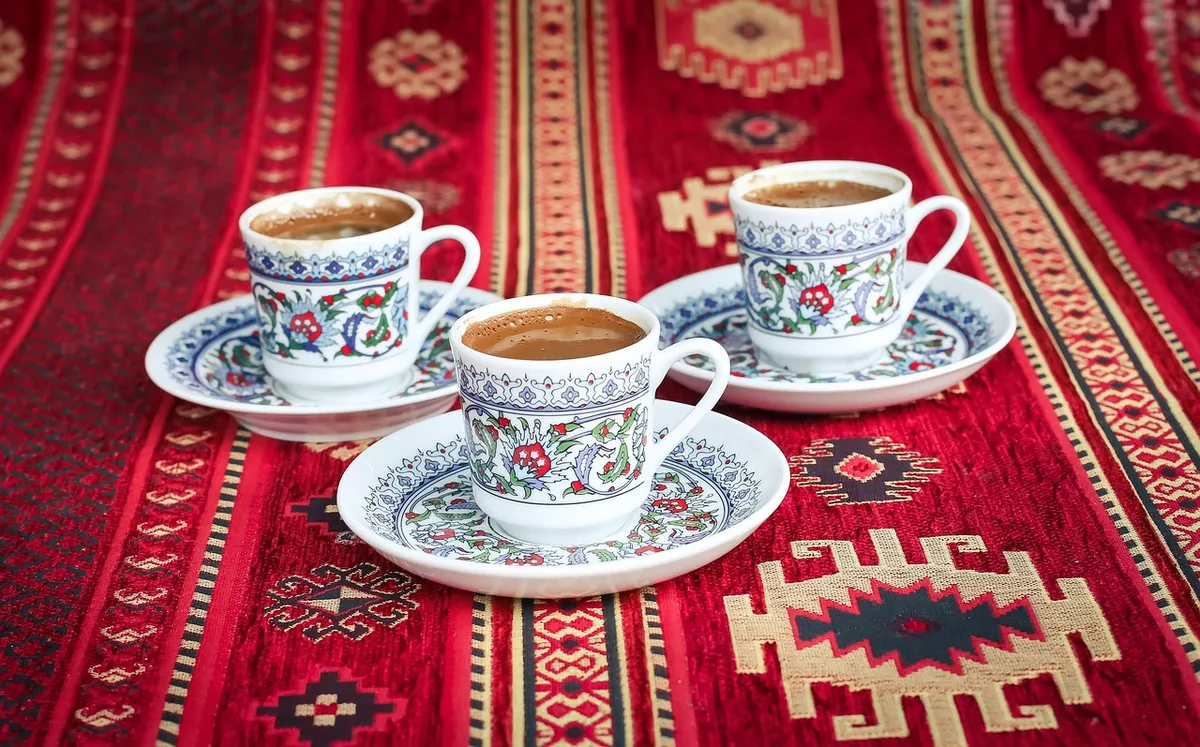
This duty fosters deep connections between different age groups. Nearly three-quarters of young people visit coffeehouses (maqha) every week, fostering connections across generations. These regular gatherings ensure that social bonds remain strong through the shared experience of the beverage.
In this sequence, the second step is the longest.
Why is Arabic coffee considered a heritage?
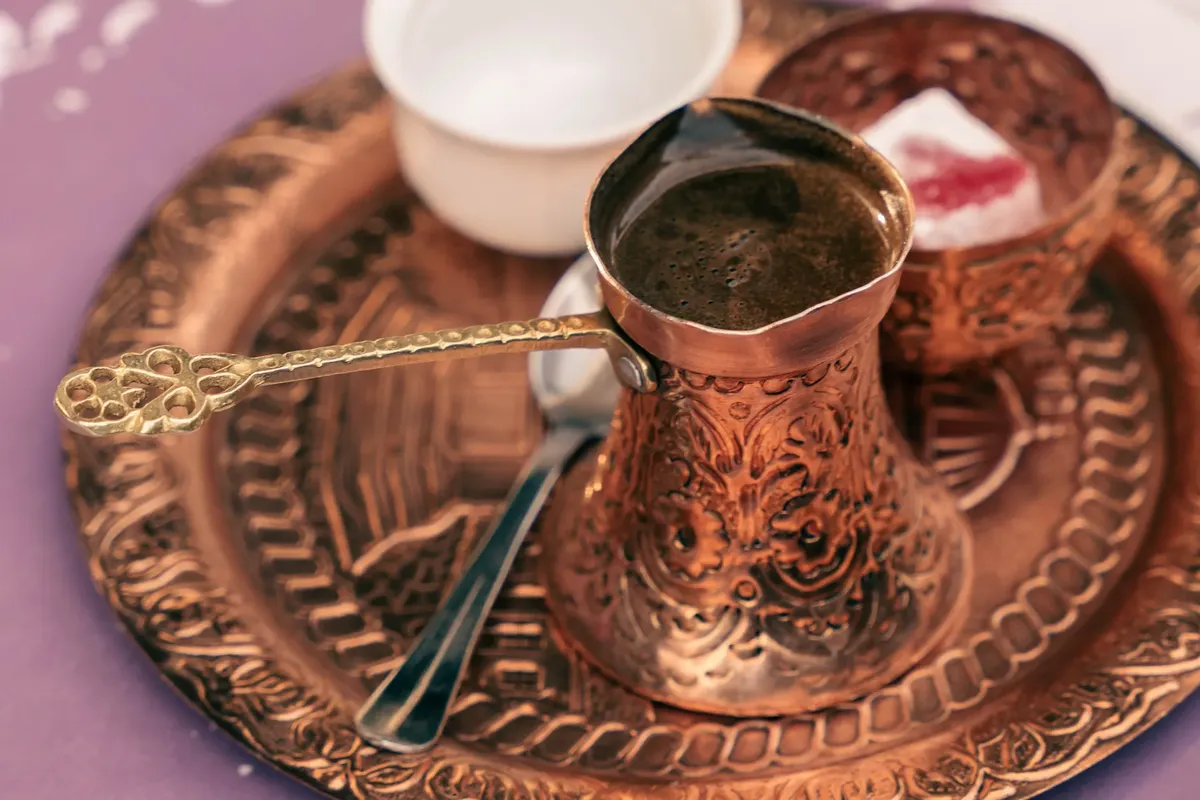
A museum curator looks at a traditional brass pot, noting the history etched into its metal surface. Arabic coffee is an Intangible Cultural Heritage of Arab states, confirmed by UNESCO.
The recognition highlights the importance of preserving coffee rituals while adapting them to contemporary lifestyles. This status ensures that the unique methods of preparation and serving are valued on a global stage.
The preservation of these customs helps maintain a link to the past in a rapidly changing world.
What are the steps for preparing traditional flavors?
A person carefully measures out spices, preparing the ingredients for a fresh batch of coffee. The tradition of coffee serving relies on precise roasting and flavoring to achieve the desired character.
- Roast Arabica beans within a temperature range of 165 to 210 °C (329 to 410 °F). 2. Mix the roasted beans with cardamom to establish a foundational aromatic profile. 3. Add secondary flavors like cloves or saffron to customize the brew for guests.
I remember watching the precise way the beans were handled during the roasting stage to ensure the heat was perfectly distributed.
- Roast the coffee beans until they reach a golden brown hue.
- Grind the beans into a fine powder.
- Boil the grounds with cardamom to infuse the aroma.
How does the coffee culture deep dive compare to other regions?
A traveler compares the heavy, spiced brews of the Middle East to the lighter coffee consumed in Northern Europe. While different regions have unique habits, the social weight of coffee varies significantly.
| Region | Characteristic |
|---|---|
| Northern Europe | Highest per-capita consumption (e.g., Finland at 12 kg per year) |
| Middle East | Strong focus on moral duty and ritualized hospitality |
The ritual focuses more on the social role of coffee than on sheer volume of consumption. While some regions prioritize high-volume consumption, the Middle East emphasizes the meaning of Arab coffee through ceremony.
Is there a limitation to this cultural overview?

A researcher notes that while the history is vast, the scope of this discussion is focused on specific ritualistic elements. The discussion is limited to the cultural and social aspects of coffee rather than the technicalities of agricultural production.
The same subject is also called Arab coffee ceremony.
The same subject is also called Middle eastern welcome.
The same subject is also called Hospitality coffee rite.
Meaning of Arab coffee
Related
- Roasting Guide: Achieve First Crack at 196 Celsius
- Caffeine Limits: How 400mg Affect Your Body's Health
How does the pouring ceremony reflect respect? The host’s deliberate action of pouring the steaming coffee into the small cups demonstrates profound regard for the assembled guests. This careful presentation is an enactment of the deep-seated etiquette integral to the Middle East coffee ritual. The host ensures that each guest receives their portion with grace, making the act itself a gesture of honor.
This choreographed dance of hospitality extends beyond merely providing a beverage; it solidifies the communal bond. The act of serving becomes a tangible manifestation of the host’s commitment to the gathering.
The dark, aromatic liquid represents the sincerity of the welcome offered to those present at the mahogany table.
What is the role of the coffeehouse in modern society?
The coffeehouse serves as much more than a simple gathering spot; it functions as a vital social hub in the Middle East. This establishment facilitates important exchanges, allowing individuals to connect across different walks of life.
The shared experience of the steaming coffee reinforces the communal bonds formed there.
This setting allows for the continuation of traditions, providing a neutral ground for conversation. The consistent presence of the maqha underscores the enduring value placed on face-to-face interaction. It is here that the deep etiquette surrounding the beverage is practiced and maintained.
The pursuit of shared understanding often occurs during these visits. The quiet ritual of pouring the coffee mirrors the gravity of the discussions taking place around the mahogany table.
Wikipedia: Middle Eastern Americans Based on the retained excerpt mentioning Initiated the International University of Iran: Rabi, scholar at the Center for International Development and Conflict Management at University of Maryland, College Park; founding chair of the Middle Eastern Citizens Assembly; Initiated the International University of Iran in 2001.







Comments 0