How are vegan coffee trends reshaping the cafe experience?
"The shifting landscape of morning rituals is moving away from traditional dairy toward plant-derived alternatives."
The rise of vegan coffee trends is driven by changing dietary needs and environmental considerations. This shift involves moving from dairy to plant-based milks like oat or soy to satisfy various consumer preferences.
Key takeaways: * Changing consumer habits are fueling the growth of plant-based beverage options. * Regulatory discussions regarding labeling terminology are ongoing between dairy and plant-based industries.
* Dietary needs, such as lactose intolerance, play a significant role in the selection of coffee additives.
How are vegan coffee trends reshaping the cafe experience?
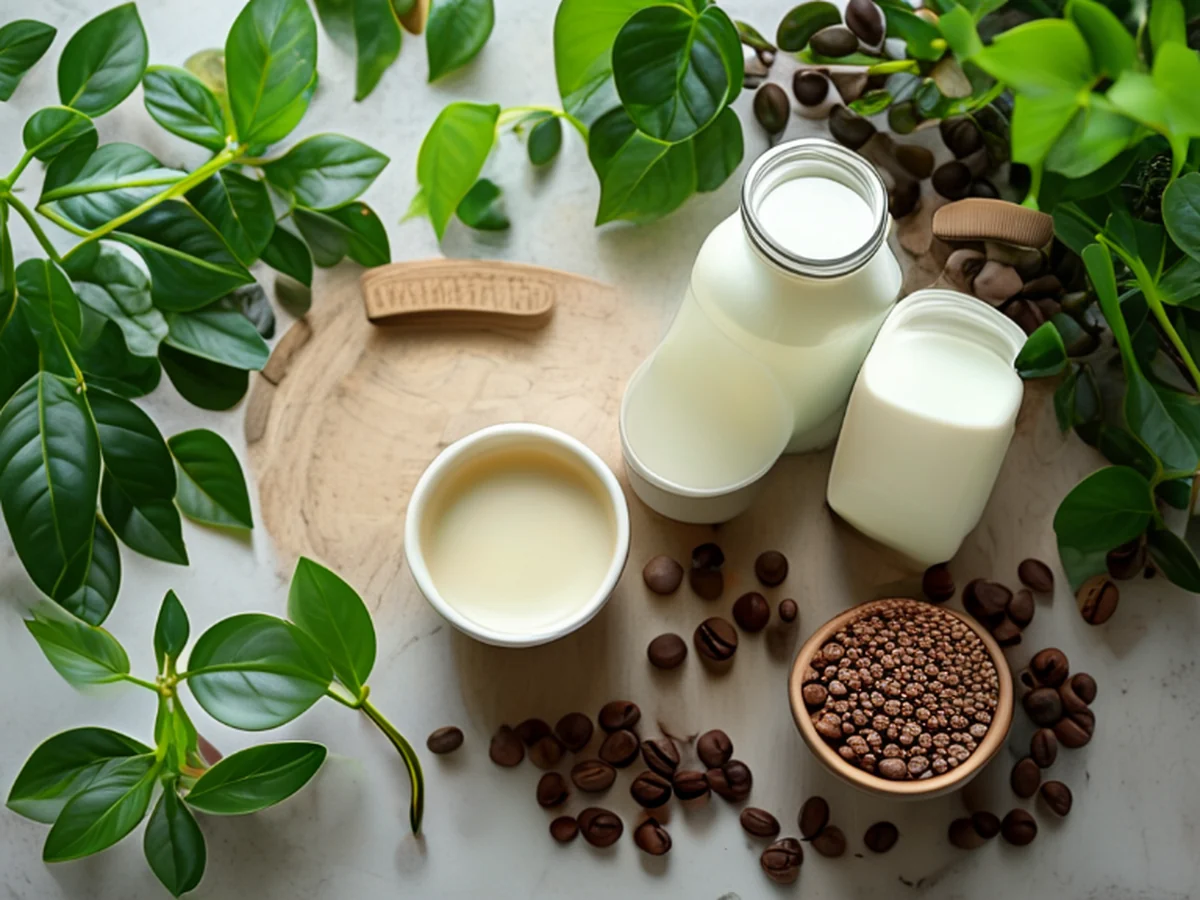
A barista pours creamy oat milk into a dark espresso shot, creating a swirling marbled effect in a glass mug. This visual transition represents the growing popularity of plant-based options in modern coffee shops.
The vegan coffee trends we see today are largely a response to diverse dietary requirements and a desire for different mouthfeels in beverages. While traditional dairy remains a staple for many, the expansion of the alt-drink market view allows for more variety in menu offerings.
This evolution changes how cafes manage inventory and how customers interact with their morning caffeine.
The transition is not merely a niche preference but a broad market shift. For many, a plant milk coffee trends movement provides a way to enjoy familiar flavors without traditional dairy.
This change affects everything from the texture of a latte to the availability of specialty ingredients in local shops.
- Curate a diverse selection of alternative milks.
- Design aesthetic menu layouts that highlight plant-based options.
- Train baristas on the specific frothing techniques for different nut and grain milks.
Why is the plant milk coffee trends movement growing?
A customer scans a menu, looking past the standard dairy options to find a creamy almond or soy alternative. They select a plant-based drink, seeking a specific texture or nutritional profile.
A primary driver for the plant milk coffee trends movement is the prevalence of dietary restrictions such as lactose intolerance. For instance, in Australia, intolerance affects 4.5% of the population, creating a natural demand for non-dairy alternatives.
People often seek these options to avoid the digestive discomfort associated with cow's milk.
Beyond health, the alt-drink market view is influenced by sustainability and ethical considerations. Many consumers choose plant-based milks to reduce their environmental footprint. This shift ensures that more diverse dietary needs are met within the coffee industry.
In this sequence, the second step is the most significant.
What are the regulatory challenges for the vegan coffee rise?
Late at night, a lawyer rubs their eyes while reading thick documents about the legal hurdles facing the vegan coffee rise in a quiet office.
A legal professional reviews a document regarding food labeling standards, noting the tension between different food producers. The debate centers on how much a product can be called "milk" when it does not come from a cow.
According to the National Coffee Association, 70% of boomers drink coffee every day, which outdoes all the other existing generations.
The vegan coffee rise has faced scrutiny regarding how these products are labeled. In 2018, FDA commissioner Scott Gottlieb stated that the term "milk" is used imprecisely in the labeling of non-dairy beverages, noting that an almond does not lactate.
This sparked significant debate between traditional dairy producers and plant-based manufacturers.
The US National Milk Producers Federation petitioned the FDA in 2019 to restrict labeling, suggesting these products be described as "imitation." In response, the Plant-Based Foods Association stated the word "imitation" was disparaging and argued there was no evidence that consumers were misled by current labeling.
| Labeling Issue | Argument Summary |
|---|---|
| Dairy Industry Petition | Requested restrictions to prevent consumer confusion regarding "milk" terminology. |
| Plant-Based Association | Argued that "imitation" labels are disparaging and consumers are not misled. |
I observed this tension when reading through various industry reports where the term "milk" became a central point of contention.
How can consumers navigate the plant-based beverage boom?
A shopper stands in a grocery aisle, comparing the nutritional labels of different plant-based cartons. They check the protein and fat content to ensure the choice fits their daily diet.
Navigating the plant-based beverage boom requires understanding the nutritional differences between various alternatives. While these drinks offer variety, they are not identical to dairy in composition. For example, different plant milks provide varying levels of calcium, protein, and fats.
To choose effectively, consider these steps: 1. Check the nutritional label for protein and calcium levels to match your dietary needs. 2. Verify the ingredient list to identify any added sugars or stabilizers. 3. Evaluate the texture and flavor profile to ensure it complements your coffee.
One limitation of these alternatives is that they may not provide the same nutritional density as cow's milk for certain age groups.
For instance, a 2022 review suggested that for toddlers (1–3 years old) who do not consume cow's milk, the best option would be to have at least 250 mL/day of fortified soy milk.
What is the future of coffee market potential?
A business owner looks at a spreadsheet of rising sales figures for oat and almond-based products. They plan their next order to meet the increasing demand for non-dairy ingredients.
The future of coffee market potential seems closely tied to the continued success of plant-based innovations. As more people adopt vegan or dairy-free lifestyles, the demand for high-quality, creamy plant milks will likely grow.
This ensures a wider variety of specialized products for coffee enthusiasts.
The expansion of the plant-based beverage boom is also driven by technological improvements in how these milks are produced. Better extraction methods lead to better-tasting coffee additives. This technological progress helps bridge the gap between traditional dairy and plant-based alternatives.
The same subject is also called Alt drink market view.
The same subject is also called Consumer drink shift.
This part also covers Dairy alternative drinks.
Related



Comments 0