Yunnan Coffee: China's High-Mountain Beans in Your Cup
Yunnan Coffee: China's High-Mountain Beans in Your Cup
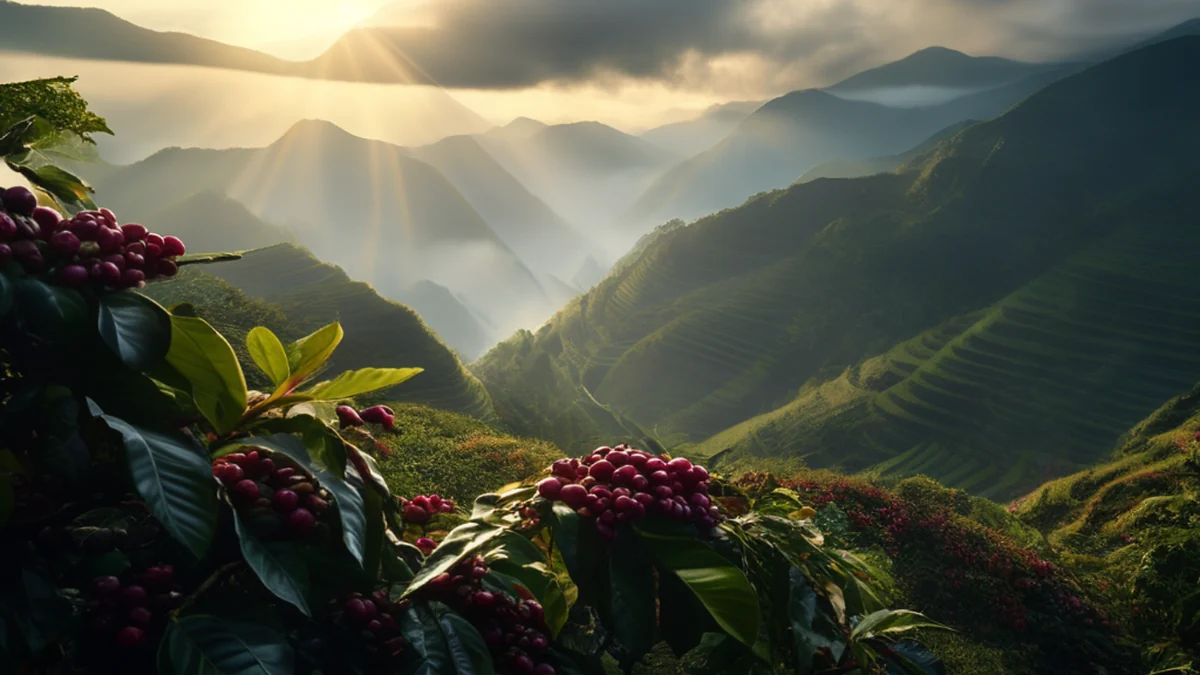
Most drinkers still think of China as a tea nation, but the espresso in your next flat white may have started on a mist-wrapped ridge in southwest Yunnan. The province grows roughly 98% of all Chinese coffee, and in 2024 it exported 32,500 tonnes of beans — a 358% jump year-on-year, shipping to more than 30 countries including Germany, the United States and Vietnam (People's Daily). For US and UK roasters chasing the next distinctive single origin, Yunnan has quietly become one of the most interesting names to say out loud.
This is not a story about cheap commodity filler. It's about a young origin climbing the quality ladder faster than almost anyone expected — and doing it in a place better known for Pu'er tea than for arabica.
In this guide
- Where Yunnan coffee comes from and why the terroir works
- How fast specialty quality is actually rising (with the numbers)
- What Yunnan coffee tastes like in the cup
- Who is buying it — from Starbucks to independent roasters
- FAQ and a quick key-summary box
Where does Yunnan coffee actually grow?
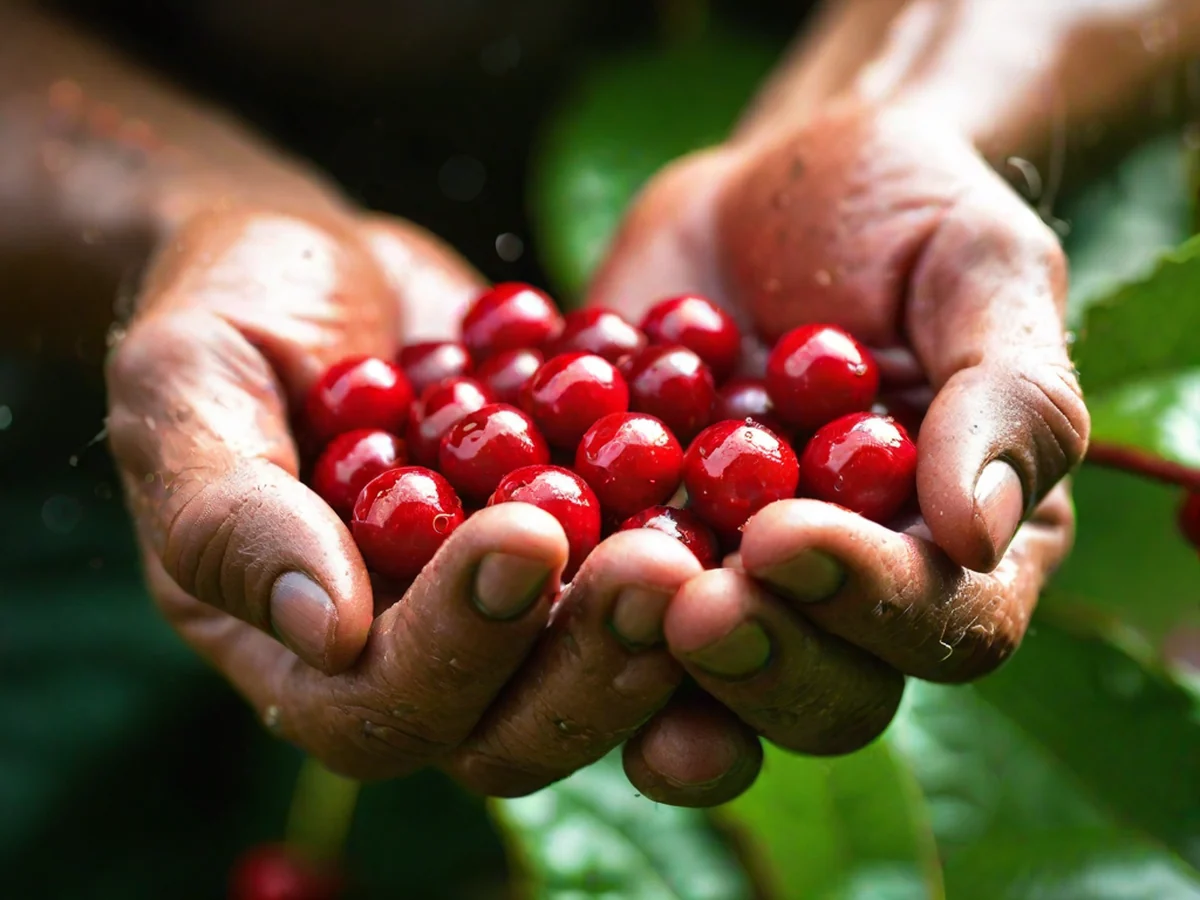
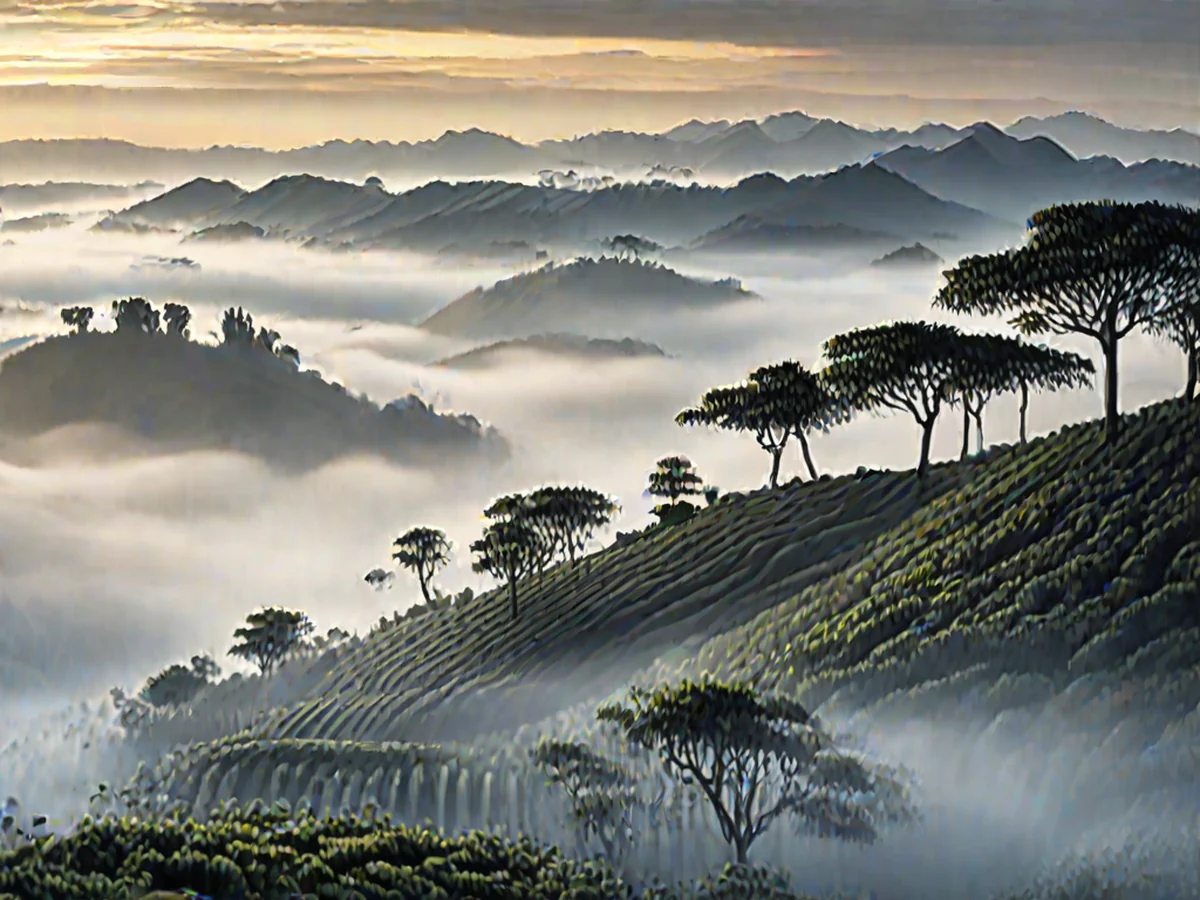
Nearly all of it comes from the south and west of the province, with Pu'er — often called "China's coffee capital" — supplying about half the harvest. The growing belt sits between roughly 1,000 and 1,600 metres, where warm days, cool nights and monsoon mist mimic the high-altitude conditions of classic Latin American and East African origins.
The crop is overwhelmingly arabica; in the 2020–21 season China ranked as the world's ninth-largest arabica producer, with 99% of that grown around Pu'er, yielding about 1.8 million 60-kg bags. If you've ever compared it side by side with an Ethiopian Yirgacheffe's floral lift or the earthy body of a Sumatra Mandheling, you'll notice Yunnan sits somewhere in between — and that middle ground is exactly why buyers are curious.
How fast is Yunnan's quality really improving?
Remarkably fast. The clearest signal is the specialty ratio: the share of Yunnan beans grading as specialty rose from just 8% in 2021 to 31.6% by the end of 2024. Over the same window, the deep-processing rate — beans turned into higher-value roasted and finished products rather than sold as raw green — climbed from 20% to 80%.
| Metric | 2021 | End of 2024 |
|---|---|---|
| Specialty coffee ratio | 8% | 31.6% |
| Deep-processing rate | 20% | 80% |
| Annual export volume | — | 32,500 t (+358% YoY) |
| Share of China's coffee output | ~98% | ~98% |
That kind of quality curve usually takes an origin a generation. Yunnan did the heavy lifting in about three years — driven by washed and honey processing, better cherry sorting and a wave of younger producers treating coffee as craft rather than bulk. Prices reflect it too: raw green bean prices in the province rose from about 40 yuan (US$5.60) per kilo in late 2024 to as high as 66 yuan by May 2025, tracking a 50-year high in global coffee futures.
What does Yunnan coffee taste like?
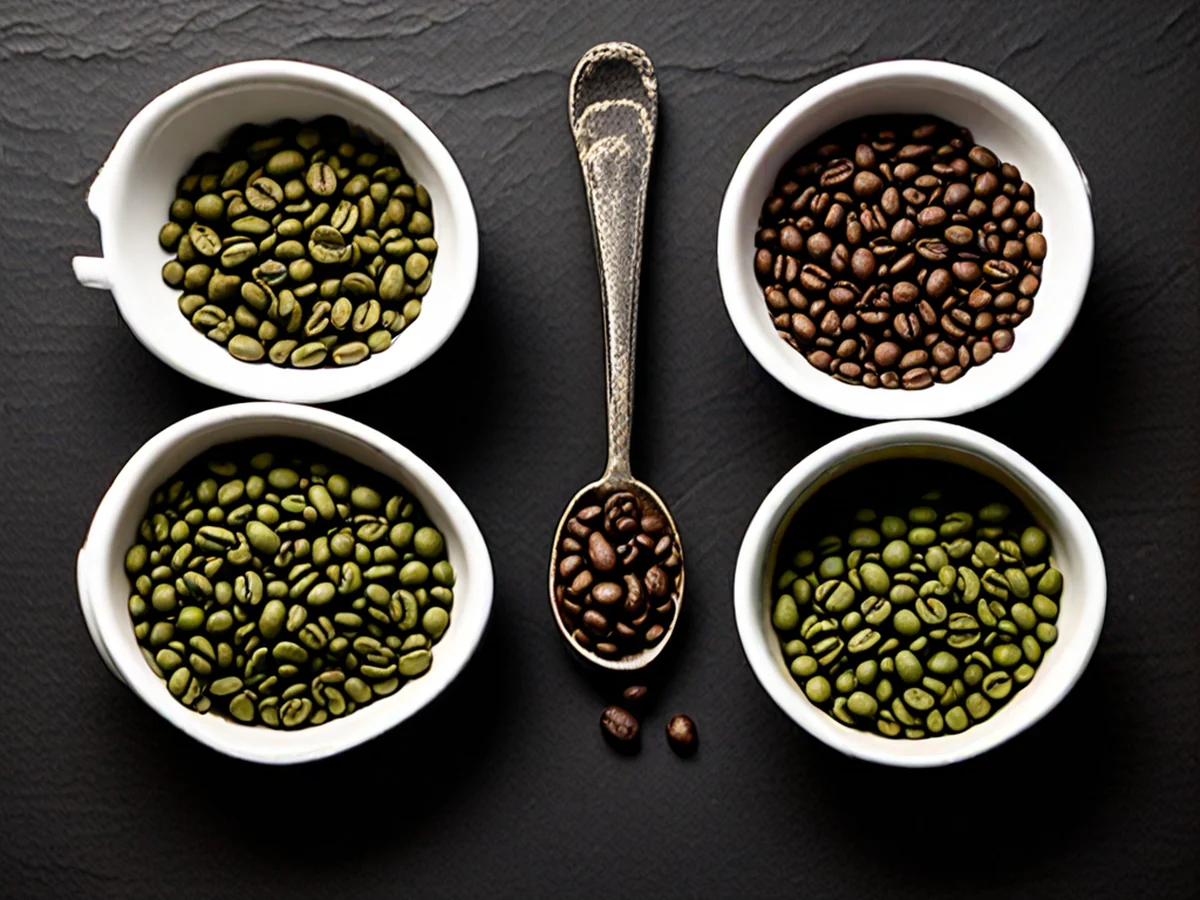
Expect a medium body with gentle acidity, notes of caramel, dark chocolate, toasted nuts and often a soft stone-fruit or citrus edge in the washed lots. It's approachable rather than wild — closer to a balanced Central American than a punchy natural African — which makes it an easy pour-over for newcomers and a flexible base for milk drinks. Honey-processed micro-lots push sweeter and fruitier, and it's those lots that keep landing on specialty menus abroad.
Because it drinks so cleanly, it also works beautifully in the home-brewing methods we compare here, where its clarity really shows on a paper filter.

Who is actually buying Yunnan coffee?
Both giants and independents. Starbucks has worked in Yunnan since establishing a farmer support centre there in 2012, and in 2017 it launched its first single-origin Yunnan coffee after years of partnership with local growers. Domestic heavyweights Nestlé and Luckin source heavily from Pu'er, while a new class of Western specialty roasters now buys micro-lots directly. In the first eight months of 2025, Yunnan's coffee and coffee-product exports reached 7.7 billion yuan (about US$1.1 billion). The trajectory is unmistakable: a region that once shipped anonymous commodity beans is now selling traceable, named lots to the same cities — Seattle, London, Berlin — that set global coffee taste.
Frequently asked questions
Is Yunnan coffee arabica or robusta? It is almost entirely arabica, mostly Catimor and related varieties grown at 1,000–1,600 m. Robusta exists in China but plays a tiny role compared with Yunnan's arabica-dominated output.
Why does China grow coffee in a tea region? Pu'er's climate — high altitude, monsoon mist, warm days and cool nights — happens to suit arabica as well as tea. Coffee arrived via missionaries in the late 19th century and scaled up from the late 1980s with support from Nestlé and, later, Starbucks.
Is Yunnan coffee considered specialty grade? Increasingly, yes. As of end-2024, 31.6% of Yunnan's output graded as specialty, up from 8% in 2021 — one of the fastest quality climbs of any origin in the world.
How does Yunnan coffee compare to Ethiopian or Colombian? It's more balanced and less intense than a floral Ethiopian, and comparable in approachability to a mild Colombian, with caramel-chocolate-nut notes and gentle acidity. Honey-processed lots lean fruitier.
Where can I buy Yunnan coffee outside China? Specialty roasters in the US, UK and Germany now carry single-origin Yunnan lots, and Starbucks has offered Yunnan single origins internationally. Look for "Pu'er" or "Yunnan" on the origin label.
Key summary
The short version > - Yunnan grows ~98% of China's coffee, centred on Pu'er, "China's coffee capital." > - Specialty grade jumped from 8% (2021) to 31.6% (2024); deep-processing hit 80%. > - 2024 exports: 32,500 t, +358% YoY, to 30+ countries. > - Flavour: balanced, medium body, caramel-chocolate-nut, gentle acidity — great for pour-over and milk drinks. > - Buyers range from Starbucks (in Yunnan since 2012) and Nestlé to independent Western roasters. > - Bottom line: a young origin climbing the quality ladder faster than almost anyone predicted — worth seeking out.

Comments 0