Coffee Roast Guide: Find Your Perfect Flavor (Light to Dark)
# Coffee Roast Guide: Find Your Perfect Flavor (Light to Dark)
*✍️ Brian Griffin · editor*
Find Your Perfect Cup: A Guide to Coffee Roasts (Light to Dark)
Ever wonder why one coffee tastes bright and fruity while another is bold and chocolatey? It’s not just the beans – it's the roast level. Knowing your preference unlocks a world of coffee enjoyment, and frankly, it's easier than you think. This guide will walk you through the five main roast levels, explaining how they affect flavor and helping *you* discover your ideal cup.
Why Does Roast Level Matter?
Roasting isn’t just about making beans brown; it's a chemical transformation. Heat brings out flavors, impacts acidity and body, and ultimately defines the coffee’s personality. The roast level dictates which flavors dominate – those inherent to the bean's origin or those created *by* the roasting process. It’s a fascinating interplay, and understanding it is key to truly appreciating coffee.
The Five Main Roast Levels – Explained
Coffee roasts generally fall into five categories: Light, Light-Medium, Medium, Medium-Dark, and Dark. Let's break down each one:
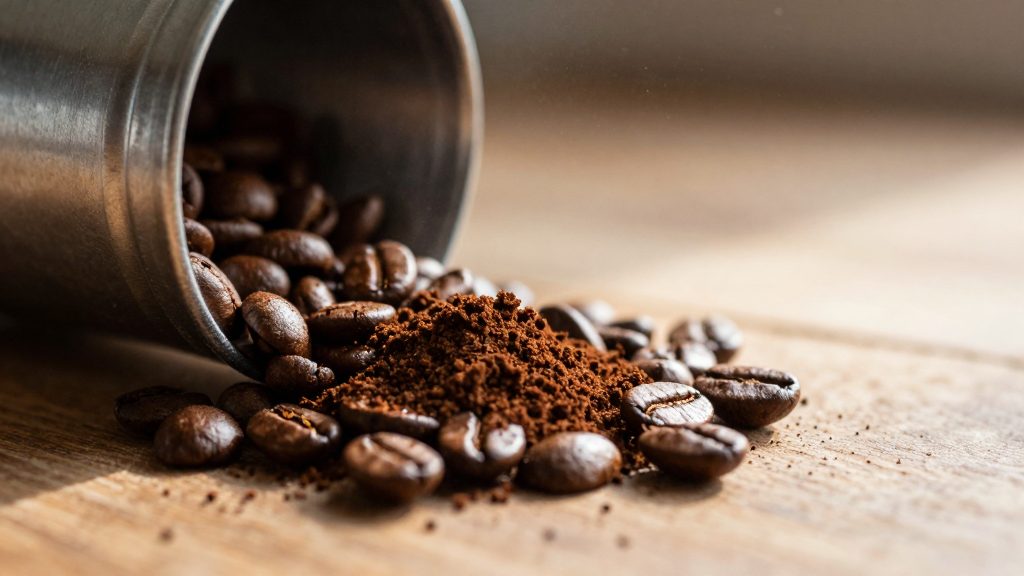
1. Light Roast: Think bright, vibrant acidity. Light roasts retain more of the bean’s original characteristics – often exhibiting floral or fruity aromas and tasting notes. The body is lighter, almost tea-like. *Think Ethiopian Yirgacheffe*. 2. Light-Medium Roast: A nice balance! You’ll find a bit more body than with a light roast, while still retaining prominent acidity and bright flavors. Expect notes of citrus or berries alongside subtle caramel undertones. *Good for pour-over methods*. 3. Medium Roast: This is the most popular roast level because it offers a balanced experience. You get both the origin flavors *and* some roasting notes (like chocolate or nuts). The body is medium, making it versatile for most brewing methods. *A classic choice for everyday coffee*. 4. Medium-Dark Roast: Stepping up the intensity, medium-dark roasts have a fuller body and bolder flavor. You’ll start to notice more of the roasting process influences – think dark chocolate or caramel with a hint of spice. *Excellent for lattes and cappuccinos*. 5. Dark Roast: The boldest of the bunch! Dark roasts prioritize intense flavors created during roasting: smoky, bittersweet chocolate, and sometimes even a hint of burnt sugar. The body is heavy, often with a lingering finish. *Popular for espresso*.
Here's a quick reference table:
| Roast Level | Acidity | Body | Flavor Profile | Best For… |
|---|---|---|---|---|
| Light | High | Light | Floral, Fruity, Citrusy | Drip Coffee, Exploring Origin Flavors |
| Light-Medium | Medium | Light-Medium | Bright Fruit, Caramel | Versatile Brewing Methods |
| Medium | Balanced | Medium | Chocolate, Nutty, Balanced | Everyday Coffee, All-Purpose Brewing |
| Medium-Dark | Moderate | Full | Dark Chocolate, Spice | Lattes, Cappuccinos |
| Dark | Low | Heavy | Smoky, Bittersweet Chocolate | Espresso, Bold Flavor Preference |
Does Roast Level Affect Caffeine?
This is a common question! Contrary to popular belief, roasting doesn’t dramatically increase caffeine levels. While a *volume-based* scoop of light roast beans may contain slightly more caffeine (because the beans are denser), weight-for-weight, the caffeine content is fairly similar across all roast levels. The roasting process can actually *reduce* caffeine slightly.
How to Find *Your* Perfect Roast
Start with a medium roast. It's a good baseline! Then, experiment: try a light roast to experience brighter acidity or a dark roast for boldness. Don’t be afraid to branch out! Coffee shops often offer tasting notes and can guide you based on your preferences.
Tip: Buy small batches of different roasts to avoid commitment until you find a few favorites.
Frequently Asked Questions (FAQ)
### Question? Is light roast coffee weaker than dark roast? A. Not necessarily! “Weak” can mean different things, but light roasts generally have more nuanced flavor and acidity. It's a difference in *flavor profile*, not necessarily strength.
### Question? Is dark roast better for espresso? A. Traditionally, yes. Dark roasts produce a thicker crema and bolder flavor that many espresso drinkers prefer. However, medium-dark roasts are also becoming increasingly popular for espresso, offering a more balanced taste.
### Question? How should I store my roasted coffee beans to keep them fresh? A. Store in an airtight container, away from light, heat, and moisture. Buying freshly roasted beans (within the last 2 weeks) is key!
Key Takeaways
- Roast level profoundly impacts flavor, acidity, body, and aroma.
- Start with a medium roast to establish a baseline.
- Don't worry about caffeine – the difference is minimal.
- Experiment to find *your* perfect cup!
- Buy freshly roasted beans and store them properly.
Final Thoughts
Finding the perfect coffee roast is a journey of exploration. Don’t be afraid to try different origins and roasts until you discover the flavors that truly speak to you. It’s a delicious adventure – so go ahead, brew something wonderful!
Reference Sources
- Verena Street: https://verenastreet.com/blogs/coffee-education/what-is-the-difference-between-light-medium-and-dark-roast-coffee
- GEVI: https://gevi.co/blogs/coffee-blog/roast-levels
- Koffee Kult: https://www.koffeekult.com/blogs/news/coffee-roast-levels
<!-- meta-keywords: coffee roast levels, choosing coffee roast date, light vs dark roast, fresh roasted coffee beans, coffee flavor by roast, best coffee roast for beginners, understanding coffee roast profiles, ideal roast date for freshness, fruity vs chocolatey coffee, coffee roasting guide -->
Popular posts
5 Coffee Roast Levels Explained: A Beginner's Guide to Flavor & Strength
7 Essential Techniques for Latte Art That Even Beginners Can Master in 5 Minutes.
Comments 0