Skip to content
Coffee Types & Formats

Decaf vs Instant vs Capsule vs RTD Coffee: 2026 Guide
All Coffee Editorial team · Sophia · 2026.07.02 · Reading time 26min read · Views 1 ·
Key — A no-fluff, data-backed breakdown of the four fastest-growing convenience coffee formats in the US—decaf, instant, capsule, and ready-to-drink. Caffeine numbers
Decaf vs Instant vs Capsule vs RTD Coffee: 2026 Guide

# Decaf vs Instant vs Capsule vs RTD Coffee: 2026 Guide

Four coffee formats side by side on a concrete counter: a glass of pale decaf brew, a spoon of instant crystals, a metallic espresso capsule, and a sweating canned cold coffee

Decaf strips out 97%+ of caffeine, instant dissolves in seconds, capsules deliver café-style espresso at the push of a button, and RTD (ready-to-drink) means chilled coffee straight from the can. Each trades something—flavor, speed, cost, or caffeine—so the best pick depends on your morning, not marketing.

What's in this guide

  • [The 30-second comparison table](#comparison-table)
  • [Decaf: coffee without the jolt](#decaf)
  • [Instant: the quiet comeback](#instant)
  • [Capsules & pods: the countertop café](#capsules)
  • [RTD: coffee that skips the kitchen](#rtd)
  • [Which format should you actually buy?](#which)
  • [FAQ](#faq)
  • [Key takeaways](#takeaways)

<a id="comparison-table"></a> ## The 30-second comparison table

Here is every format measured on the numbers Americans actually care about in 2026. Caffeine and cost figures are per typical serving; market sizes are US 2024.

FormatCaffeine / servingPrep timeCost per cupPantry shelf lifeUS market size (2024)
Decaf (brewed)2–7 mg3–5 min$0.20–0.403–5 monthsfolded into a ~$100B US coffee market
Instant30–90 mg~15 sec$0.10–0.252–20 years~12% of global coffee volume
Capsule / pod60–120 mg~30 sec$0.60–1.108–12 months~$5.4B US pods & capsules
RTD (canned)100–200 mg0 (grab & go)$2.50–4.509–12 months~$6.46B US RTD coffee

The single-serve habit is now mainstream: roughly 49% of US households own a single-serve brewing system, per Emergen Research's US pods and capsules report. That one data point explains why capsules and RTD are pulling ahead of the drip machine.
Decaf vs Instant vs Capsule vs RTD Coffee: 2026 Guide

<a id="decaf"></a> ## Decaf: coffee without the jolt

Decaf is not caffeine-free—it's caffeine-*reduced*, and the regulators put a hard ceiling on it. In the EU, a product can only be sold as "decaffeinated" soluble coffee if anhydrous caffeine stays at or below 0.3% by dry weight, written into EU Directive 1999/4/EC. Roasted decaf beans are held even tighter at 0.1%, which is why the [Swiss Water process](/swiss-water-process-decaf-explained) advertises 99.9% caffeine removal.

In a real cup that lands around 2–7 mg of caffeine versus 95 mg in a standard drip—less than you'd get from a bar of dark chocolate. The trade-off is subtle: decarbonating and solvent or water extraction shave off some of the volatile aromatics, so decaf can taste rounder and flatter than its caffeinated twin. Modern CO₂ and Swiss Water methods have narrowed that gap dramatically, and specialty roasters now sell single-origin decaf that holds its own on a [pour-over](/pour-over-coffee-brewing-guide).

Who it's for: late-afternoon drinkers, pregnancy, acid-reflux and heart-rate sensitivity, and anyone who loves the *ritual* more than the stimulant.

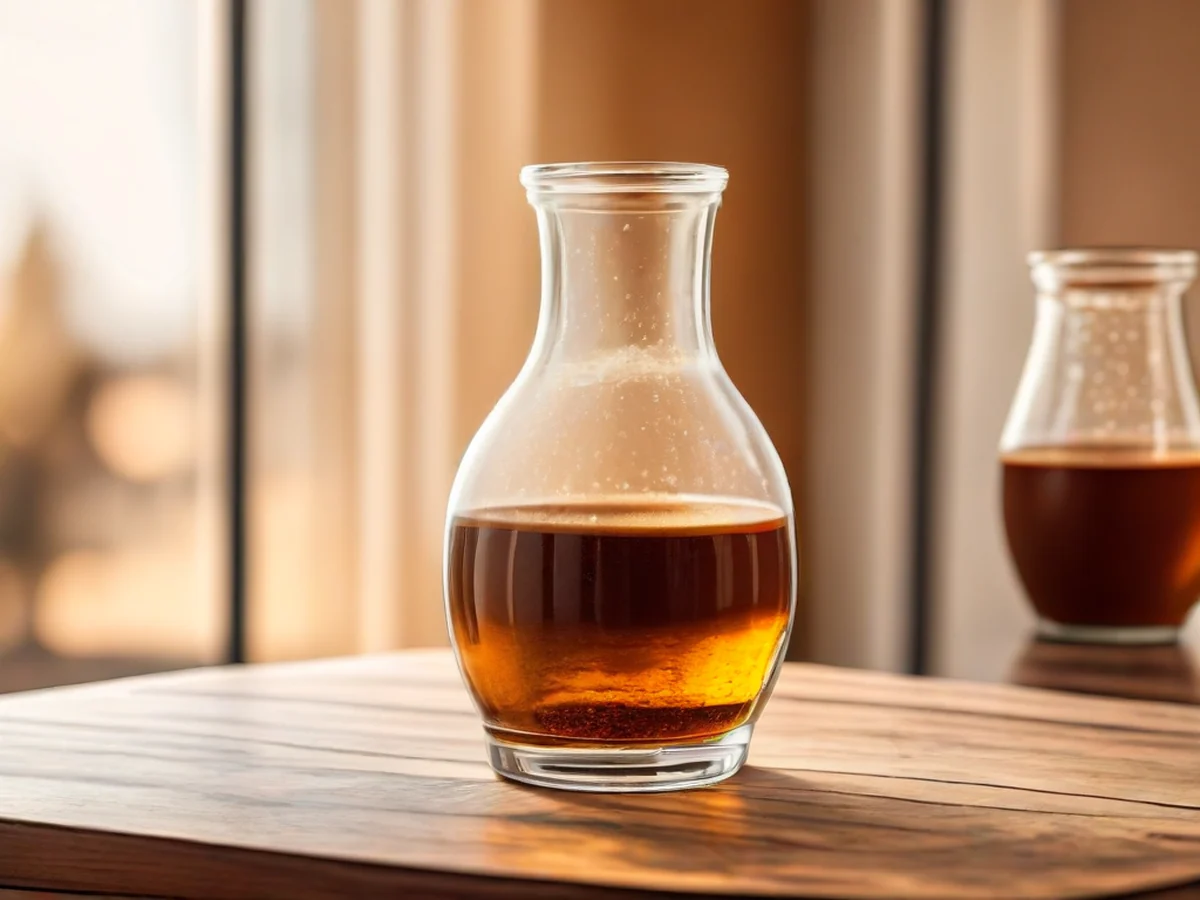
Close-up of a glass carafe of freshly brewed decaf coffee on a sunlit wooden table, gentle steam rising, warm amber tones, shallow depth of field with soft morning light from the left

<a id="instant"></a> ## Instant: the quiet comeback

Instant coffee spent decades as the punchline of the coffee world—and then quietly became a premium category. Globally it already accounts for roughly 12% of all coffee consumed, and in some markets it dominates outright: instant makes up over 55% of coffee consumption in Japan and around 38% of UK adults drink it daily, according to Grand View Research's instant coffee analysis.

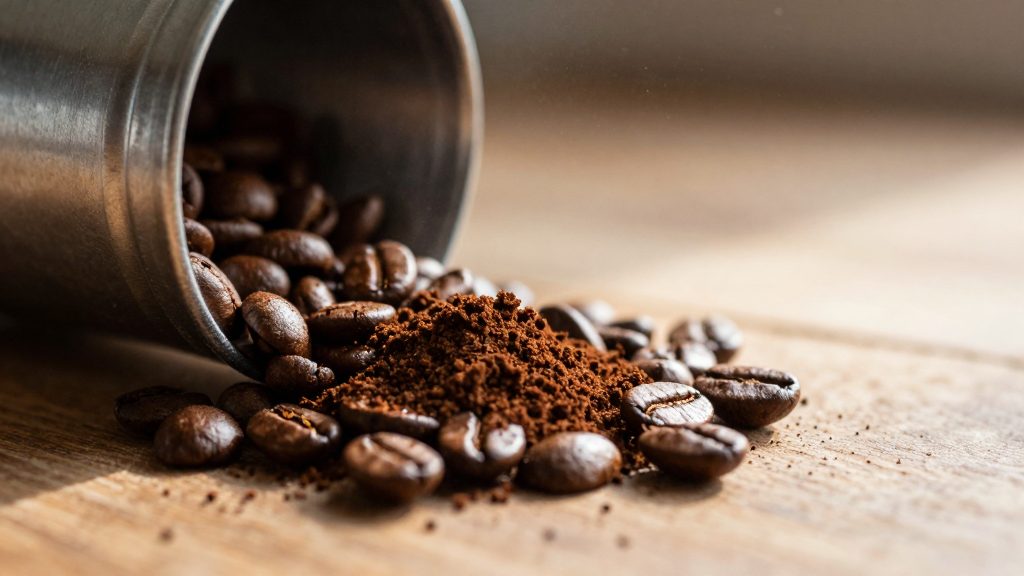
What changed is the tech. Freeze-dried micro-lots and specialty instant sachets from third-wave roasters use single-origin beans and lower-temperature drying that preserves far more aroma than the old spray-dried granules. The result: a cup that clears the "emergency only" bar for a lot of drinkers, at $0.10–0.25 a cup and a shelf life measured in *years*.

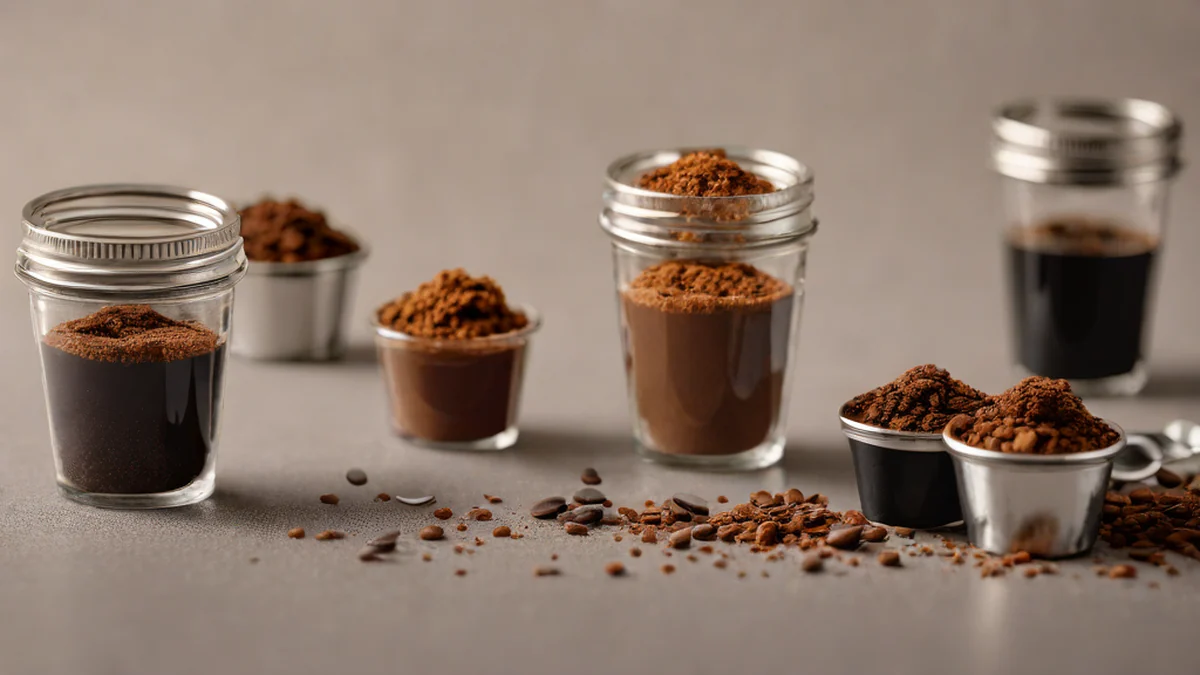
Instant is also the champion of caffeine control—scoop more or less and you dial the strength precisely, which is impossible with a sealed pod.
Decaf vs Instant vs Capsule vs RTD Coffee: 2026 Guide

Who it's for: campers, dorm rooms, office desks, travelers, and Gen Z home baristas who use it as an ingredient (whipped dalgona, coffee protein shakes, tiramisu).

<a id="capsules"></a> ## Capsules & pods: the countertop café

Capsules solved the one thing home coffee could never nail: repeatability. Every pod is a factory-calibrated dose of ground coffee, tamped and sealed under nitrogen, so cup #400 tastes like cup #1. That consistency is why the US pods and capsules market hit roughly $5.4 billion in 2024 and is projected to reach $9.2 billion by 2034 in the same Emergen Research data.

There are two families worth separating:

  • Espresso capsules (Nespresso-style, aluminum): pressurized extraction, real crema, 60–90 mg caffeine.
  • Soft pods & K-Cup-style (drip-through): larger volume, milder body, closer to filter coffee.

The catch is cost and waste. At $0.60–1.10 a cup you're paying a 3–5x premium over instant, and single-use capsules generate a stream of aluminum and plastic. Aluminum pods are widely recyclable through brand take-back programs, and refillable stainless-steel capsules now let you load your own grounds—handy if you're chasing a [single-origin espresso](/single-origin-espresso-guide) profile without the per-pod markup.

Who it's for: people who want espresso-bar consistency with zero skill, small households, and offices.

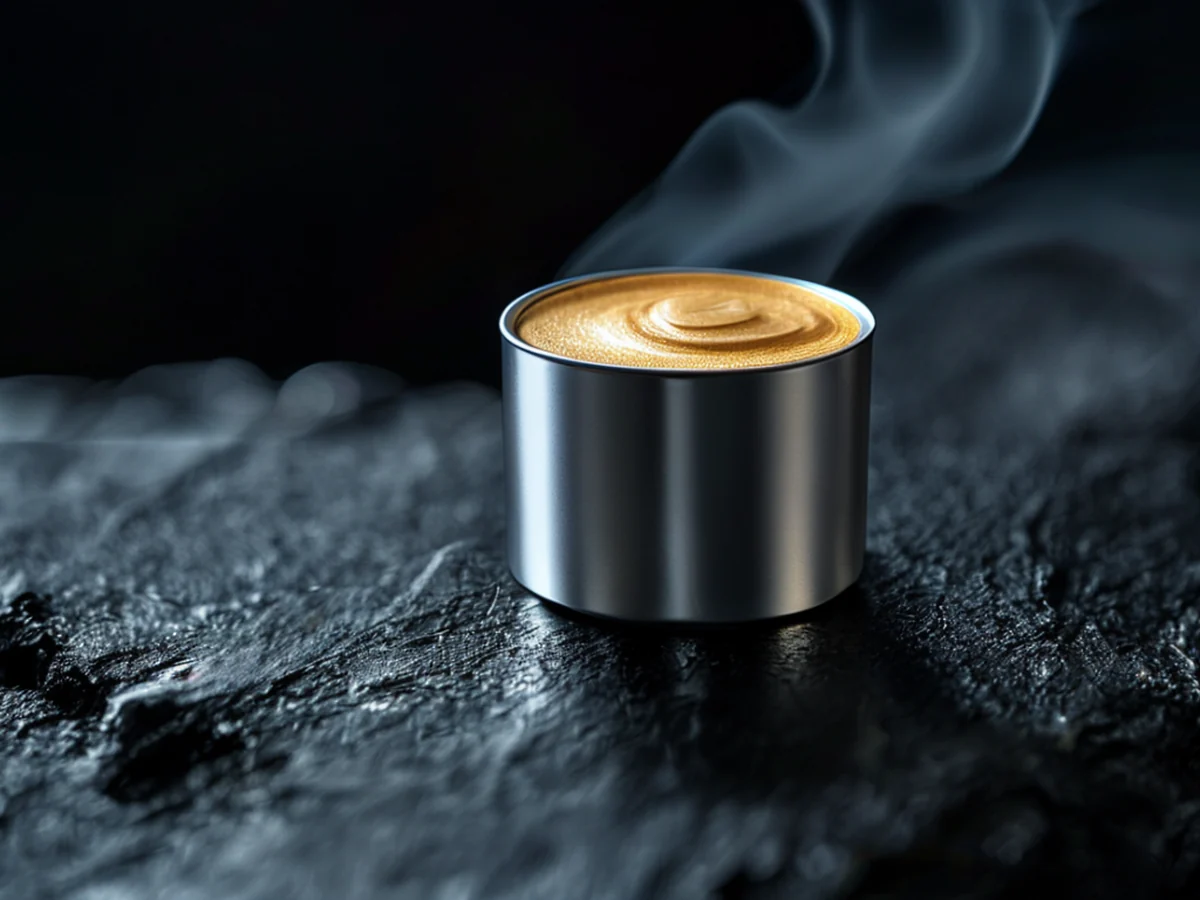
A single silver aluminum espresso capsule standing upright on a dark slate surface, dramatic side lighting catching the ribbed metal texture, a thin ribbon of crema-colored steam, moody high-contrast product shot with deep shadows

<a id="rtd"></a> ## RTD: coffee that skips the kitchen

Decaf vs Instant vs Capsule vs RTD Coffee: 2026 Guide

Ready-to-drink is the fastest-moving format in American coffee. The US RTD coffee market reached $6.46 billion in 2024 and is forecast to hit $8.61 billion by 2029, a 5.92% CAGR—growth driven almost entirely by younger, convenience-first drinkers.

RTD covers a lot of ground: shelf-stable canned lattes, refrigerated cold brew, [nitro cold brew](/nitro-cold-brew-vs-cold-brew) on tap in a can, and protein-and-oat-milk hybrids that read more like a functional beverage than a coffee. Caffeine runs high—100–200 mg per can—and often unpredictable, since it depends on the brew concentration and can size rather than a standard scoop.

What you pay for is *zero effort*: no grinder, no machine, no cleanup, cold and ready in your hand. What you give up is freshness and price efficiency, at $2.50–4.50 per can.

Who it's for: commuters, gym-goers, and the cold-coffee-year-round crowd who'd rather grab than brew.

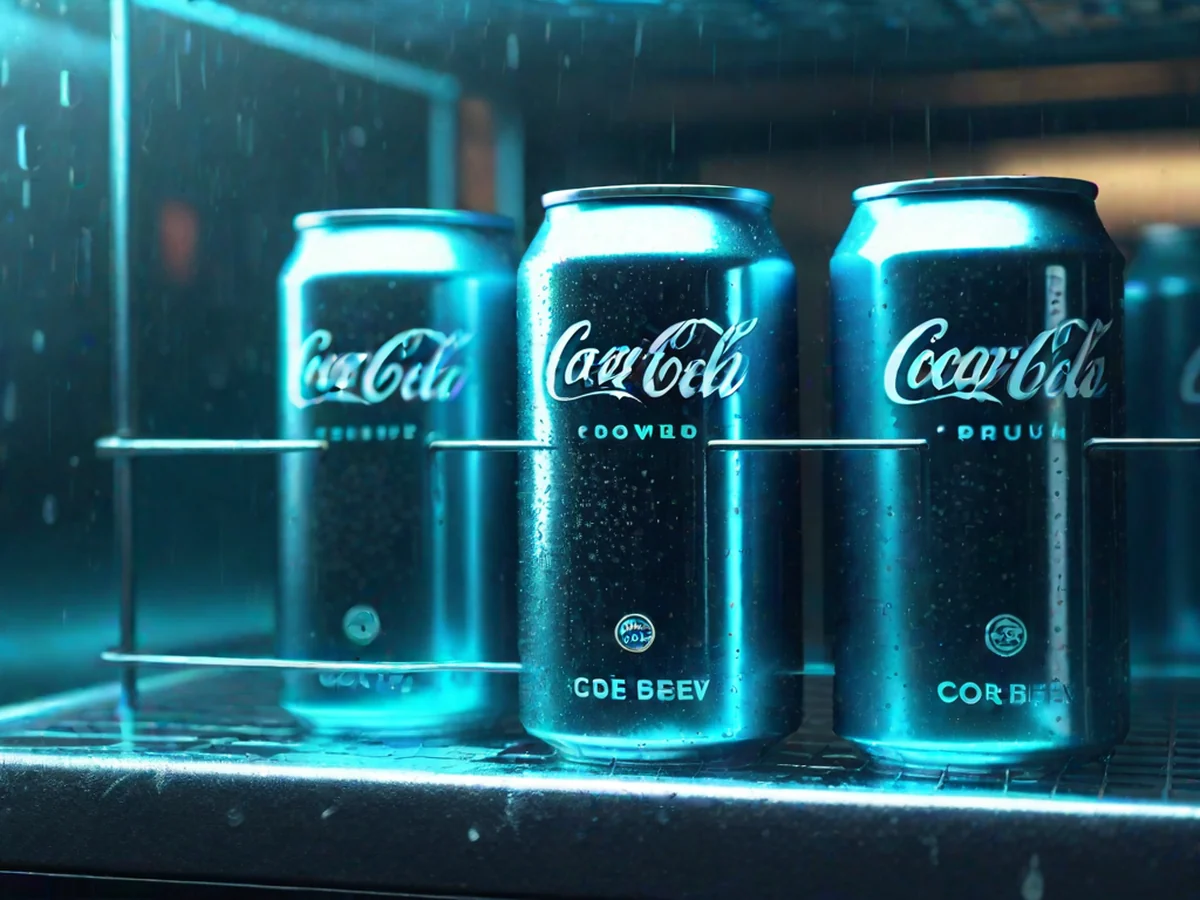
Two frosted cans of cold brew coffee resting on a shelf inside a softly lit refrigerator, condensation beads running down the metal, cool blue-and-teal color palette, crisp realistic detail, faint interior fridge glow

<a id="which"></a> ## Which format should you actually buy?

Want the lowest caffeine? Decaf, no contest—2–7 mg vs 95 mg standard.

Want the lowest cost and longest shelf life? Instant wins on both, at pennies a cup and shelf life in years.

Want café consistency with no skill? Capsules, as long as you accept the per-cup premium and manage the recycling.
Decaf vs Instant vs Capsule vs RTD Coffee: 2026 Guide

Want zero prep and cold coffee on the move? RTD, if you're comfortable paying beverage prices.

Most US kitchens in 2026 aren't loyal to one—they run a hybrid: capsules on weekday mornings, instant for travel and recipes, decaf after dinner, and RTD grabbed on the way out the door.


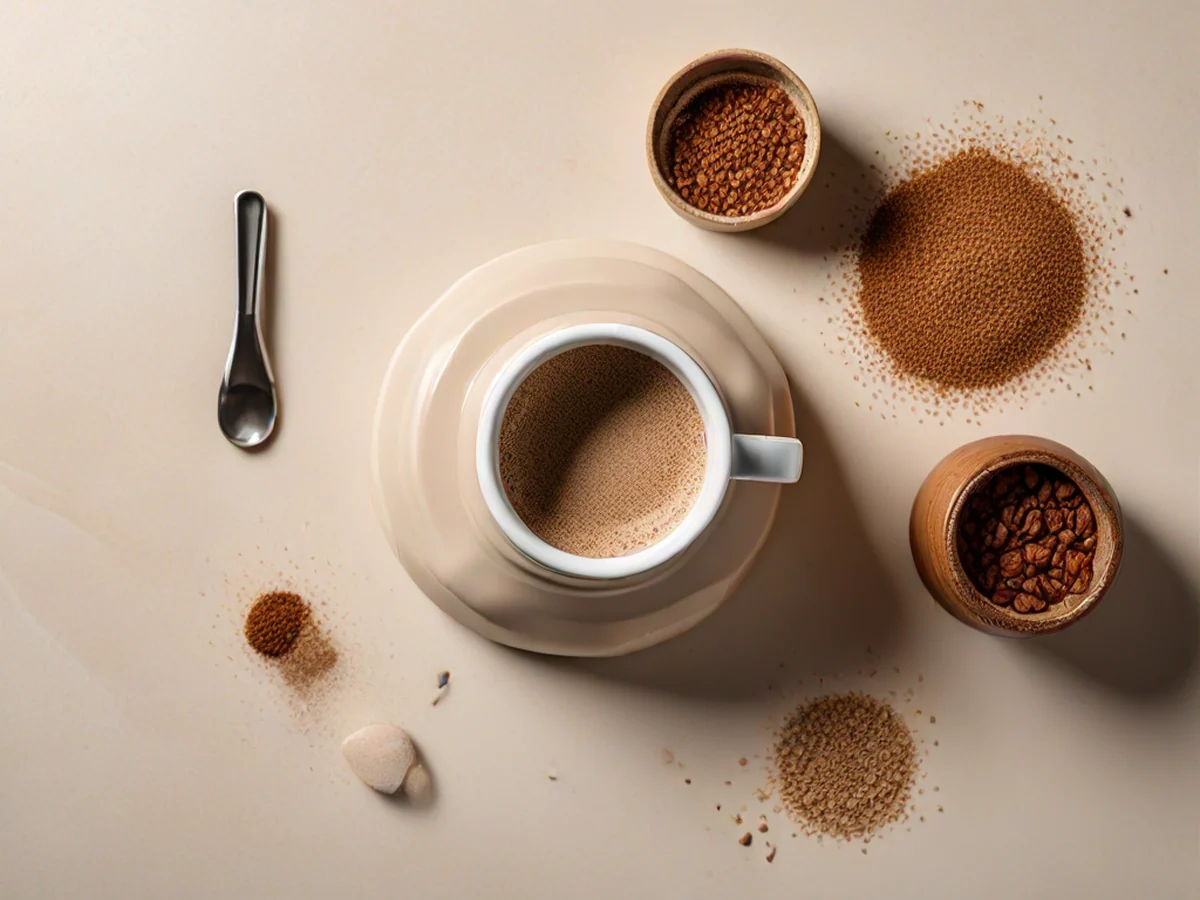
A flat-lay of a modern kitchen countertop from above showing a coffee routine in progress: a small pod machine, an open jar of instant coffee crystals with a spoon, a chilled coffee can, and a ceramic mug of pale decaf, warm neutral tones, natural daylight, clean minimalist styling

<a id="faq"></a> ## FAQ

Is decaf coffee completely caffeine-free? No. EU rules cap "decaffeinated" soluble coffee at 0.3% caffeine by dry weight and roasted decaf at 0.1%, so a typical cup still holds about 2–7 mg—far below a regular cup's ~95 mg, but not zero.

Is instant coffee worse for you than brewed? Nutritionally they're very similar. Instant has slightly less caffeine per cup and marginally higher acrylamide, but it also delivers the same antioxidants. For most people the difference is flavor and convenience, not health.

Are coffee capsules recyclable? Aluminum capsules are widely recyclable through brand take-back and curbside programs, and refillable stainless-steel capsules eliminate single-use waste entirely. Plastic K-Cup-style pods are harder to recycle—check the resin code and your local rules.

Why does RTD coffee have so much caffeine? RTD is brewed as a concentrate and sold in larger volumes (often 11–15 oz), so a single can commonly packs 100–200 mg—one to two regular cups' worth—rather than a standard 8 oz serving.

Which format is cheapest per cup? Instant, at roughly $0.10–0.25 per cup, beats decaf (~$0.20–0.40), capsules (~$0.60–1.10), and RTD (~$2.50–4.50) by a wide margin.

<a id="takeaways"></a> ## Key takeaways

Quick reference > - Decaf — lowest caffeine (2–7 mg), full ritual, best after dark. Capped at 0.3% (soluble) / 0.1% (roasted) by EU law. > - Instant — cheapest ($0.10–0.25) and longest shelf life; ~12% of global coffee and rising thanks to specialty freeze-drying. > - Capsule — café consistency, zero skill, $0.60–1.10 a cup; a $5.4B US market with a recycling asterisk. > - RTD — zero prep, 100–200 mg per can, priciest per serving; the fastest-growing US format at 5.92% CAGR. > - The 2026 reality — 49% of US homes own a single-serve system, and most drinkers now mix formats by moment rather than picking just one.

<script type="application/ld+json"> { "@context": "https://schema.org", "@type": "FAQPage", "mainEntity": [ { "@type": "Question", "name": "Is decaf coffee completely caffeine-free?", "acceptedAnswer": { "@type": "Answer", "text": "No. EU rules cap decaffeinated soluble coffee at 0.3% caffeine by dry weight and roasted decaf at 0.1%, so a typical cup still holds about 2 to 7 mg, far below a regular cup's roughly 95 mg but not zero." } }, { "@type": "Question", "name": "Is instant coffee worse for you than brewed?", "acceptedAnswer": { "@type": "Answer", "text": "Nutritionally they are very similar. Instant has slightly less caffeine per cup and marginally higher acrylamide, but delivers the same antioxidants. The real difference is flavor and convenience, not health." } }, { "@type": "Question", "name": "Are coffee capsules recyclable?", "acceptedAnswer": { "@type": "Answer", "text": "Aluminum capsules are widely recyclable through brand take-back and curbside programs, and refillable stainless-steel capsules eliminate single-use waste. Plastic pods are harder to recycle, so check the resin code and local rules." } }, { "@type": "Question", "name": "Why does RTD coffee have so much caffeine?", "acceptedAnswer": { "@type": "Answer", "text": "RTD is brewed as a concentrate and sold in larger volumes, often 11 to 15 oz, so a single can commonly packs 100 to 200 mg, one to two regular cups' worth, rather than a standard 8 oz serving." } }, { "@type": "Question", "name": "Which format is cheapest per cup?", "acceptedAnswer": { "@type": "Answer", "text": "Instant, at roughly $0.10 to $0.25 per cup, beats decaf, capsules, and RTD by a wide margin." } } ] } </script>

How did you like this post?

Comments 0

Be the first to comment

Contact us

← All Coffee Home
All Coffee Get new posts by emailSubscribe to receive new content via email. Unsubscribe anytime.
Was this helpful?Share it with friends & social