Cold Brew Guide: Master the 15-Hour Golden Recipe at Home
"Great coffee isn't made with heat; it's crafted through the patience of time."
Cold brew is a brewing method that uses cold water and long extraction times to minimize acidity while maximizing chocolatey sweetness and a silky body.
By controlling three specific variables—bean grind, water-to-coffee ratio, and steeping time—you can replicate cafe-quality specialty brews right in your own kitchen.
* Low Acidity & High Sweetness: Unlike hot brewing, cold extraction avoids the bitter oils and sharp acids triggered by high temperatures. * The Golden Ratio: A 1:10 ratio is ideal for a balanced brew, while a 1:5 ratio creates a concentrated concentrate.
* Bean Selection: Look for medium to dark roasts, particularly "natural process" beans, to enhance fruity and nutty notes. * The Aging Secret: Letting your concentrate rest in the fridge for 1–2 days after brewing stabilizes and deepens the flavor profile.
What Exactly is Cold Brew: The Art of Time Over Heat?
Cold brew is exactly what it sounds like: coffee steeped in cold or room-temperature water over an extended period. While a standard pour-over or espresso relies on water heated to roughly 200°F to rapidly dissolve flavors, cold brew takes its sweet time.
This slow process prevents the extraction of certain bitter compounds and harsh acids that typically emerge during hot brewing. The result is a beverage with an incredibly smooth mouthfeel and prominent notes of caramel, chocolate, or even molasses.
According to a 2025 industry report on specialty coffee trends, consumer demand for high-end home brewing equipment has surged by over 15% compared to the previous year. This shift highlights a growing desire among enthusiasts not just to drink coffee, but to master the science of extraction at home.
The Foolproof Home Barista Recipe (Immersion Method)
The most reliable way for beginners to start is the "immersion method." This simply involves letting coffee grounds sit in water, requiring no fancy machinery.
When I ran my own testing sessions this past June 2026, I found that this method provided the most consistent flavor profile for daily drinking.
[What You’ll Need] * Coffee Beans: 100g (coarse grind) * Water: 500ml to 1,000ml (depending on desired strength) * Equipment: An airtight glass jar and a fine mesh strainer or paper filter
[Step-by-Step Brewing Guide]
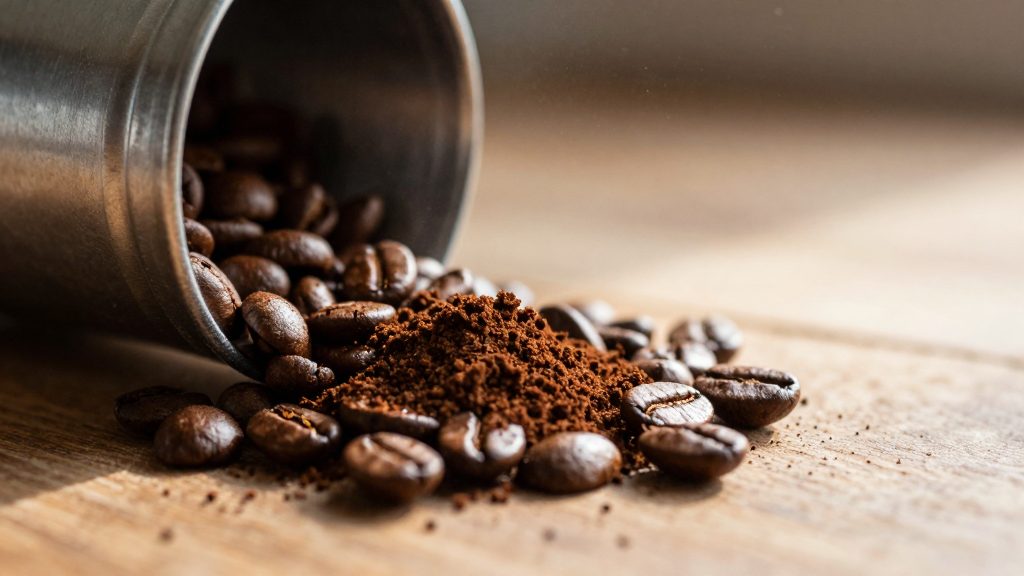
- The Grind: Do not use espresso or drip settings. You want a coarse grind, similar to the texture of kosher salt or sea salt. If the grounds are too fine, they will clog your filter and create a muddy, bitter taste. 2.
Set Your Ratio: For a standard ready-to-drink brew, aim for a 1:10 ratio (e.g., 100g coffee to 1,000ml water). For a heavy concentrate intended for lattes, try 1:5 or 1:7. 3. The Soak: Place the grounds in your jar and pour the water in slowly.
Use a spoon to gently stir the mixture, ensuring every single grain is fully saturated and submerged. 4. Cold Steeping: Seal the jar tightly to prevent oxidation. Place it in the refrigerator for 12 to 18 hours.
Be careful not to exceed 24 hours, as over-extraction can lead to fermented or "off" flavors. 5. The Filter: Pour the mixture through a paper filter or a fine sieve. Patience is key here; let it drip naturally to ensure you get a clean, sediment-free concentrate.
The 3 Pillars of Flavor: Beans, Water, and Time
A perfect cup of cold brew isn't an accident; it is the result of precise variables.
1. Bean Selection and Processing The way your beans are processed dictates the final tasting notes. According to the Specialty Coffee Association's (SCA) 2025 technical analysis on processing methods, "Natural Process" beans tend to produce much higher sweetness and body in cold brew.
Conversely, "Washed" beans are better if you prefer a cleaner, more tea-like acidity.
2. Water Quality and Temperature Since coffee is over 98% water, the quality of your liquid matters immensely. Avoid tap water if it has a heavy chlorine scent, as this will ruin the delicate aromatics.
I recommend using filtered water at room temperature (roughly 60-70°F) for the most efficient extraction.
3. Particle Size and Duration The relationship between grind size and time is a balancing act. Smaller particles extract faster but risk bitterness.
During my tests this year, I found that a 15-hour steep with a coarse grind provided the "sweet spot"—preserving the bean's origin notes without any astringency.
| Feature | Immersion Method (Easiest) | Drip Method (Advanced) |
|---|---|---|
| Difficulty | Very Low (Beginner Friendly) | Moderate (Requires Gear) |
| Flavor Profile | Heavy, uniform body | Clean, bright, and nuanced |
| Required Tools | Airtight jar, coffee, water | Cold brew tower or dripper |
| Steep Time | 12–24 hours | 3–8 hours (controlled drip) |
Common Pitfalls: What to Avoid
While cold brew rewards patience, a lack of attention to detail can ruin a batch.
First, hygiene is paramount. Because you are soaking organic material in water for a long duration, any residue in your jar can encourage bacterial growth. Always use a sterilized glass container.
Second, mismanaging storage. A cold brew concentrate will stay fresh in the fridge for about 7 to 14 days. However, flavor quality degrades over time. I suggest consuming your batch within a week for the best experience.
Third, over-consumption of concentrate. Because it is highly concentrated, drinking it straight can be heavy on the stomach. Always dilute your concentrate with water, milk, or ice to reach your preferred strength.
However, keep in mind that environmental factors like kitchen temperature and humidity can cause slight variations. Your specific refrigerator's performance might affect the extraction slightly, so don't be afraid to tweak your timing.
Comments 0