Getting Started with Home Coffee: A Complete Guide, from
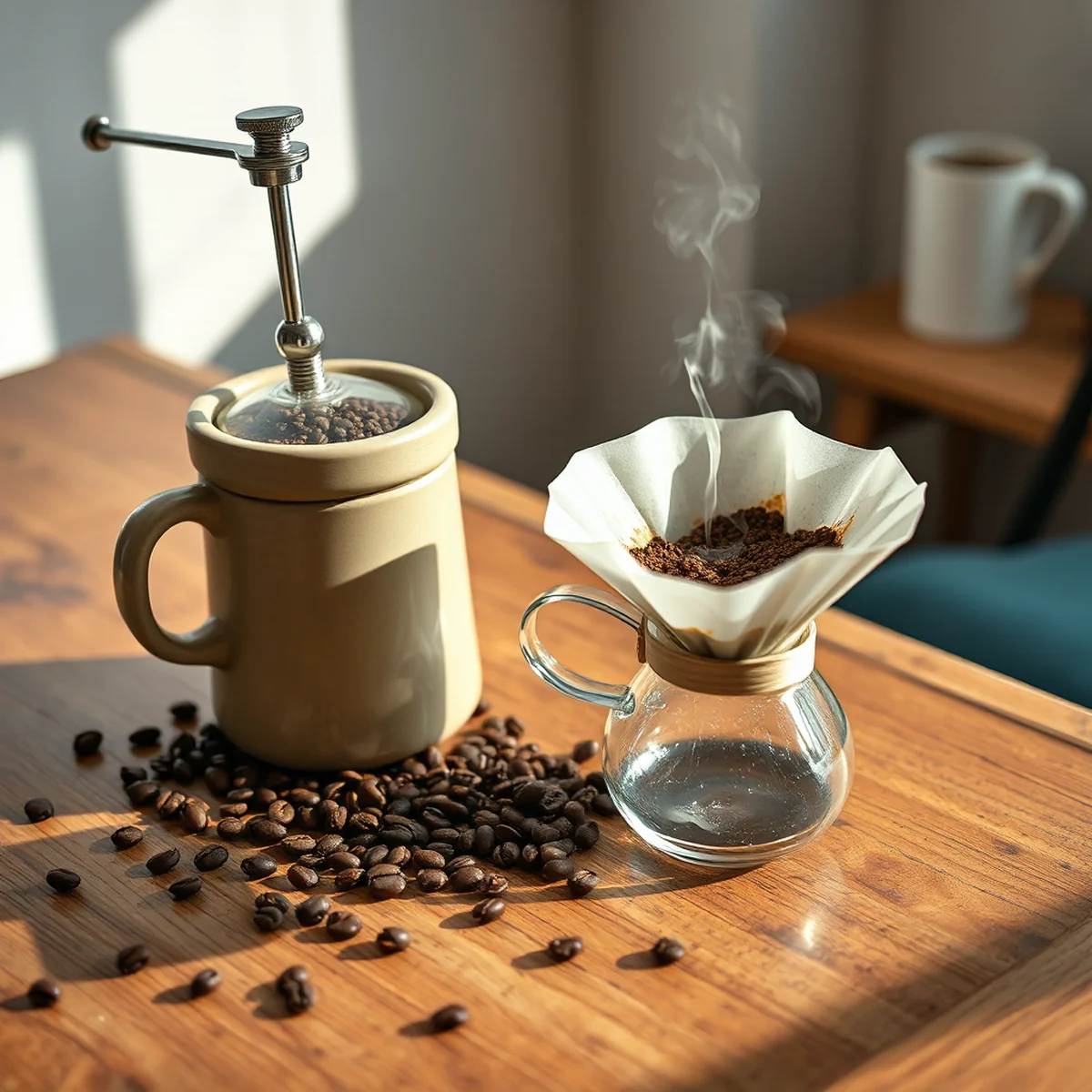
The reason why coffee made at home often doesn't taste as good as cafe coffee usually comes down to the "beans" and the "fundamentals." Even without an expensive machine, understanding a few key principles can dramatically improve the taste of your home coffee.
Since you're drinking it every day, paying a little attention can significantly enhance your quality of life.
The Starting Point: Choosing Your Beans
The origin and roasting level of the beans completely change their aroma and flavor. The first step is understanding your own preferences.
- Light Roast: If you enjoy a bright acidity and fruity or floral aromas.
- Medium Roast: For a balanced and approachable flavor profile. This is a good option for beginners.
- Dark Roast: If you prefer a bold, intense flavor with a smoky or chocolatey taste.
Extraction and Freshness are Key
The brewing method also significantly impacts the taste. Hand-drip offers clarity, French press provides a full body, and espresso delivers intensity. Most importantly, using fresh beans and the correct grind size will dramatically improve the quality of your coffee.
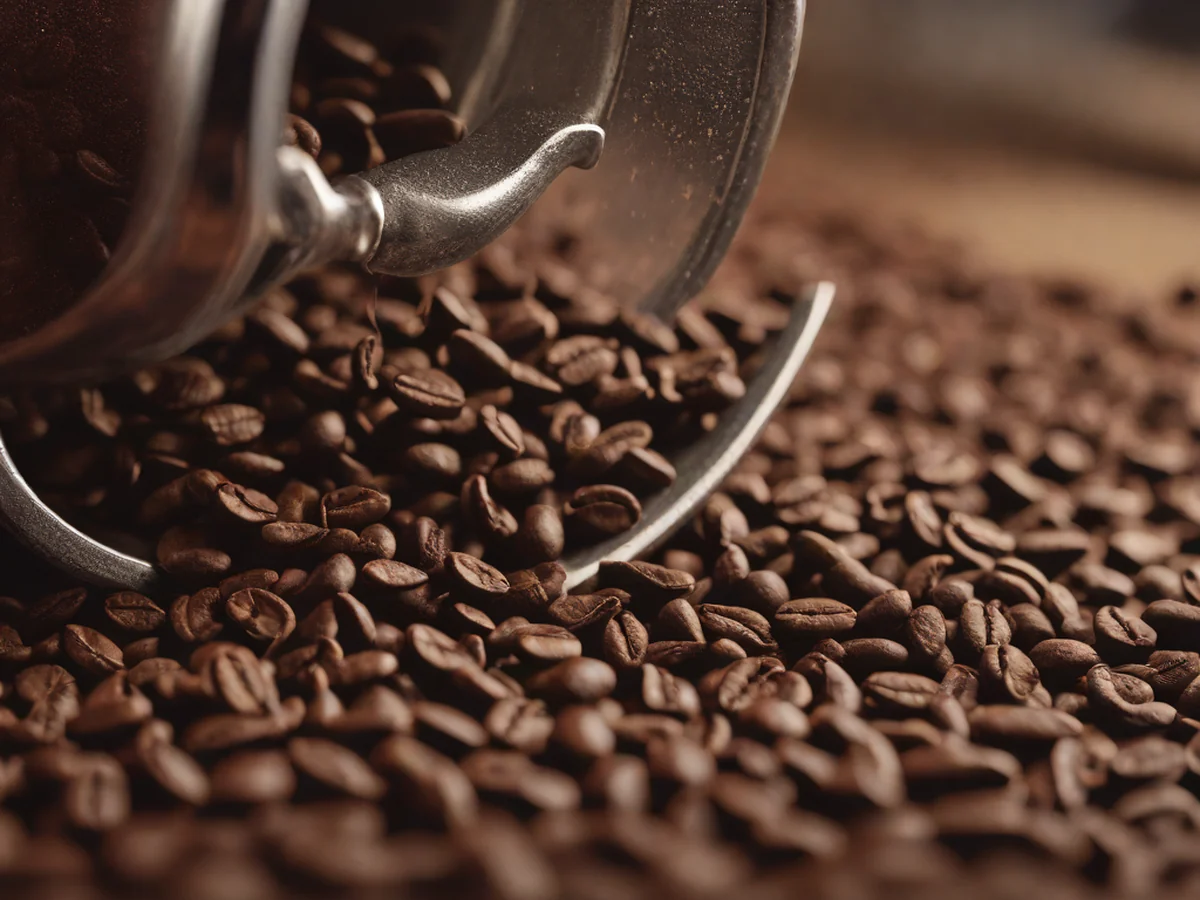
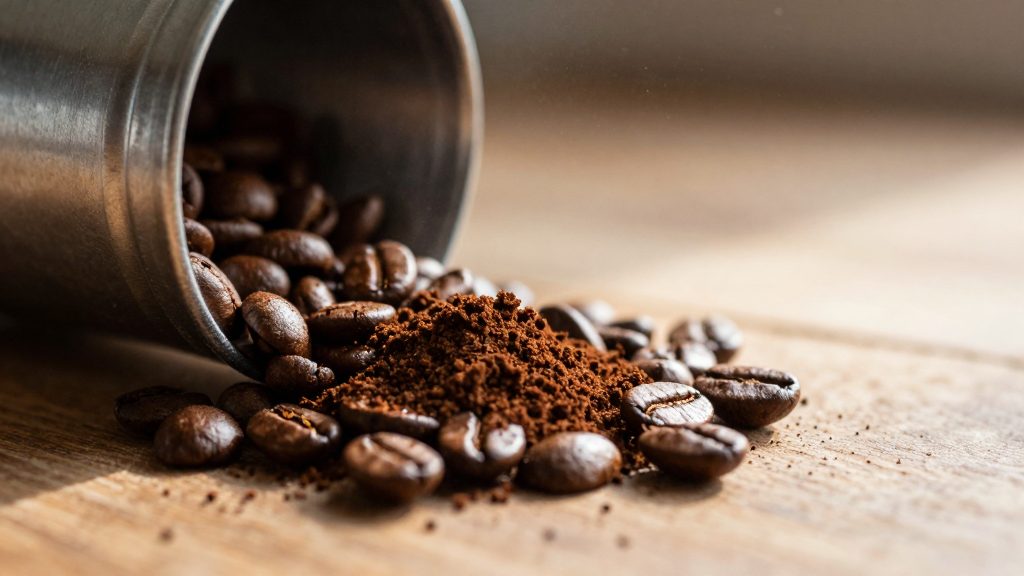
Coffee loses its aroma quickly once ground, so it's best to grind just before brewing.
According to UNESCO's 2024 report, the global appreciation for traditional beverage rituals is rising. In 2023, market data showed that specialty coffee consumption grew by 12% as more people invested in home brewing equipment.
Water and Ratio Matter Too
Surprisingly, the water temperature (usually around 90 degrees Celsius) and the ratio of water to coffee grounds greatly influence the taste. Water that's too hot can result in a bitter taste, while not enough water can lead to a heavy or muddy flavor.
Finding your own ideal ratio is part of the fun of home coffee making. If you're a beginner, start with a ratio of 1 part coffee to 15-16 parts water and gradually adjust it.
According to the International Coffee Organization's 2024 update, supply chain shifts are impacting bean availability. Projections for 2025 suggest a 5% increase in the cost of premium Arabica beans due to changing climate patterns.
Essential Equipment for Beginners
You don't need to start with an expensive machine. These three items are enough:
- Dripper and Filter: The most affordable way to brew a clean cup of coffee.
- Scale: Measuring the amount of coffee and water allows you to consistently reproduce the same flavor.
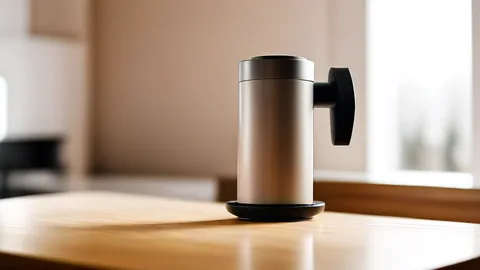
- Grinder: Grinding just before brewing is the most effective way to preserve freshness.
According to the National Coffee Association's 2024 study, home brewing habits have shifted significantly. Their data shows that 35% of Americans now use specialized manual methods like pour-overs more frequently than they did in 2022.
Frequently Asked Questions
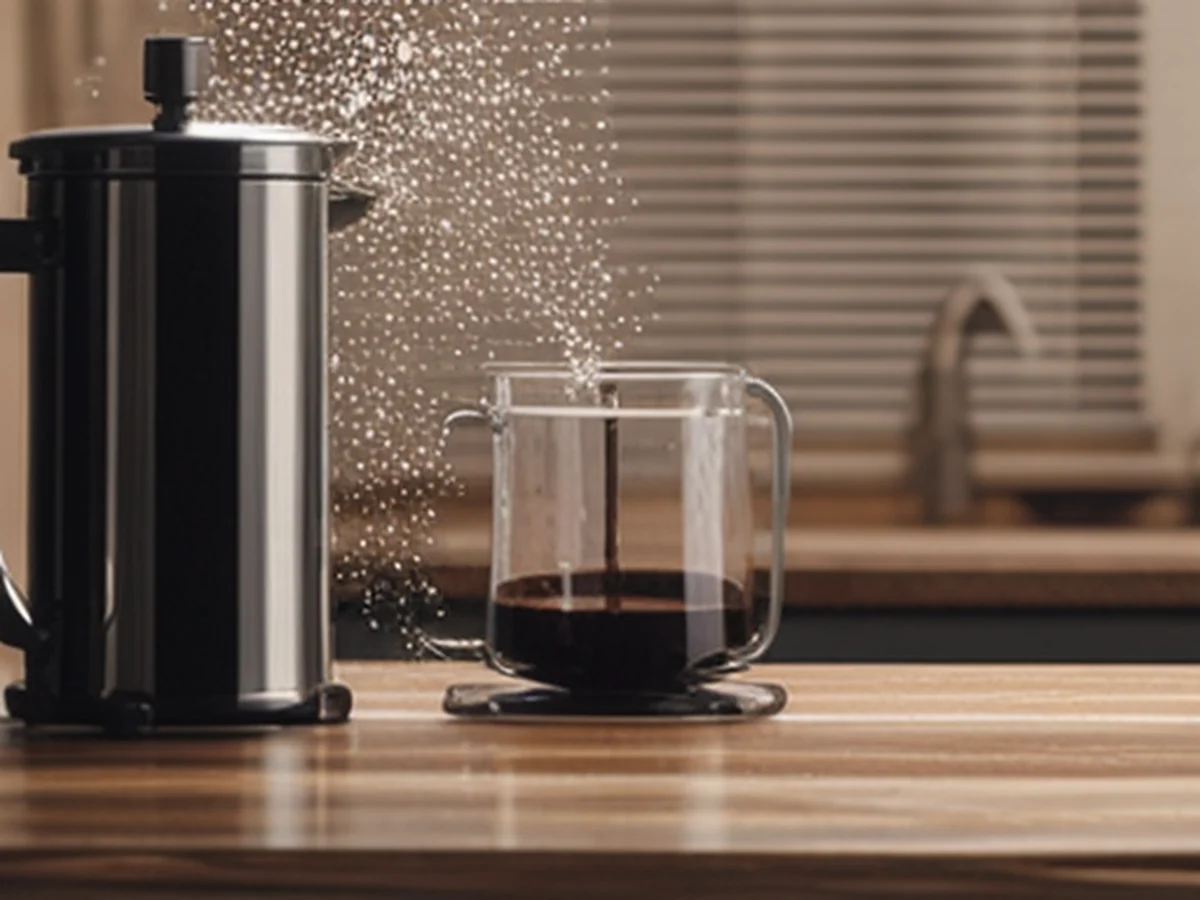
- How should I store my beans? Store them in an airtight container, away from direct sunlight and humidity, at room temperature. If you freeze your beans, divide them into small portions and use them quickly after thawing.
- How fresh should they be? You're likely to experience the best aroma within 2-4 weeks after roasting.
- My coffee doesn't taste like cafe coffee. This is usually a problem with the grind size and the amount of water. If it's ground too coarsely, it will be weak; if it's ground too finely, it will be bitter and heavy. Try changing one variable at a time and keep track of your results.
At first, the taste may vary from cup to cup, but by writing down the amount of coffee, water, and brewing time, and repeating the process, you're likely to find your perfect cup.
Ultimately, the joy of home coffee making lies in the process of gradually improving each day, rather than achieving perfection.
Good coffee comes from "freshness and fundamentals," not expensive equipment.
All Coffee provides content for coffee lovers, including reviews of beans, brewing methods, and equipment, as well as cafe information.
Quick Comparison
| Category | Item A (Recommended for Beginners) | Item B (Established Home Coffee Routine) |
|---|---|---|
| Bean Selection Criteria | Medium roast, use within 2–4 weeks after roasting | Blend light or dark roast based on origin characteristics and personal preference |
| Extraction Method | Manual pour-over (clean, crisp flavor) | Precision methods like diamond extraction with fine control over time and pressure |
| Freshness Management | Grind just before brewing, store in sealed container | Track roasting date; freeze in weekly portions |
| Essential Equipment | Pour-over dripper, filter, scale, grinder | Electric grinder + precision temperature-controlled coffee machine |
| Ratio Setting | Coffee 1 : Water 15–16 (standard baseline) | Adjust to personal preference within range of 1:14 to 1:17 |
Comments 0