Specialty Coffee Guide: How SCA 80+ Scores Define Quality
Stop guessing if your beans are actually high-quality and start reading the numbers that define true excellence.
Specialty coffee isn't just a marketing buzzword; it is a technical designation awarded only to coffee scoring 80 points or higher on a 100-point scale. As the home brewing market continues to surge in 2026, consumers are moving past simple origins to look for objective quality metrics.
* The 80-Point Threshold: Only coffee scoring 80+ out of 100 is officially classified as "Specialty." * Quality Tiers: Scores range from "Very Good" (80+) to the elite "Outstanding" tier (90+). * Standardized Evaluation: Quality is measured through "cupping," a rigorous sensory analysis. * The Home Barista Trend: Modern enthusiasts use professional scoring to elevate their daily ritual.

What Exactly Defines Specialty Coffee and the SCA Standard?
The concept of specialty coffee traces back to 1974, when Erna Knutsen first used the term in *Tea & Coffee Trade* journal. She described complex flavors achievable through specific microbial actions and meticulous processing.
According to the Specialty Coffee Association's 2025 Quality Guidelines, excellence is defined by a lack of primary defects and high sensory complexity. This global body provides the definitive roadmap for coffee excellence used by roasters worldwide.
Instead of relying on subjective "tastiness," they use a standardized cupping sheet. This quantifies attributes like fragrance, flavor, aftertaste, acidity, body, balance, and cleanliness to ensure consistency across different regions.
I’ve personally found that looking for an "SCA Score 85+" is the best way to avoid buyer's remorse. When I was exploring light roasts in early 2025, seeing that number gave me the confidence to invest in a premium Ethiopian lot.
How Does the Professional Cupping Process Work?
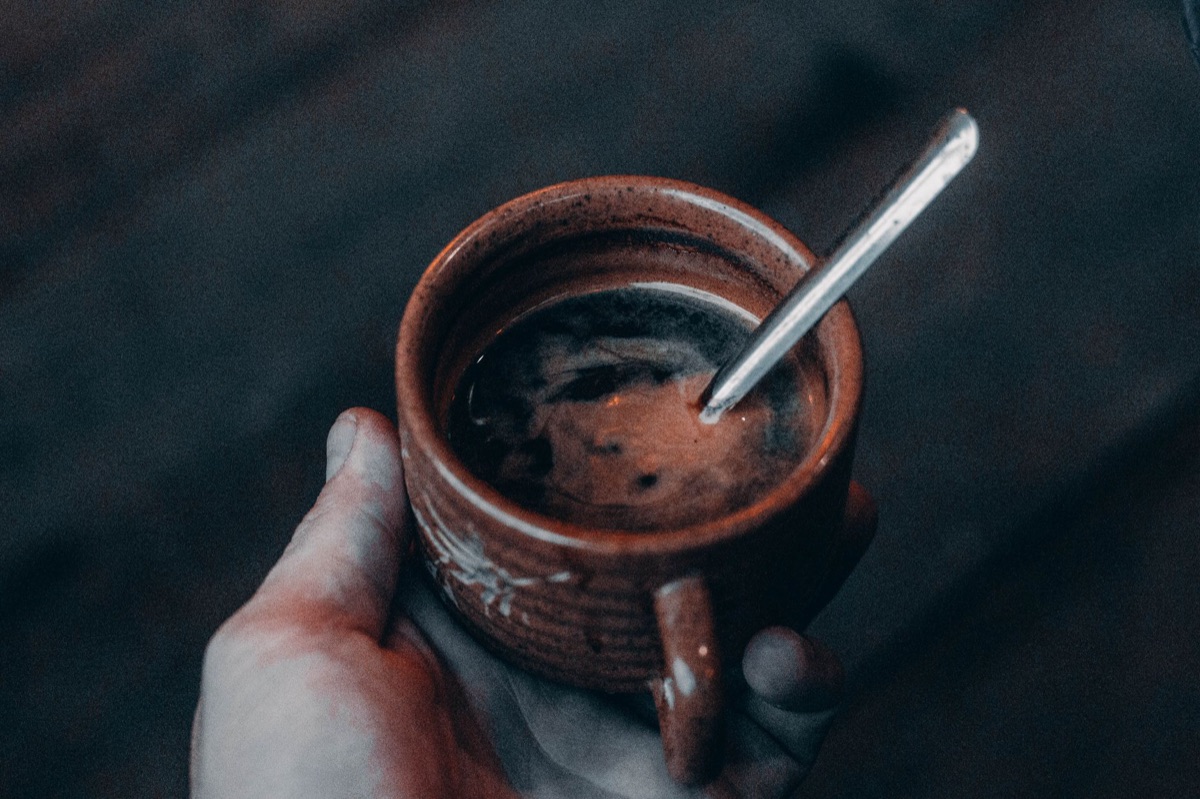
Cupping is the industry-standard method for measuring coffee quality objectively. It isn't just sipping; it is a highly structured sensory investigation of how flavor evolves from dry grounds to the final swallow.
According to the Coffee Quality Institute's 2025 Industry Report, standardized cupping protocols have increased global trade transparency by nearly 15% since their implementation. This allows buyers to trust scores across borders.
The process generally follows three critical stages: 1. Fragrance: Smelling the dry, ground coffee to detect roast freshness and immediate aromatic notes. 2. Aroma: Smelling the coffee after hot water is added, evaluating the "crust" that forms on top. 3. Tasting: Using a specialized spoon to aerate the liquid into the mouth for full structural perception.
Experts break down the evaluation into specific pillars: * Acidity: Refers to brightness and vivacity—think of sparkling citrus rather than dull sourness. * Body: The tactile sensation or weight on your tongue, ranging from tea-like to syrupy. * Aftertaste: The duration and clarity of the flavor that lingers after swallowing.
However, cupping results can be sensitive to environmental variables. Factors like water temperature or local humidity can skew scores, which is why professional labs maintain strictly controlled environments.
How to Taste Coffee Like a Pro at Home
If you want to level up your home cafe experience, having standardized tools helps ensure consistency in your daily brewing.
| Tool Category | Essential Equipment | Primary Function |
|---|---|---|
| Vessel | Cupping Bowls | Holds coffee while maintaining thermal stability |
| Extraction | Cupping Spoon | Designed to aerate liquid during tasting |
| Measurement | Digital Scale & Timer | Ensures precise coffee-to-water ratios |
| Temperature | Thermometer | Controls water heat for optimal extraction |
To try a professional cupping session at home, follow these steps:
- Set the Ratio: Use a standard ratio of approximately 8.25g of coffee per 150ml of water (roughly a 1:18 ratio).
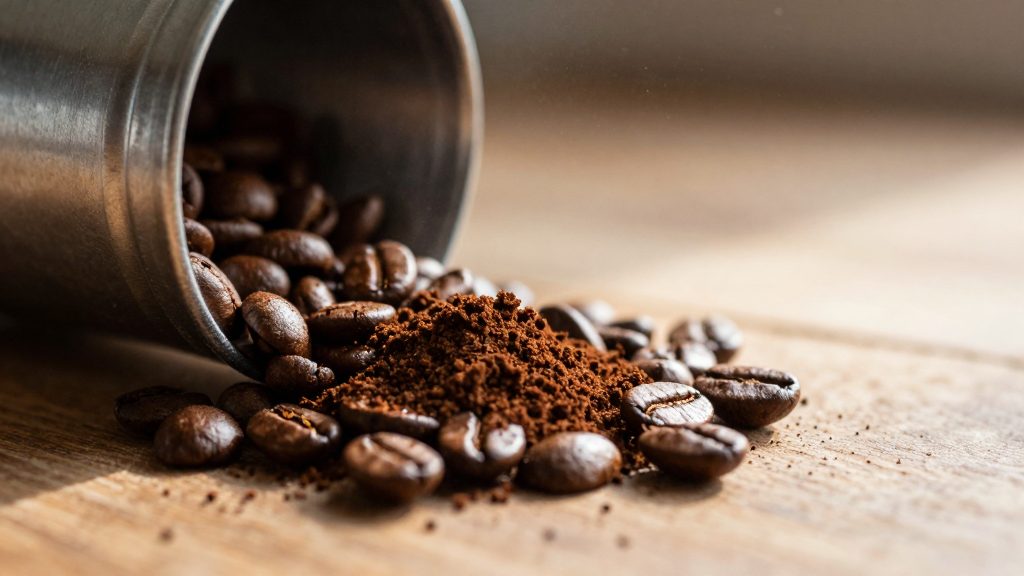
- Grind and Fragrance: Grind your beans to a coarse salt consistency and take a deep breath of the dry grounds.
- The Pour: Pour water heated to exactly 93–94°C over the grounds until they are fully submerged.
- Break the Crust: After waiting 4 minutes, use your spoon to gently stir the floating grounds and inhale the aromas.
- The Slurp: Take a spoonful and "slurp" it loudly into your mouth to spray the coffee across your entire palate.
Last weekend, I ran a side-by-side cupping of an Ethiopian Yirgacheffe and a Colombian Huila. The Yirgacheffe hit my nose with bright peach notes, while the Huila offered a heavy, chocolatey body that coated my tongue perfectly.
Understanding Quality Tiers: What Do the Scores Mean?
The SCA scoring system provides an instant snapshot of what you are paying for. Generally, higher scores mean fewer "defects" and more complex flavor profiles.
According to recent market data from the International Coffee Organization's 2026 Economic Outlook, the demand for 90+ point coffees has grown by 12% year-over-year as specialty consumption expands.
* 90–100 Points (Outstanding): These are once-in-a-lifetime coffees produced in tiny quantities with extraordinary complexity. * 85–89.99 Points (Excellent): This is the "sweet spot" for enthusiasts, offering distinct characteristics like intense fruitiness. * 80–84.99 Points (Very Good): The entry point for specialty status, being significantly cleaner than standard commercial coffee.

Comments 0