Espresso's 19th Century Revolution: Italian Coffee Heritage
"Drinking a cup of coffee isn't just about caffeine; it's about swallowing the philosophy and artistry of an entire era."
Italian coffee culture serves as the global blueprint for espresso standards, acting as a vital social glue that transcends mere beverage consumption.
By understanding this heritage, you gain deep insight into the modern specialty coffee movement and the essential mechanics of high-pressure extraction.
* Historical Legacy: A revolution sparked by technological breakthroughs in the late 19th century. * Cultural Identity: The "Bar" culture, characterized by rapid consumption and intense social connection. * Regional Nuances: A distinct contrast between the smooth profiles of the North and the bold roasts of the South. * Home Application: Mastering pressure and temperature to replicate traditional profiles at home.

How Did Espresso Change the World's Morning Routine?
The heartbeat of Italian coffee culture is, without question, the espresso. True to its name—meaning "expressed" or "fast"—this method was engineered to provide a highly concentrated burst of energy for people on the move.
To understand this, we have to look back at technological breakthroughs in hubs like Milan and Turin.
According to the International Coffee Organization's (ICO) 2025 Annual Report, the global espresso-based beverage market is seeing a steady compound annual growth rate of approximately 5.8%.
Even as third-wave coffee trends evolve, the Italian extraction standard remains the central pillar. According to the Specialty Coffee Association's (SCA) 2025 Industry Outlook, espresso remains the most requested preparation method globally, accounting for over 65% of café orders.
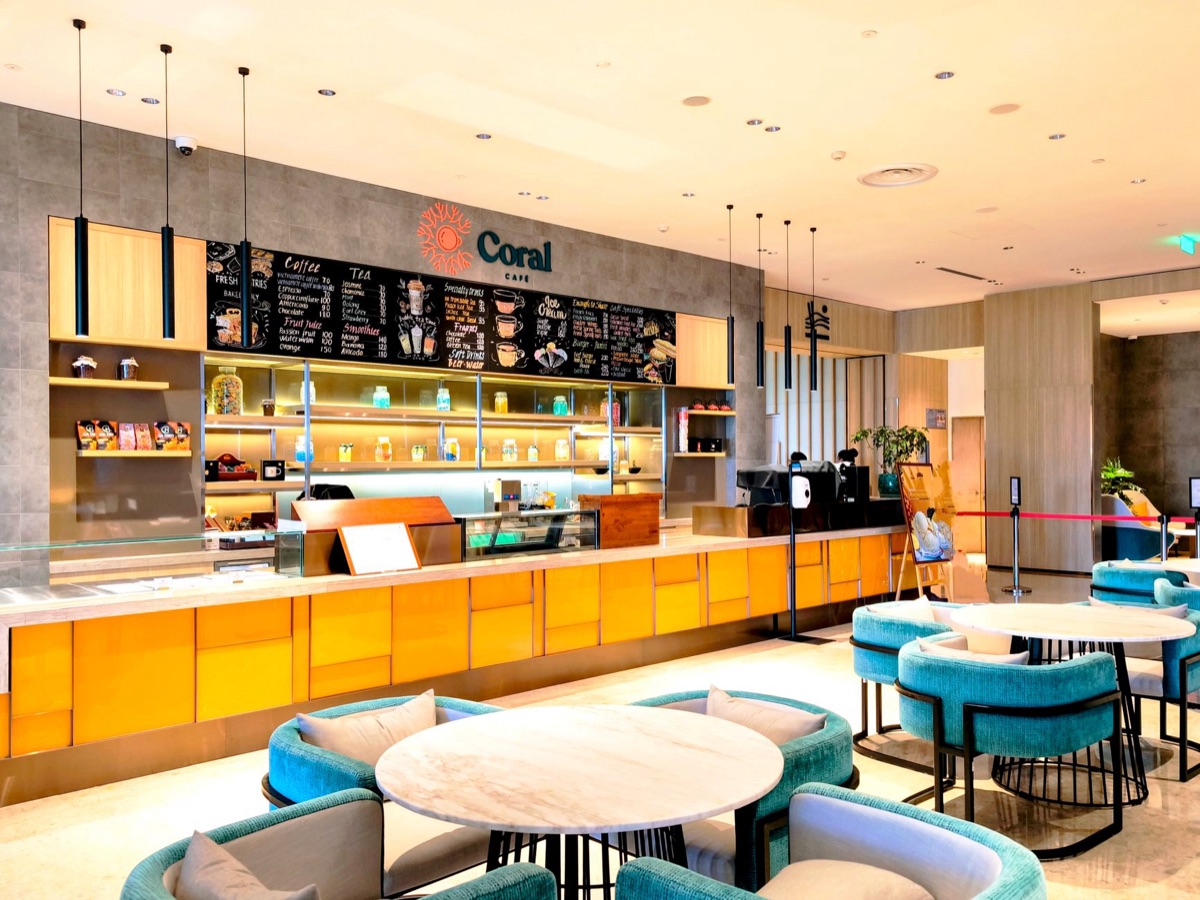
I remember standing in a historic café in Milan last year, watching the morning rush. It wasn't a slow, "sit-down and journal" kind of vibe.
Instead, dozens of locals stood at the marble counter, downed a shot in under 30 seconds, exchanged a quick "Buongiorno," and vanished into the streets. For them, coffee isn't a leisure activity; it's a high-octane daily ritual.
Regional Profiles: Northern Elegance vs. Southern Intensity
Italy isn't a monolith when it comes to taste. The geography and local economy create vastly different coffee experiences.
| Feature | Northern Italy (Milan, Turin) | Southern Italy (Naples, Sicily) |
|---|---|---|
| Roast Profile | Medium roasts; smoother and lighter | Dark roasts; heavy and bold |
| Flavor Notes | Balanced acidity and sweetness | Intense body; chocolate and char |
| Popular Drinks | Cappuccinos and Caffè Lattes | Pure Espresso and intense brews |
| Social Vibe | Sophisticated, orderly café culture | Vibrant, bustling piazza-centered life |
In Naples, for instance, the "Neapolitan Espresso" tradition persists. This often involves using extremely fine grinds and specialized machines to achieve high extraction efficiency even at lower pressures.
Meanwhile, the North is rapidly integrating modern specialty coffee trends. According to Euromonitor International's 2026 Consumer Trends Report, Northern Italian urban centers are seeing a 12% increase in demand for high-acidity, single-origin espresso profiles.
The Science of the Perfect Shot: Barista Mastery
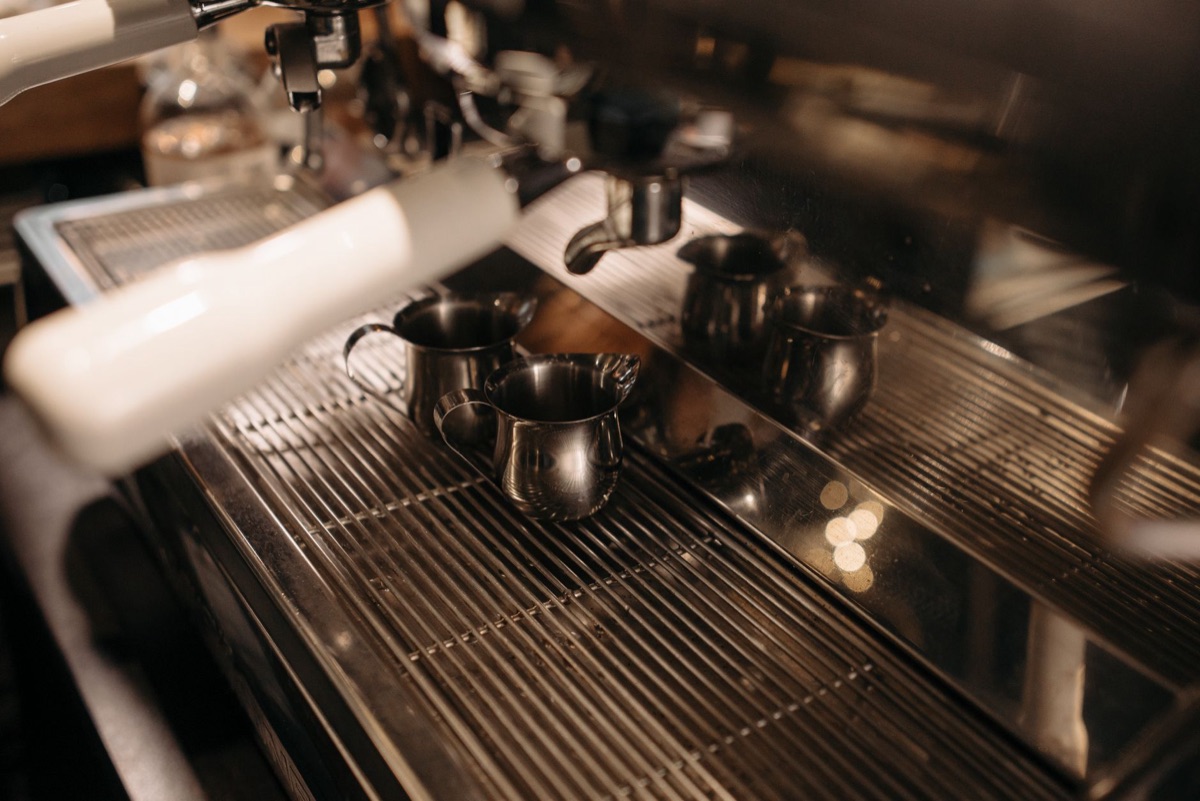
The pinnacle of Italian coffee lies in the barista's technical precision. It is less about pushing a button and more about managing variables in real-time.
- Dosing and Leveling: You must distribute the grounds evenly in the portafilter. Any unevenness leads to "channeling," which ruins the flavor.
- Tamping: Applying consistent pressure is vital. From my own experience running a home espresso setup, I've learned that maintaining a level tamp is more critical than how hard you press.
- Timing the Extraction: You are generally aiming for a 25 to 30-second window. Too short, and it's sour; too long, and it becomes bitter.
- Inspecting the Crema: That golden, micro-bubbled foam on top is the ultimate proof of fresh beans and correct pressure.
However, it is worth noting that the "traditional" rulebook is being challenged. In major Italian cities, the influx of specialty coffee has brought light-roast profiles to the forefront, creating a tension between tradition and innovation.
Recreating the Italian Experience in Your American Kitchen
You don't need a $5,000 machine to bring a taste of Italy to your kitchen. Here is how to approach it:
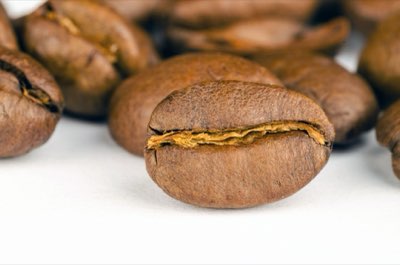
Step 1: Choose the Right Beans. If you want that classic Italian profile, look for dark roasts with origins like Brazil or Indonesia. You want chocolatey notes and very low acidity.
Step 2: Select Your Tool. If you don't have an espresso machine, the Moka Pot is your best friend. It is a staple in Italian households and is the most cost-effective way to achieve a concentrated brew.
Step 3: Manage Temperature. Water temperature is everything. If it's too hot, you'll scald the beans. Aim for roughly 195°F to 200°F (90°C–93°C).
When I tested this with my Moka Pot, I found that slowing down the heat allowed for a much richer, fuller body.



Comments 0