Burr Grinder Guide: 1 Key Secret to Better Coffee Flavor
"The secret to a perfect cup isn't actually the brewing—it's the precision of the grind right before it."
A high-quality burr grinder is the single most important investment for any home barista because it ensures particle uniformity, which prevents bitter or sour flavors. While blade grinders chop beans haphazardly, burr grinders precisely shave them to a consistent size to unlock true flavor clarity.
* Uniformity is Key: Consistent particle size prevents over-extraction (bitterness) and under-extraction (sourness). * Burr Types Matter: Conical burrs offer heavy body and texture, while flat burrs excel at highlighting bright acidity and floral notes.
* Skip the Blades: Blade grinders create "fines" and "boulders," leading to a muddy, inconsistent taste. * Match Your Method: Choose your grinder based on whether you prioritize espresso (pressure-sensitive) or pour-over (clarity-focused).
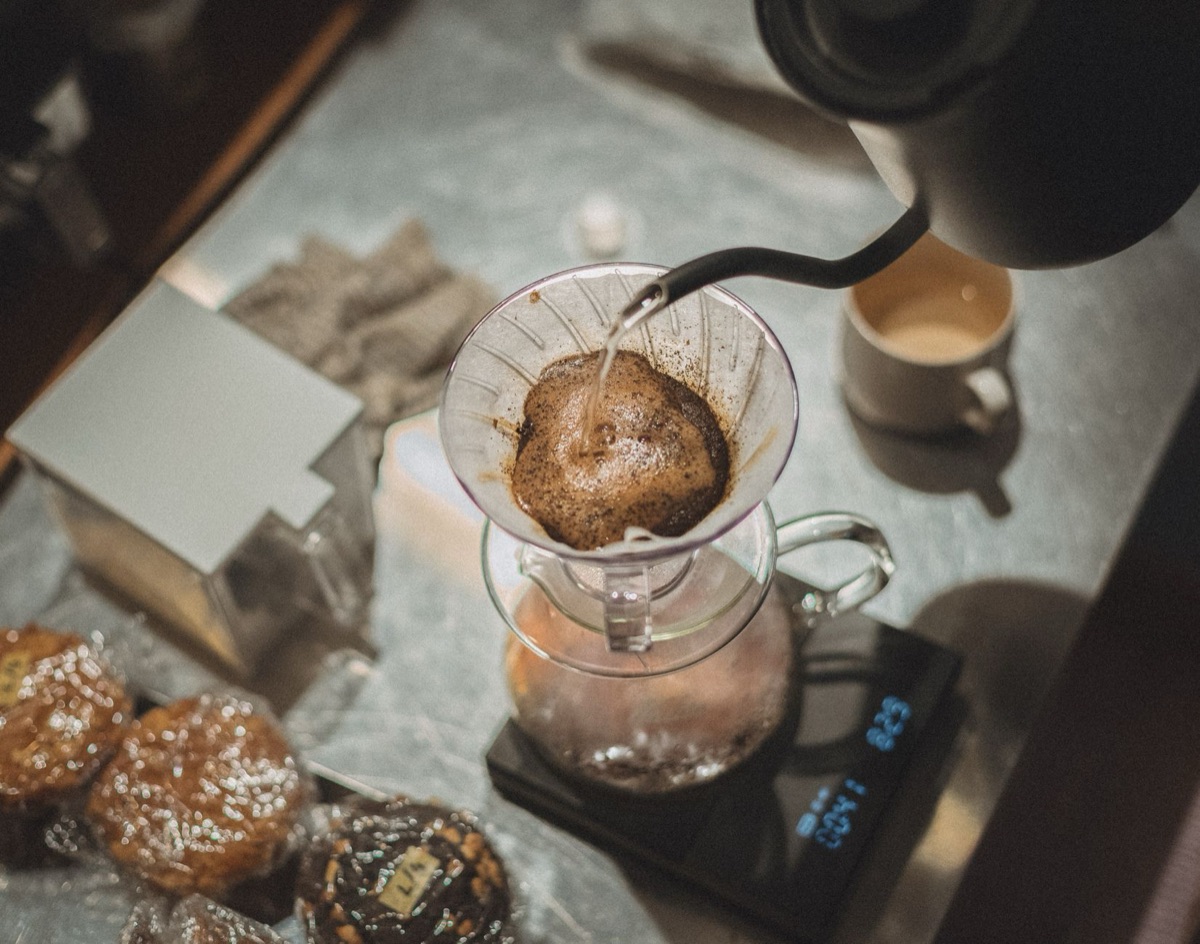
Why a Burr Grinder is Non-Negotiable Compared to Blade Models
Many beginners start their home coffee journey with a cheap blade grinder, thinking it's "good enough." However, there is a scientific reason why coffee professionals obsess over grinding uniformity.
A blade grinder works like a blender, essentially hitting the beans with high-speed blades to shatter them. This creates a chaotic mix of "fines" (microscopic dust) and "boulders" (large chunks).
This inconsistency ruins your brew. The tiny dust particles extract too quickly, causing harsh bitterness, while the large chunks don't get enough water contact, resulting in a sour, thin taste. You end up with a cup that is both bitter and sour at the same time—a total flavor mismatch.
In contrast, a burr grinder uses two revolving surfaces to shave the beans into specific sizes. According to the Specialty Coffee Association's (SCA) 2025 Extraction Guidelines, minimizing particle size deviation is the most effective way to preserve a coffee's inherent flavor clarity.
I learned this the hard way. A few years ago, I spent nearly $60 on a bag of high-end Ethiopian single-origin beans, only to have my morning cup taste like burnt rubber. I thought the beans were bad, but it turned out my $40 blade grinder was the culprit.
Switching to a dedicated burr grinder changed everything overnight.
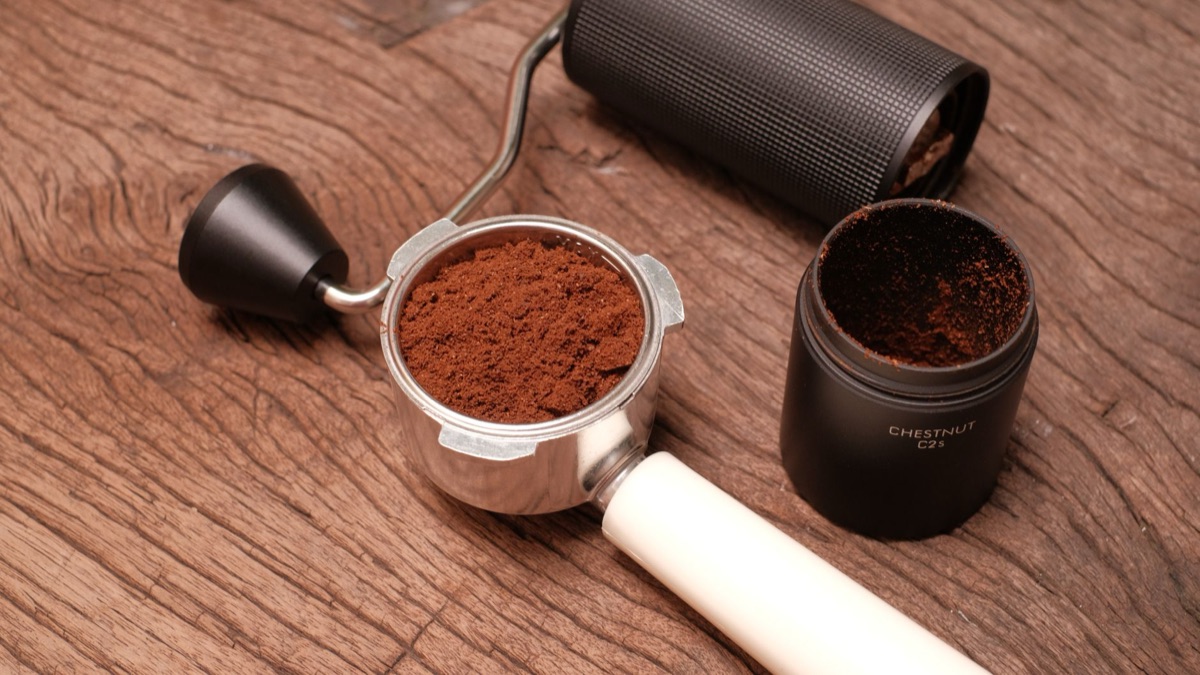
Conical vs. Flat Burrs: Which Profile Fits Your Palate?
When shopping for a grinder, you'll eventually hit the "Conical vs. Flat" crossroads. This choice dictates the mouthfeel and flavor profile of your daily brew.
1. Conical Burr Grinders These feature a cone-shaped burr that rotates inside a stationary ring.
* Characteristics: They produce a wider particle distribution, meaning a healthy amount of "fines" is integrated into the grind. * Flavor Profile: Expect a heavy body and rich, creamy texture. They are fantastic for espresso, producing a thick, luscious crema.
* Pros: Generally more durable, easier to clean, and often more affordable for entry-level electric models.
2. Flat Burr Grinders These use two parallel, flat discs that rotate against each other.
* Characteristics: They produce incredibly uniform particles with significantly fewer "fines" than conical models. * Flavor Profile: Exceptional flavor clarity. If you love tasting the bright acidity, citrus notes, or floral aromas of light roasts, this is your winner.
* Pros: Ideal for high-end pour-over brewing and precision espresso enthusiasts who want to highlight terroir.
| Feature | Conical Burr | Flat Burr |
|---|---|---|
| Primary Focus | Body & Texture (Espresso) | Flavor Clarity (Brewing/Specialty) |
| Uniformity | Moderate (Produces more fines) | Very High (Clean particle size) |
| Taste Profile | Heavy, Sweet, Syrupy | Bright, Acidic, Clean |
| Price Point | Entry to Mid-range | Mid to High-end (for precision) |
A Step-by-Step Guide to Perfect Grinding Consistency
Once you have the right gear, consistency is your new best friend. Follow this three-step process to ensure every cup tastes as good as the last:
- Measure by Weight, Not Volume: Stop using scoops. Use a digital scale that measures to 0.1g increments. Even a slight variation in bean weight can change your extraction time. 2. Standardize Your Settings: Pick a specific number for your brew method.
For example, if you use a Hario V60, find the "sweet spot" setting on your grinder and stick to it every single morning. 3. Manage Retention and Cleanliness: Old coffee grounds stuck inside the chute (retention) go rancid and will taint your fresh brew.
Regularly use a grinder cleaner or a brush to keep the internal pathways clear.
Market trends reflect this shift toward precision. The 2025 Global Coffee Equipment Report indicates that consumers are increasingly prioritizing "micro-step" adjustment features over basic functionality.
Furthermore, the International Coffee Organization's (ICO) 2026 Market Outlook notes that sales of mid-range grinders with precision controls have risen 15% year-over-year as home baristas upgrade their setups.
Choosing the Right Grinder for Your Skill Level
Since a good grinder is an investment that lasts years, you should choose based on your current "coffee stage."
[The Beginner: Versatility & Value] If you're just getting into the hobby, look for an electric conical burr grinder. It offers a massive upgrade over blade grinders without breaking the bank, and it can handle both drip coffee and basic espresso.
[The Intermediate: Method Specialization] If you've decided you love a specific way of brewing, specialize. Go for a high-quality flat burr grinder if you're obsessed with pour-over, or a high-torque conical grinder if you're building an espresso station.
[The Expert: Absolute Precision] For those testing different single-origin beans daily, a high-end flat burr grinder with "stepless" adjustment is essential. This allows you to fine-tune the grind to capture the exact nuances of a bean's origin.
However, keep in mind that no grinder is a magic wand. Even the most expensive flat burr grinder won't fix low-quality, oily, or poorly roasted beans. The equipment can only reveal the quality that is already there.
Comments 0