Flavor differences at each stage of coffee bean roasting: Light, Medium, and Dark.
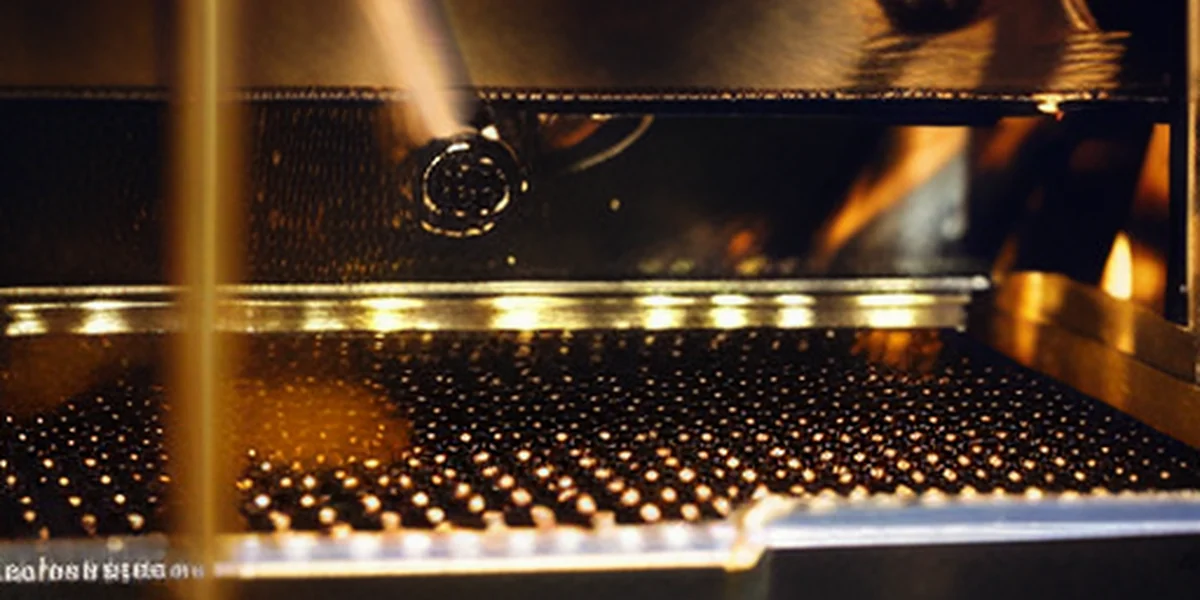
Coffee bean roasting results in a decrease in acidity and an increase in body and bitterness as it progresses from light to medium to dark. Even with the same coffee beans, the taste of the coffee can vary significantly depending on the roasting stage, while the caffeine content remains relatively unchanged.
When choosing coffee, it's easy to focus solely on origin or variety, but the roasting stage is what most significantly affects the taste in your cup. Even with coffee beans from the same origin, light roasting can bring out floral notes, while dark roasting can result in a smoky chocolate flavor. This article explains how different roasting stages affect taste, acidity, body, and caffeine levels, and provides guidance on choosing the stage that best suits your preferences.
How are coffee bean roasting stages categorized?
Coffee bean roasting stages are typically divided into five categories: light, light-medium, medium, medium-dark, and dark. As the stage progresses, the color becomes darker and the roasting time increases.
As the stage advances, the surface of the beans changes from a light brown to a dark brown and eventually to a dark brown with an oily sheen. Simply looking at the color can give you an idea of the roasting level. When buying coffee beans, it's helpful to check both the stage indicated on the bag and the actual color of the beans.
How do the taste profiles differ between different roasting stages?
Roasting is a key factor in determining acidity, body, and aroma. Here's an overview of the taste differences between different stages:
| Roasting Stage | Acidity | Body | Flavor Profile |
|---|---|---|---|
| Light | High | Light (tea-like) | Fruity, floral aromas, distinct origin characteristics |
| Medium | Moderate | Balanced | Nutty, chocolatey, caramel notes |
| Dark | Low | Full-bodied | Smoky, bitter, chocolatey flavors |
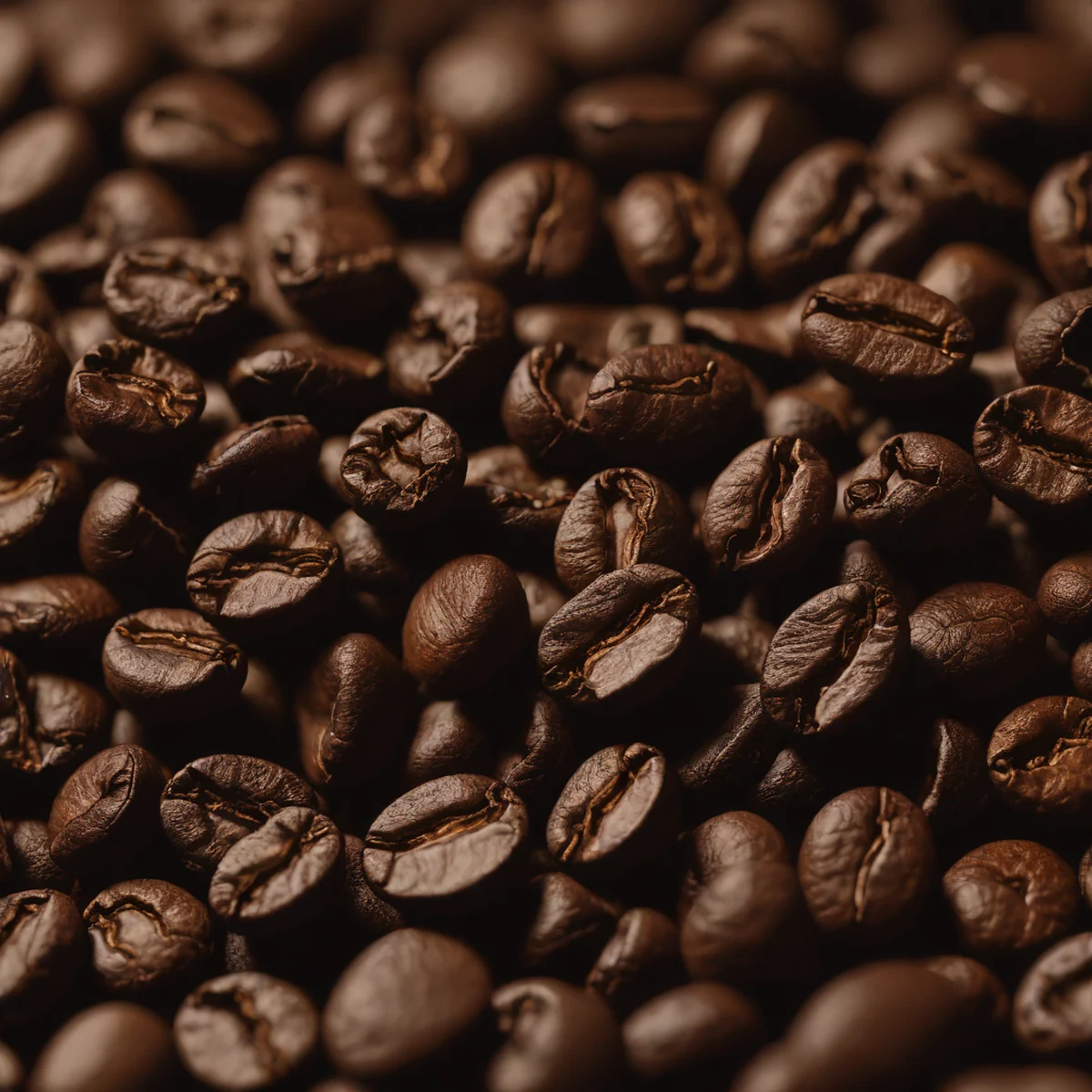
Light roasts have a high acidity and pronounced fruity or floral aromas. They best showcase the unique characteristics of the coffee's origin, making them ideal for those who enjoy exploring different regional variations.
Medium roasts offer a balanced acidity and body, with notes of nuts, chocolate, and caramel. They provide a well-rounded flavor profile that is generally pleasing to most palates.
Dark roasts have a significantly reduced acidity and a full-bodied texture, with dominant smoky and bitter chocolate flavors. They are well-suited for strong coffee or beverages that include milk.
Does caffeine content increase with darker roasts?
Contrary to popular belief, the roasting stage does not significantly alter the caffeine content of coffee beans. This is because caffeine is largely unaffected by the roasting process.
However, there can be variations depending on the measurement method. When measuring by volume (e.g., using a scoop), light roasts, which are denser, may contain slightly more caffeine per volume compared to other stages. However, when measuring by weight, the caffeine content is generally similar regardless of the roasting stage. The statement that "dark roasts are stronger" refers to their bolder flavor, not necessarily a higher caffeine content.
How do I choose the roasting stage that best suits my preferences?
Start by identifying the type of flavor you enjoy. If you prefer a bright, acidic taste with floral aromas, choose a light roast. For a balanced flavor profile, opt for a medium roast. If you enjoy a bold, bitter taste with chocolate notes, choose a dark roast.
Consider the brewing method as well. Light to medium roasts are often preferred for methods that highlight the coffee's origin characteristics, such as pour-over. Medium-dark to dark roasts are more stable and suitable for espresso or milk-based beverages. If you're new to coffee, start with a medium roast and experiment with lighter and darker stages to find your ideal flavor.
What is the relationship between roasting stage and freshness?
Regardless of the roasting stage, coffee beans lose their aroma over time. This is especially true for light roasts, which are more sensitive to freshness.
To ensure the best flavor, purchase coffee beans that have been recently roasted and check the roasting date. Store opened bags of coffee in an airtight container, away from direct sunlight and humidity. For light to medium roasts, which are more aromatic, it's best to buy smaller quantities more frequently.
Frequently Asked Questions
Why do light roasts have a stronger sour taste?
Light roasts are roasted for a shorter time, which leaves more acidic compounds in the beans. This results in a brighter, more pronounced sourness that is often described as fruity or floral.
Why do dark roasts have an oily sheen on the surface?
When roasted for a longer time, the oils inside the coffee beans are drawn to the surface. This creates the dark color and oily sheen that is characteristic of dark roasts, and contributes to their smoky flavor.
Does the taste really change significantly when roasting the same beans at different stages?
Yes, it changes dramatically. Roasting determines the acidity, body, and aroma of coffee. Therefore, even when roasting beans from the same origin at different stages, you'll get completely different coffees: a light roast might have a bright fruity aroma, while a dark roast will have a bold chocolate flavor.
Key Takeaways
- Coffee bean roasting is divided into five stages: light, medium, and dark. The color becomes darker as the stage progresses.
- Acidity decreases and body and bitterness increase with a darker roast.
- Light roasts have fruity and floral aromas, medium roasts offer a balanced flavor with nutty and chocolatey notes, and dark roasts have smoky and bitter flavors.
- Roasting has a minimal impact on caffeine content, with similar levels regardless of the stage when measured by weight.
- Choose a roasting stage based on your preferences and brewing method, and always consider freshness.
References
- Verena Street
- GEVI
- Koffee Kult
Related posts
Popular posts
Five Key Things to Check When Choosing Coffee Beans: Finding the Perfect Bean for Your
Cold Brew vs. Iced Americano: Differences in Taste, Caffeine, and Calories.
Americano vs. Latte: 3 Key Differences Every Coffee Beginner Should Know.
Comments 0