Five Key Things to Check When Choosing Coffee Beans: Finding the Perfect Bean for Your
Among coffee lovers, the question "Why is my coffee different every time?" is a common one. While numerous factors influence the taste of coffee, including bean type, green bean condition, and roasting level, there are some fundamental yet often overlooked elements. This article presents 5 practical criteria to consider when choosing coffee beans, clarifying how bean selection should vary depending on the desired coffee experience.
1. Roasting Level: A Fundamental Guide to Taste and Aroma
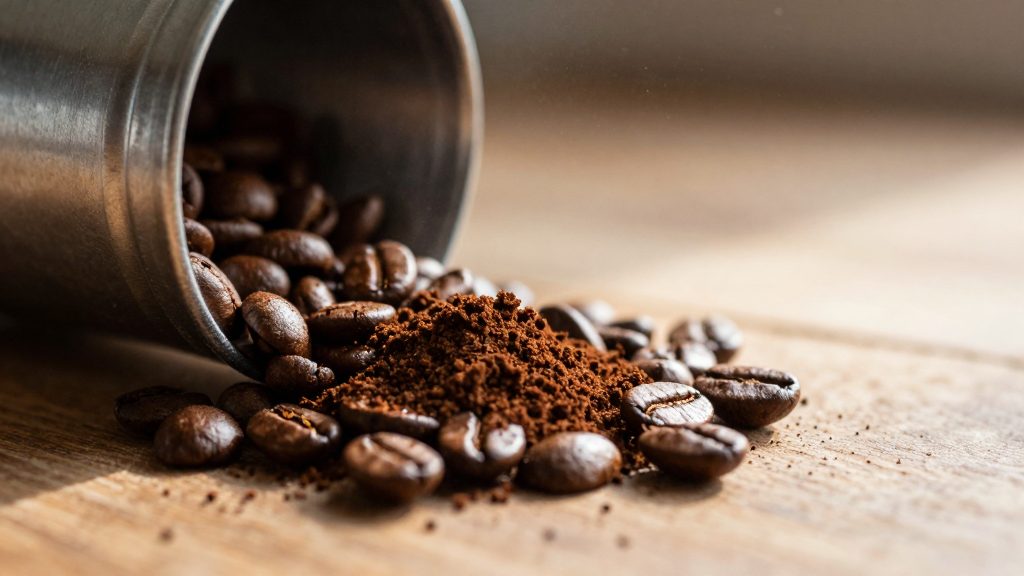
The roasting level is a key factor that significantly impacts the overall profile of the coffee. Lightly roasted beans (suitable for brunch brewing, etc.) are characterized by a bright acidity and refreshing, vibrant aromas. In contrast, darkly roasted beans offer strong notes of dark chocolate or peanuts, with lower acidity and a slightly bitter aftertaste. The choice depends on the intended use – while darkly roasted beans are suitable for simple extractions like Americano, starting with a lighter roast is preferable if you desire a more nuanced flavor profile through hand-drip brewing.
2. Origin: Regional Characteristics as a Foundation for Taste
The taste of coffee beans is inherently influenced by the environment in which they grow. Beans from Latin America typically offer a balanced acidity and sweet aftertaste, while those from Africa are known for their floral aromas and a tangy acidity. Asian beans may exhibit earthy notes or a fuller body. This is not simply about regional comparisons; it highlights how natural conditions like soil composition, altitude, and rainfall determine the flavor. Knowing your preferred aroma profile allows for a more informed choice based on origin recommendations.
3. Time Since Roasting: A Practical Indicator of Freshness
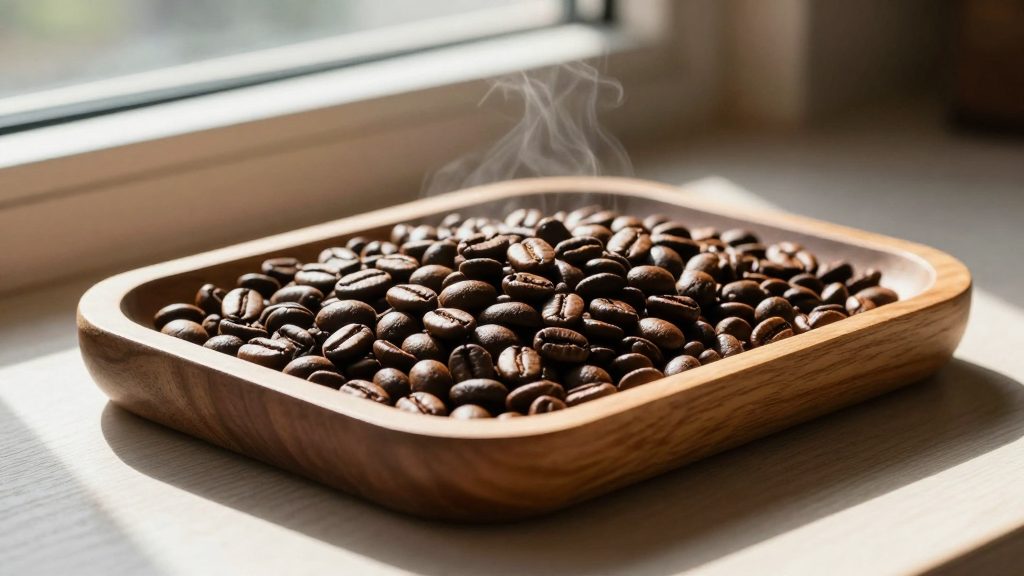
Coffee typically reaches its optimal flavor 3 to 5 days after roasting. Beans roasted recently release a lot of carbon dioxide, which can lead to excessive foam and affect the aroma during extraction. Conversely, beans that are more than two weeks old gradually lose their flavor intensity. Therefore, the ideal extraction window is between 1 and 3 weeks after roasting, when internal chemical reactions stabilize and the aroma reaches its peak. Check the roast date upon purchase and use it as a guide to assess freshness.
4. Bean Condition: Visual Indicators of Quality
The quality of coffee beans can often be assessed visually. Beans with well-removed husks and minimal surface oil are generally fresher. Conversely, beans with excessive oil or dark discoloration may be past their prime. Furthermore, the grind size should be adjusted based on the coffee machine or brewing method. A medium grind is typical for hand-drip, while a very fine grind is used for espresso. Consider the brewing method when purchasing beans.
5. Shelf Life: Practical Storage Conditions are Key
Coffee beans are highly sensitive to air, light, and heat. It is ideal to consume them within 2 to 3 weeks at room temperature, or for longer storage, they can be refrigerated in an airtight container. However, freezing is not recommended as temperature fluctuations can lead to moisture condensation and affect quality. When storing beans, use anti-static capsules or vacuum-sealed containers and avoid direct sunlight. The freshness of coffee beans is ultimately determined by the storage conditions, not just the "shelf life."
6. Matching Beans to Brewing Methods: Extracting True Flavor
The right beans are essential for achieving the best flavor, depending on the brewing method. For example, espresso machines require beans with a very small particle size and high density, suitable for high-pressure extraction, along with a medium to dark roast. In contrast, methods like hand-drip, pour-over, and French press benefit from beans with a balance of acidity and aroma, making a lightly roasted bean with a medium grind ideal. The difference in extraction conditions explains why the same beans can yield different results depending on the method used.
7. Bean Selection Based on Taste: Define Your Preferences
When choosing beans, it's easy to get overwhelmed by the options. The key is to accurately identify your preferred flavor profile. If you prefer acidity, consider lightly roasted beans from Africa or Brazil. If you desire a sweet aftertaste or full body, choose beans from Latin America. Alternatively, if you prefer a balanced and smooth taste rather than bitterness, a medium-roasted blend from various origins might be a good choice. When the taste of coffee in your mug matches your preferences, those beans are "the ones for you."
The taste of coffee is not just a matter of personal preference; it's the result of a harmonious combination of roasting level, origin, freshness, storage conditions, and brewing method. By using these 7 checkpoints as a guide when choosing beans, you can focus on "how to extract the desired flavor" rather than constantly wondering "why my coffee is never good." Ultimately, great coffee starts not with "very expensive beans," but with defining your own criteria and choosing beans accordingly.
Related posts
Americano vs. Latte: 3 Key Differences Every Coffee Beginner Should Know.
Why is the coffee brewing time of 2 minutes so important? (A key factor for optimal
7 Essential Techniques for Latte Art That Even Beginners Can Master in 5 Minutes.
Getting Started with Home Coffee: A Complete Guide, from Choosing Beans to Brewing.
Popular posts
Flavor differences at each stage of coffee bean roasting: Light, Medium, and Dark.
Cold Brew vs. Iced Americano: Differences in Taste, Caffeine, and Calories.
Americano vs. Latte: 3 Key Differences Every Coffee Beginner Should Know.
Comments 0